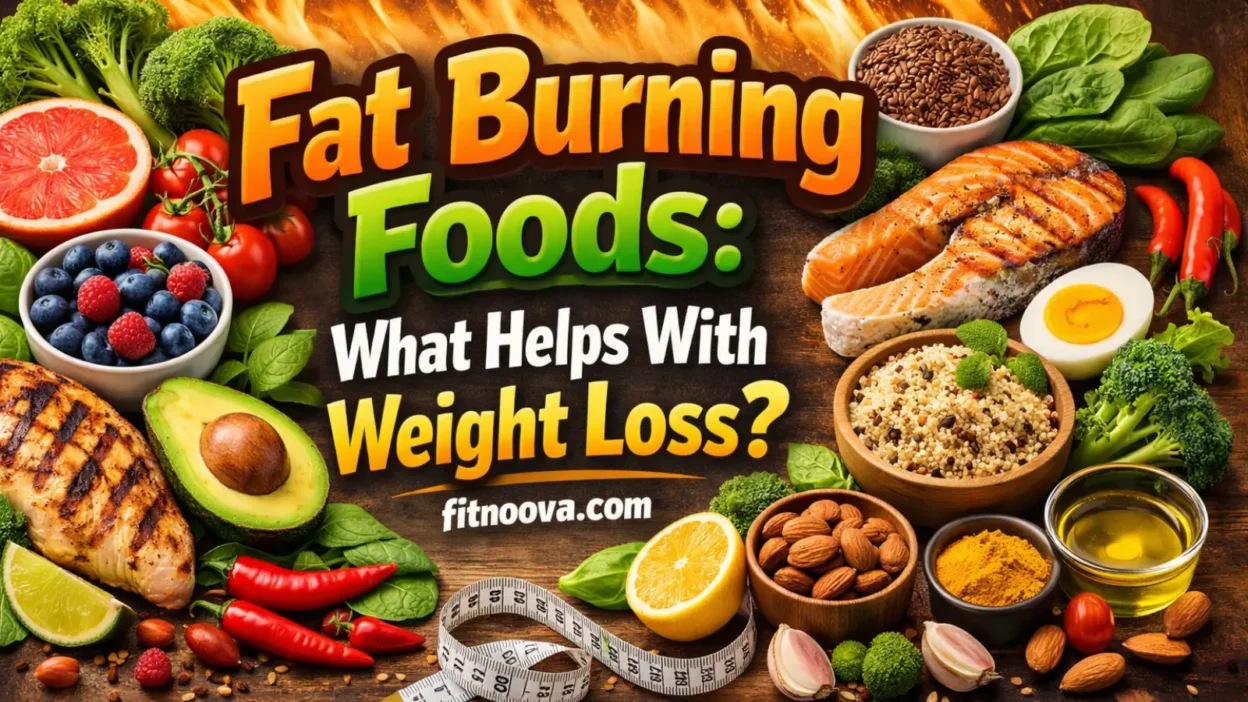
If you’re searching for fat burning foods, the honest answer is simple: no food melts body fat on its own. Weight loss still depends on your overall eating pattern, calorie intake, activity level, sleep, and consistency. But some foods can make fat loss easier because they help you feel full, support a balanced diet, and make it easier to eat well without feeling deprived.
Quick Answer
There is no single food that directly burns body fat. The most helpful foods for weight loss are usually high in protein, fiber, water, or all three, because they can help with fullness and make it easier to manage calories over time. Foods like beans, lentils, Greek yogurt, eggs, vegetables, fruit, oats, potatoes, fish, and nuts can all fit into a weight-loss-friendly eating pattern.
Why “Fat Burning Foods” Is A Misleading Phrase
The phrase sounds appealing, but it oversimplifies how fat loss works. Your body loses fat when, over time, it uses more energy than it takes in. No fruit, spice, tea, or “superfood” overrides that basic principle. Public health guidance still centers on sustainable eating habits, reasonable portions, nutritious foods, and regular physical activity rather than magical foods or quick fixes.
That does not mean food choice is unimportant. It matters a lot. Some foods help you stay satisfied longer, reduce the urge to snack, and make meals more filling for fewer calories. That is where the real value is.
What Makes A Food Helpful For Fat Loss
The best foods for fat loss usually do one or more of these things:
- Provide protein, which helps with fullness and helps preserve lean mass during weight loss.
- Provide fiber, which slows digestion and can help you feel satisfied after meals.
- Have lower energy density, meaning they give you more volume for fewer calories. That often includes vegetables, fruit, broth-based foods, beans, and potatoes.
- Replace foods that are easy to overeat, such as heavily refined snacks, sugary drinks, and frequent ultra-processed convenience foods.
In real life, the goal is not to find one special food. It is to build meals that are filling, balanced, and realistic enough to repeat.
The Best Foods That Can Support Fat Loss
Lean Protein Foods
Protein-rich foods are often the most helpful place to start. They can make meals more satisfying and may help you stay on track when you are trying to lose weight. Good options include:
- Greek yogurt
- Eggs
- Chicken breast
- Turkey
- Fish
- Tofu
- Cottage cheese
- Edamame
- Beans and lentils
You do not need to eat protein at every hour of the day. It is usually enough to make sure each main meal includes a solid protein source.
High-Fiber Foods
Fiber helps add staying power to meals. It is one reason foods like oats, beans, berries, pears, apples, lentils, vegetables, and whole grains tend to work well in weight-loss diets.
Some especially useful picks include:
- Oatmeal
- Lentils
- Black beans
- Chickpeas
- Chia seeds
- Berries
- Pears
- Broccoli
- Brussels sprouts
- Whole-grain bread or brown rice
A high-fiber meal often feels more substantial than a low-fiber meal with the same calories.
Vegetables With High Volume And Lower Calorie Density
Vegetables are not magic, but they are one of the most practical tools for weight loss. They add bulk, texture, and nutrients without packing many calories. That helps you build bigger, more satisfying plates.
Good everyday options include:
- Leafy greens
- Cucumbers
- Zucchini
- Carrots
- Cauliflower
- Cabbage
- Bell peppers
- Mushrooms
- Green beans
- Tomatoes
This is one reason soups, salads, stir-fries, and sheet-pan meals can work so well.
Fruit
Fruit sometimes gets unfairly blamed during weight-loss efforts, but whole fruit can be a smart choice. It contains water, fiber, and nutrients, and it can satisfy a sweet craving in a more filling way than candy or pastries.
Helpful options include:
- Apples
- Oranges
- Grapefruit
- Berries
- Peaches
- Pears
- Melon
Juice is different from whole fruit because it is easier to drink quickly and less filling.
Beans, Lentils, And Other Legumes
Legumes deserve their own section because they bring both protein and fiber. That combination makes them especially useful for people trying to lose weight on a budget, eat more plant foods, or build filling meals without large portions of meat.
They also work in many formats: soups, salads, grain bowls, wraps, pasta dishes, and simple side dishes.
Potatoes And Whole Grains
Some people assume they need to cut all carbs to lose fat. That is not supported by mainstream weight-management guidance. Whole grains and potatoes can absolutely fit into a fat-loss-friendly eating pattern, especially when portions make sense and the meal includes protein and vegetables.
Useful options include:
- Oats
- Brown rice
- Quinoa
- Whole-grain pasta
- Whole-grain bread
- Barley
- Potatoes
- Sweet potatoes
The issue is often not the carb itself. It is how the meal is built around it.
Nuts And Seeds
Nuts and seeds are calorie-dense, so portions matter, but that does not make them “bad” for weight loss. They can add crunch, healthy fats, and staying power to meals and snacks.
Good examples include:
- Almonds
- Pistachios
- Walnuts
- Pumpkin seeds
- Chia seeds
- Flaxseed
A small portion works better than mindlessly eating from a large bag.
Fish And Other Minimally Processed Proteins
Fish, especially when baked, grilled, or air-fried, can be a strong choice for a weight-loss diet because it provides protein without needing much added fat or sugar. More broadly, minimally processed foods prepared at home often make it easier to control calories and build balanced meals.
Foods People Often Call “Fat Burning”
Spicy Foods
Spicy foods may slightly affect how warm you feel or how satisfying a meal seems, but they are not a major driver of fat loss. If you like chili peppers, use them for flavor, not as a strategy you expect to change your results dramatically.
Green Tea And Coffee
Caffeinated drinks are often marketed as metabolism boosters. In reality, the evidence for major fat-loss effects is limited, especially once marketing claims get ahead of the research. Green tea may have a small effect in some settings, but it is not enough to carry a weight-loss plan. Drinking green tea is very different from taking concentrated weight-loss supplements or extracts.
Cinnamon, Apple Cider Vinegar, And Similar Add-Ons
These ingredients get a lot of attention online, but the evidence is either mixed, weak, or not convincing enough to treat them as meaningful fat-loss tools. Cinnamon, in particular, does not have clear support as a weight-loss aid.
If you enjoy these foods, fine. Just do not build your plan around them.
How To Build Meals Around Fat-Loss-Friendly Foods
A practical plate is usually more useful than a list of “good” foods. For many people, a simple structure works well:
- Start with a protein source
- Add vegetables or fruit
- Include a high-fiber carb if wanted
- Add a small amount of healthy fat
- Keep portions realistic for your needs
Here are a few examples:
Breakfast Ideas
- Greek yogurt with berries, chia seeds, and a small handful of nuts
- Oatmeal with banana, cinnamon, and peanut butter
- Eggs with sautéed vegetables and whole-grain toast
Lunch Ideas
- Chicken salad with beans, crunchy vegetables, and olive oil vinaigrette
- Lentil soup with fruit on the side
- Turkey and veggie wrap with Greek yogurt
Dinner Ideas
- Salmon, roasted potatoes, and broccoli
- Tofu stir-fry with vegetables and brown rice
- Ground turkey chili with beans and a side salad
Snack Ideas
- Cottage cheese and fruit
- Apple with peanut butter
- Edamame
- Carrots with hummus
- Plain Greek yogurt
What Matters More Than Specific Foods
The most effective weight-loss diets are usually the ones people can actually maintain. That means the bigger wins often come from habits like:
- Eating more meals built from minimally processed foods
- Including protein and fiber regularly
- Cutting back on sugary drinks
- Watching portions of high-calorie foods
- Planning meals before you get overly hungry
- Keeping favorite foods in reasonable amounts instead of trying to ban them completely
This is less exciting than a list of miracle foods, but it is much more useful.
Common Mistakes To Avoid
Expecting One Food To Do The Work
No single food can undo a pattern of overeating, low activity, poor sleep, or inconsistent habits.
Cutting Out Entire Food Groups Without A Good Reason
You do not need to eliminate carbs or fruit to lose weight. Extreme rules can make eating harder to sustain and may backfire later.
Ignoring Portions Of Healthy Foods
Avocados, nuts, nut butter, granola, smoothies, and olive oil can all fit into a healthy diet, but they are still easy to overdo.
Leaning On Supplements Instead Of Food
Weight-loss supplements often have limited evidence, and some may cause side effects or interact with medications. Food-first habits are the more reliable path.
Skipping Meals And Rebounding Later
For some people, skipping meals leads to intense hunger and overeating at night. A steadier pattern is often easier to manage.
When To Be More Careful
General nutrition advice is not the same as personal medical care. Check with a qualified healthcare professional before making major changes if you are pregnant, have diabetes, take medications that affect blood sugar or appetite, have kidney disease, have a history of disordered eating, or are dealing with unexplained weight change. Safe weight loss should still support your overall health.
FAQ
Do fat burning foods really exist?
Not in the way the phrase is usually used. No food directly targets body fat on its own, but some foods can support weight loss by helping you feel full and manage calories more easily.
What are the best foods to eat for belly fat?
There is no special food that targets belly fat specifically. A balanced eating pattern built around protein, fiber-rich foods, vegetables, fruit, and reasonable portions is more useful than chasing one “belly fat” food.
Is fruit bad for fat loss because it has sugar?
Whole fruit can fit well into a fat-loss plan. It is generally more filling and nutritious than many processed sweets, especially because it also provides fiber and water.
Are eggs good for weight loss?
Eggs can be a helpful weight-loss food because they provide protein and work well in filling meals. What matters most is the overall meal and your overall diet, not whether one food is labeled good or bad.
Should I drink green tea to burn fat?
You can drink green tea if you enjoy it, but it should not be treated as a primary fat-loss tool. Any effect appears modest at best, and supplements are a different issue from normal brewed tea.
What is the simplest way to eat for fat loss?
Build most meals around protein, vegetables or fruit, and high-fiber foods. Keep portions realistic, drink fewer liquid calories, and choose an eating pattern you can repeat consistently.
Conclusion
The best approach to fat burning foods is to stop looking for magic and start looking for foods that make healthy eating easier. Protein-rich foods, high-fiber foods, fruit, vegetables, legumes, whole grains, and other minimally processed staples can support fat loss because they help with fullness, meal quality, and consistency. That may sound less flashy than a miracle-food claim, but it is the approach most likely to work in real life.