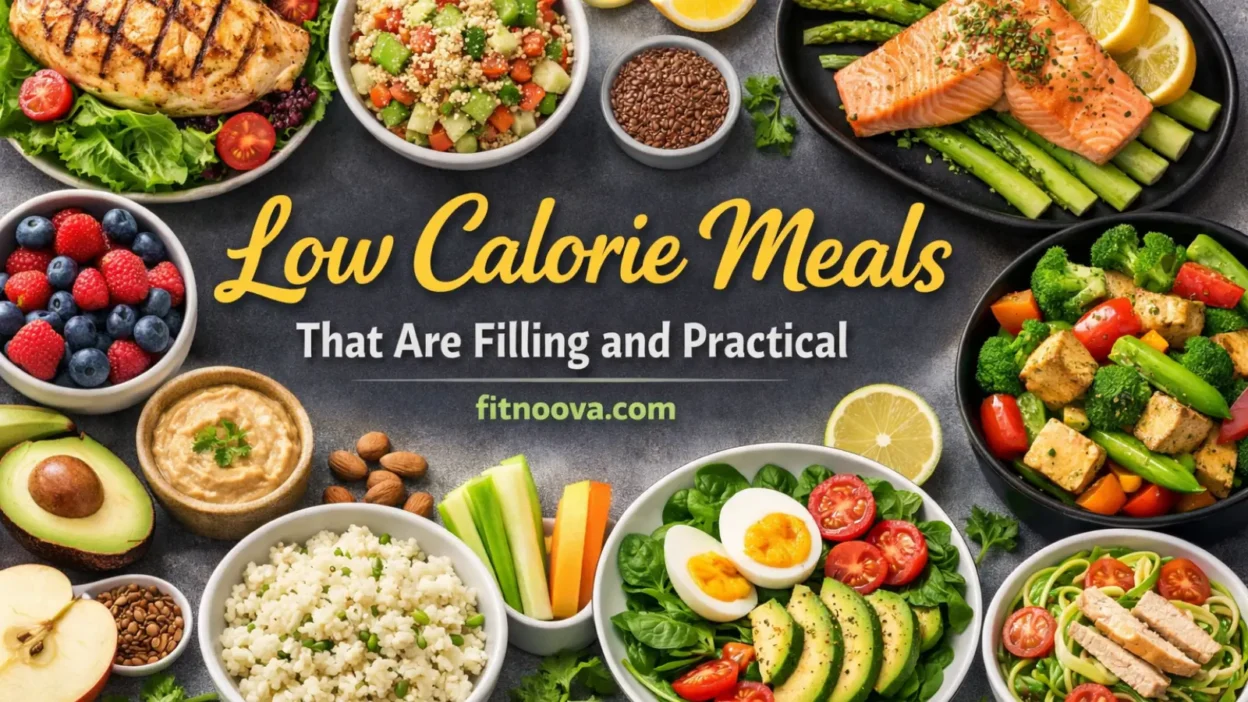
Low calorie meals can help with weight management, but the best ones do more than simply cut numbers. They make room for vegetables, fruit, lean protein, beans, whole grains, and other nutrient-dense foods so you can eat satisfying meals without pushing calories too high. Public health guidance consistently supports this kind of pattern over extreme restriction or quick-fix dieting.
Quick Answer
A good low calorie meal is one that keeps calories reasonable and helps you stay full. In practice, that usually means building meals around high-fiber foods like vegetables, fruit, beans, and whole grains, plus a solid protein source and sensible portions of fats or sauces. Slow, steady weight loss tends to work better long term than aggressive cutting, and your exact calorie target should fit your body, activity level, and health needs.
What Counts As a Low Calorie Meal?
There is no single calorie number that fits everyone. A meal that feels low calorie for one person may be too small, or not small enough, for someone else. Daily calorie needs vary, which is why federal guidance focuses on staying within your own calorie needs and building meals from core food groups rather than chasing one magic number.
For many adults, a practical low calorie meal is one that gives you enough food volume and enough protein or fiber to hold you until the next meal without leaving you drained. That usually works better than trying to survive on tiny portions of foods that do not satisfy you. CDC guidance specifically notes that low-fat and fiber-rich foods can help you cut calories without feeling as hungry.
What Makes Low Calorie Meals More Filling?
The meals that tend to work best usually have four parts:
1. Plenty of Vegetables or Fruit
Produce adds volume, fiber, and nutrients for relatively few calories. That means your plate looks full and feels like a real meal instead of a snack pretending to be lunch. MyPlate and CDC guidance both emphasize fruits and vegetables as a core part of healthy eating patterns.
2. A Protein Source
Protein helps meals feel more complete. It can come from chicken, fish, eggs, Greek yogurt, tofu, beans, lentils, cottage cheese, or other protein foods recommended in healthy eating patterns.
3. Fiber-Rich Carbohydrates
Whole grains, beans, lentils, potatoes, fruit, and vegetables often make low calorie meals easier to stick with because fiber helps people feel fuller longer. CDC and NIDDK both highlight fiber-rich foods and whole grains for fullness and healthy eating.
4. Portions That Match the Goal
Even healthy foods can push calories up fast when portions drift. NIDDK recommends learning the difference between portion size and serving size, checking labels, and paying attention to how much you are actually eating.
A Simple Formula for Building Low Calorie Meals
One of the easiest ways to build a balanced meal is to think in plate sections instead of diet rules.
Start with:
- Half the plate from vegetables or fruit
- One quarter from protein
- One quarter from a higher-fiber carbohydrate or starch
- A modest amount of fat from dressing, avocado, nuts, seeds, cheese, or oil
That approach lines up well with MyPlate and other healthy eating guidance that emphasizes fruits, vegetables, protein foods, grains, and low-fat dairy or fortified alternatives.
This is also easier to live with than cutting entire food groups. NIDDK notes that you do not have to give up all your favorite foods to lose weight; the bigger issue is keeping total calories in a workable range.
Easy Low Calorie Meal Ideas
These are not meant to be rigid prescriptions. They are flexible templates you can adjust based on your appetite, schedule, and preferences.
Low Calorie Breakfast Ideas
Greek Yogurt Bowl With Fruit
Use plain Greek yogurt, berries, and a small spoonful of nuts or seeds. Add high-fiber cereal or oats if you want more staying power.
Veggie Egg Scramble
Cook eggs or egg whites with spinach, mushrooms, onions, and tomatoes. Pair with fruit or one slice of whole grain toast.
Oatmeal With Protein
Make oats with milk or fortified soy milk, then add chia seeds, berries, and a side of yogurt or cottage cheese.
These options work because they combine protein with fiber instead of relying on a pastry or sugary cereal that may leave you hungry again quickly.
Low Calorie Lunch Ideas
Big Salad With Protein
Use greens, crunchy vegetables, beans or grilled chicken, and a measured amount of dressing. Add a whole grain like quinoa or a small roll if needed.
Turkey or Hummus Wrap
Use a whole grain wrap, lots of vegetables, lean turkey or hummus, and fruit on the side.
Soup and Side Plate
Choose a broth-based or lower-sodium soup and pair it with fruit, yogurt, or a half sandwich. Adding vegetables can increase volume without adding many calories.
Low Calorie Dinner Ideas
Chicken, Rice, and Roasted Vegetables
Keep the vegetables generous, the protein moderate, and the rice portion realistic rather than oversized.
Salmon With Potatoes and Green Beans
A balanced dinner does not need to be ultra-low carb to be lower calorie. A reasonable portion of potatoes can fit well when the rest of the plate is balanced.
Stir-Fry With Tofu or Shrimp
Use frozen vegetables, a lean protein, and a measured amount of oil and sauce. Serve over brown rice or cauliflower rice depending on hunger and preference.
Taco Bowl
Build it with lettuce, salsa, beans, lean ground turkey or tofu, fajita vegetables, and a smaller scoop of rice or tortilla chips.
A meal like this tends to be easier to sustain because it still looks and tastes like dinner, not like punishment. That matters for long-term adherence.
How to Lower Calories Without Making Meals Miserable
A lower calorie meal should still feel like food you want to eat. These shifts are often more useful than drastic rules:
Add Volume Before You Remove Food
Bulk up meals with vegetables, fruit, beans, or broth-based soups. CDC specifically recommends lower-fat, fiber-rich ingredients to reduce calories while helping you feel full.
Measure the Foods That Add Up Fast
Oils, creamy dressings, cheese, nut butter, sugary drinks, and restaurant sauces can push calories up quickly. Portion awareness matters.
Keep Protein in the Meal
A low calorie meal that skips protein entirely often backfires because hunger returns too soon. Healthy eating guidance includes a variety of protein foods as part of a balanced pattern.
Use “Lighten It Up” Swaps Selectively
You do not need to replace everything. Sometimes changing one ingredient does enough, like using less cheese in pasta, a lighter cooking method, or more vegetables in a mixed dish. CDC’s calorie-cutting guidance uses exactly this kind of swap-based approach.
Common Mistakes to Avoid
Making Meals Too Small
Tiny meals can leave you hungry, distracted, and more likely to overeat later. A better strategy is reducing calories while keeping volume and balance.
Cutting Out Entire Food Groups
You do not need to remove all carbs or all fats to build effective low calorie meals. Balanced eating patterns that include fruits, vegetables, grains, protein foods, and low-fat dairy or fortified alternatives are easier to maintain and better supported by public health guidance.
Ignoring Portion Size
A meal can look healthy and still be much higher in calories than expected. Nutrition labels and realistic serving awareness matter, especially for packaged foods and restaurant meals.
Drinking Calories Without Noticing
Sugary coffee drinks, soda, juice, alcohol, and oversized smoothies can quietly erase the calorie savings from your meals. Keeping beverages simple can help.
Chasing Fast Results
CDC notes that people who lose weight gradually, about 1 to 2 pounds per week, are more likely to keep it off than people who lose weight faster. That makes a realistic eating pattern far more useful than a short-lived crash plan.
Who Should Be More Careful With Low Calorie Dieting?
General meal-planning advice is one thing. Aggressively cutting calories is another. If you are pregnant, recovering from illness, managing diabetes, taking medication that affects appetite or weight, have a history of disordered eating, or have been told to follow a specific medical diet, it is smart to get personalized guidance before making major changes. Weight is also influenced by factors beyond food alone, including medical conditions, hormones, stress, sleep, age, and medications.
FAQ
Are low calorie meals good for weight loss?
They can be, if they help create a calorie deficit you can maintain without feeling deprived. Public health guidance supports slow, steady weight loss and balanced eating patterns rather than aggressive restriction.
How many calories should a low calorie meal have?
There is no universal number. A useful target depends on your total daily needs, activity level, and how the rest of your day looks. The better question is whether the meal fits your overall intake and still gives you enough protein, fiber, and volume.
Can low calorie meals still include carbs?
Yes. Whole grains, beans, fruit, and starchy vegetables can all fit into low calorie meals. They often improve fullness and meal quality when portions are appropriate.
What is the easiest way to make meals lower in calories?
Start by adding vegetables or fruit, choosing a lean or higher-protein base, and measuring calorie-dense extras like oil, dressing, cheese, and sauces. Those changes often help more than trying to cut every carb or skip meals.
Are frozen meals okay if I want lower calorie options?
They can be. Check the label for serving size, calories, protein, sodium, and whether the meal needs extra vegetables or fruit on the side to make it more satisfying. Portion-label awareness is one of the most practical habits for weight management.
Conclusion
Low calorie meals work best when they are built to satisfy you, not just to shrink numbers on paper. A practical approach is to center meals around vegetables or fruit, include a solid protein source, add fiber-rich carbs, and keep calorie-dense extras in check. That creates meals that are easier to repeat, easier to enjoy, and more likely to support healthy, sustainable weight management over time.