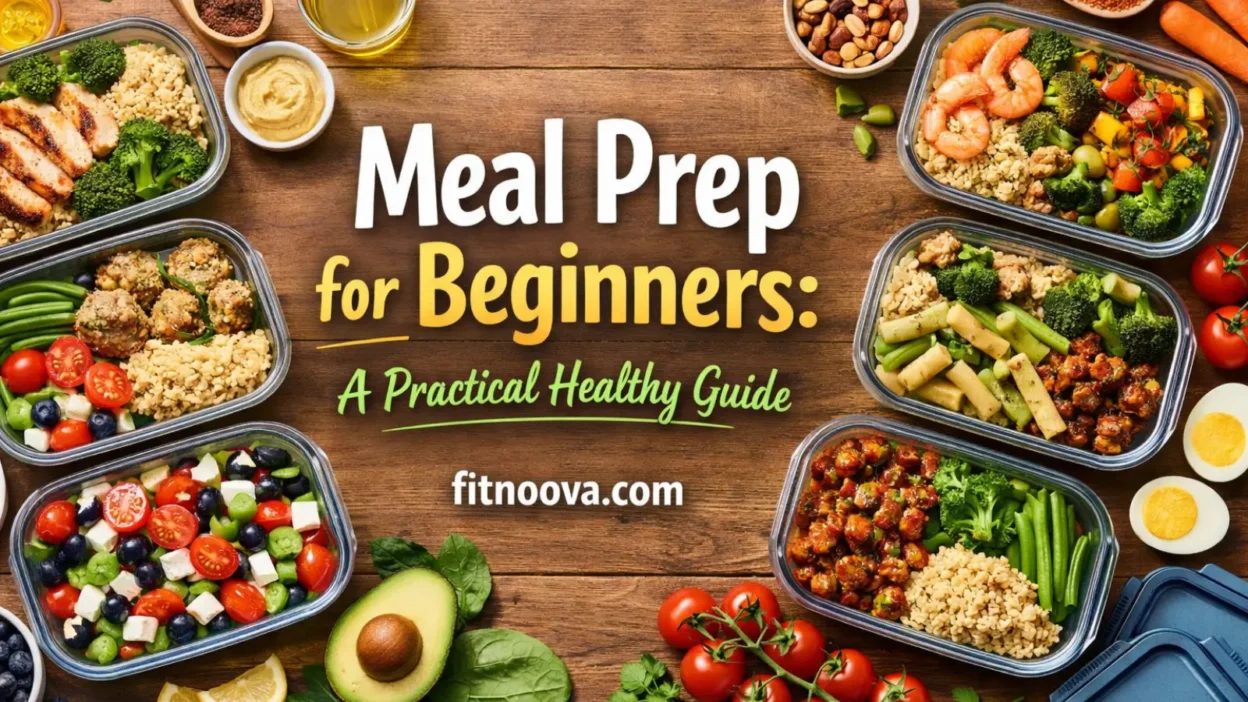
Meal prep means planning, preparing, and portioning some or all of your meals ahead of time so eating well feels easier during a busy week. For most people, the best version of meal prep is not a full day of cooking elaborate recipes. It is a simple system that helps you keep balanced meals, save time, reduce last-minute takeout, and make weekday eating more manageable.
Quick Answer
Meal prep is the habit of getting food ready before you need it, whether that means washing produce, cooking protein, packing lunches, or building full meals for several days. A solid meal prep routine usually works best when meals are balanced, realistic to repeat, and stored safely in the fridge or freezer.
What Meal Prep Actually Means
Meal prep is broader than many people think. It can look like:
- chopping vegetables for the next few days
- cooking a batch of rice or potatoes
- roasting chicken, tofu, or beans for multiple meals
- packing grab-and-go breakfasts
- portioning lunches for work
- freezing a few dinners for later in the week
That flexibility is why meal prep works for so many different schedules. You do not need a color-coded spreadsheet or twelve matching containers to do it well. You need a repeatable routine that makes your next meal easier. Harvard’s meal prep guidance leans into this practical approach by focusing on planning meals, collecting recipes, and building a simple system you can keep using.
Why Meal Prep Helps
A good meal prep routine can help in very ordinary, useful ways.
First, it reduces decision fatigue. When meals are at least partly planned, you do less scrambling at the end of the day. Second, it makes balanced eating easier because you are more likely to have vegetables, whole grains, fruit, and protein ready when you need them. Third, it can help with consistency, which matters more than perfection for long-term health habits. Public health guidance also supports planning meals ahead as a practical way to support healthier eating patterns.
Meal prep can also help reduce food waste. When you know what you plan to cook and eat, random groceries are less likely to get forgotten in the back of the fridge.
What Makes a Meal Prep Plan Balanced
There is no single perfect meal prep formula, but a balanced plate is a strong place to start. Harvard’s Healthy Eating Plate suggests building meals mostly around vegetables, plus healthy protein, quality carbohydrates such as whole grains or starchy vegetables, and healthy fats.
A simple way to think about it:
- Fill about half the meal with vegetables and fruit, with vegetables doing most of the work.
- Add a satisfying protein source such as beans, lentils, eggs, yogurt, fish, chicken, tofu, or another option that fits your needs.
- Include a carbohydrate source that gives the meal staying power, such as brown rice, oats, potatoes, quinoa, or whole grain pasta.
- Add healthy fats in practical amounts, such as nuts, seeds, olive oil, avocado, or nut butter.
This structure is useful because it works across many eating styles. It also helps prevent a common mistake: prepping meals that are technically healthy but not filling enough to keep you satisfied.
The Best Meal Prep Style for Beginners
Beginners usually do better with a light-prep model than an all-day cooking marathon.
The easiest entry points are:
Ingredient Prep
This means preparing building blocks instead of complete meals. You might wash greens, chop vegetables, cook one protein, and make one carb base. That gives you flexibility during the week.
Partial Meal Prep
This means fully prepping one or two daily meals, not every meal. Many people start with lunch because it is predictable and easy to pack.
Batch Cooking
This means making a larger portion of one recipe, such as chili, soup, grain bowls, or baked pasta, and eating it over a few days or freezing part of it.
For most beginners, partial meal prep is the sweet spot. It is easier to maintain, less expensive to start, and less likely to leave you bored by Wednesday.
How To Start Meal Prep Without Overcomplicating It
A simple meal prep routine usually follows the same sequence each week.
1. Look At Your Actual Schedule
Start with reality, not ambition. Count how many breakfasts, lunches, dinners, and snacks you genuinely need covered. If you will eat out twice and have one family dinner planned, do not prep seven full dinners.
This step matters because over-prepping is one of the fastest ways to waste food and lose momentum.
2. Choose a Small Number of Repeating Meals
Pick two or three main meals for the week, not ten. Repetition is not boring when life is busy. It is efficient.
A beginner-friendly example:
- one breakfast
- one lunch
- two dinners
- one or two snack options
That is enough structure to make the week easier without turning the kitchen into a production line.
3. Build a Grocery List Around Meal Components
A practical shopping list usually includes:
- vegetables
- fruit
- protein foods
- grains or other starches
- healthy fats
- a few flavor boosters such as sauces, herbs, spices, lemon, salsa, or yogurt-based dressings
The point is not to buy “clean eating” foods. The point is to buy foods you will actually prepare and eat.
4. Prep the Highest-Value Items First
Not everything needs advance prep. Focus on the foods that save the most time later:
- wash and dry produce
- cook proteins
- make a grain base
- portion snacks
- prep sauces or dressings
- assemble one or two grab-and-go meals
5. Store Food Safely
This part matters. Leftovers and prepared foods should usually go into the fridge within two hours, or within one hour if the temperature is above 90°F. Refrigerators should stay at 40°F or lower, and shallow containers help foods cool faster. The Academy of Nutrition and Dietetics also notes that many cooked leftovers are best used within three to four days.
A Simple Meal Prep Formula That Works
If you are not sure what to prep, use this basic formula:
Protein + Produce + Smart Carb + Flavor
Examples:
- grilled chicken, roasted broccoli, brown rice, tahini sauce
- black beans, fajita vegetables, quinoa, salsa
- Greek yogurt, berries, oats, chia seeds
- eggs, roasted potatoes, sautéed spinach, avocado
- baked salmon, green beans, sweet potato, lemon yogurt sauce
This formula keeps meals easy to assemble and easy to repeat. It also helps you avoid prepping random healthy foods that do not come together into satisfying meals.
Easy Meal Prep Ideas for a Busy Week
You do not need complex recipes to meal prep well. Straightforward combinations usually hold up better in the fridge and take less energy to maintain.
Breakfast Ideas
- overnight oats with fruit and nuts
- Greek yogurt bowls with berries and seeds
- egg muffins with vegetables
- cottage cheese with fruit and whole grain toast
- breakfast burritos for the freezer
Lunch Ideas
- grain bowls with chicken, tofu, or beans
- turkey or hummus wraps with cut vegetables
- pasta salad with vegetables and protein
- soup with a side of fruit and yogurt
- chopped salad kits upgraded with beans, eggs, or grilled chicken
Dinner Ideas
- sheet pan chicken and vegetables
- chili with beans and rice
- stir-fry with frozen vegetables and tofu
- taco bowls with ground turkey or lentils
- baked potatoes topped with Greek yogurt, beans, and steamed broccoli
Snack Ideas
- fruit and nuts
- yogurt and granola
- hummus and vegetables
- cheese and whole grain crackers
- apple slices with peanut butter
These work well because they are familiar, easy to portion, and realistic for weekdays.
How Much To Prep at One Time
A common beginner mistake is trying to prep every meal for seven days at once. That sounds organized, but it often creates food fatigue and storage problems.
A better approach is to prep two to four days at a time. Many people do a larger prep on Sunday and a smaller refresh midweek. That keeps produce fresher and gives you room to change plans.
If you want more flexibility, freeze a portion of soups, stews, burritos, or cooked grains instead of forcing yourself to finish everything by a deadline.
How To Meal Prep for Healthy Weight Management
Meal prep can support healthy weight management, but it is not a magic trick. What helps most is making regular meals easier to follow and reducing the odds of skipping meals, overeating late in the day, or relying on ultra-processed convenience foods every time you are tired. CDC guidance also emphasizes practical habits such as planning meals ahead, keeping fruits and vegetables on hand, and building sustainable eating habits instead of chasing quick fixes.
If weight loss is part of your goal, keep the prep strategy grounded:
- prioritize meals with protein, fiber, and enough volume to feel satisfying
- use portions that match your hunger and activity level
- avoid turning meal prep into aggressive restriction
- leave room for flexibility, social meals, and foods you enjoy
A meal prep plan that feels too strict usually does not last long.
Food Safety Basics Every Meal Prep Routine Needs
Healthy meal prep is not only about ingredients. It is also about safe storage and handling.
Key basics include:
- wash hands and clean surfaces before and during prep
- keep raw meat, poultry, seafood, and eggs separate from ready-to-eat foods
- refrigerate perishable foods promptly
- use shallow containers to cool foods faster
- keep the refrigerator at 40°F or lower
- avoid leaving prepared foods in the temperature danger zone of 40°F to 140°F for too long
Prepared produce also needs attention. Cut fruits and vegetables should be refrigerated within two hours, and cooked vegetables generally should not sit around for several days without a plan to use them.
If a meal smells off, looks questionable, or has been sitting out too long, it is better to let it go than try to save it.
A Realistic Beginner Meal Prep Routine
Here is a simple weekly example for someone with a busy schedule.
Saturday Or Sunday
- choose three lunches, three dinners, and two breakfast options
- write a grocery list
- shop with those meals in mind
Prep Day
- cook one protein, such as chicken, tofu, turkey, or beans
- cook one grain or starch, such as rice, quinoa, or potatoes
- prep vegetables, both raw and cooked
- make one sauce or dressing
- pack two or three meals
- portion a few snacks
Midweek Reset
- wash more produce
- cook one fresh dinner
- refill snacks
- freeze anything you will not finish in time
This kind of structure is usually easier to sustain than spending five hours making identical meals for the entire week.
Common Meal Prep Mistakes To Avoid
Making Meals Too Restrictive
Meals that look healthy but leave you hungry are not practical. Include enough protein, fiber, and overall food volume to feel satisfied.
Prepping Too Much Food
More is not always better. Prep for your real schedule, not your ideal one.
Choosing Meals You Do Not Actually Enjoy
A technically healthy meal you dread eating will not help much. Taste matters. Familiar foods are often the better choice.
Forgetting Texture and Variety
Some foods hold up well. Others do not. Crisp vegetables, sauces, crunchy toppings, and fresh add-ons can make a big difference.
Ignoring Food Safety
Leaving meals out too long, packing hot food into deep containers without cooling it properly, or stretching leftovers too far can undo the benefits of being organized.
Trying To Be Perfect Right Away
Meal prep works best when it becomes ordinary. Start small. Improve the system as you go.
Practical Tips That Make Meal Prep Easier
Use one shopping list format every week so planning feels faster.
Repeat a few dependable meals instead of chasing constant novelty.
Keep a short list of pantry and freezer staples, such as canned beans, tuna, frozen vegetables, oats, rice, whole grain pasta, and broth.
Prep ingredients that work in more than one meal. Roasted vegetables can show up in bowls, wraps, salads, or eggs.
Store sauces separately when possible. That keeps meals from turning soggy.
Label containers if you prep several meals at once. It sounds simple because it is, and it helps.
Do not assume “healthy” means expensive. Basic ingredients prepared consistently often beat fancy specialty foods.
FAQ
How long does meal prep last in the fridge?
Many prepared foods and leftovers are best used within three to four days, though it depends on the ingredient and how it was stored. Refrigerate foods promptly, use airtight containers, and when in doubt, do not push it.
Is meal prep good for weight loss?
It can help, especially by making regular, balanced meals easier to follow during a busy week. But meal prep itself does not cause weight loss. What matters is the overall pattern of eating, portioning, consistency, and sustainability.
What foods are best for beginner meal prep?
Foods that are easy to cook, store well, and reheat well are usually best. Examples include rice, potatoes, oats, beans, eggs, yogurt, chicken, tofu, soups, chopped vegetables, and fruit.
How often should I meal prep each week?
One larger prep session plus a smaller midweek reset works well for many people. Prepping every three to four days often keeps food fresher and gives you more flexibility.
Do I need to prep every meal?
No. In fact, many beginners do better when they prep only one or two meals a day. Lunches, breakfasts, and snacks are often the easiest starting point.
What is the difference between meal prep and meal planning?
Meal planning is deciding what you will eat. Meal prep is doing some of the work ahead of time so those meals are easier to make or grab later.
Conclusion
Meal prep does not need to be rigid, expensive, or all-consuming to be useful. At its best, meal prep is simply a practical way to make balanced eating easier during a busy week. Start with a few meals, keep the system simple, build around foods you genuinely like, and pay attention to safe storage. That is usually enough to make meal prep helpful, sustainable, and worth repeating.