Last Updated: MAY 19, 2026
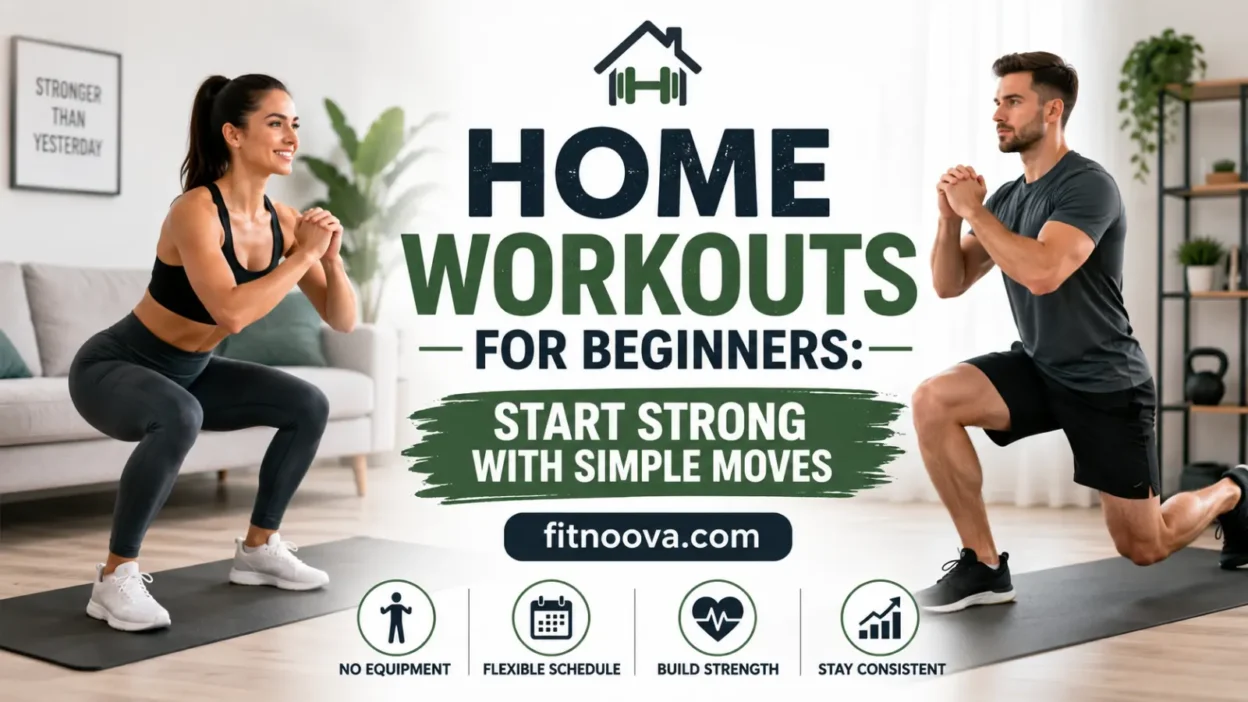
Home Workouts For Beginners should make exercise simple, safe, and easy to repeat without special gear. The best starting point is a short routine built around bodyweight exercises, light warm-ups, and steady pacing. Start with moves you can control, such as squats, wall push-ups, glute bridges, and gentle core work. Keep each session brief, focus on clean form, and rest when your breathing or posture starts to slip. This approach helps you build confidence, learn basic movement patterns, and create a fitness routine that feels realistic instead of overwhelming. Track how each move feels, choose a calm space, and leave a little energy in reserve so you can return the next day.
Quick Answer
Home Workouts For Beginners work best when they focus on simple, repeatable moves done with control. Start with 15 to 20 minutes, three days a week, using squats, push-up variations, bridges, and core drills. Keep the pace steady, rest as needed, and add time or reps only after your form feels stable.
Why Home Workouts Are A Strong Starting Point
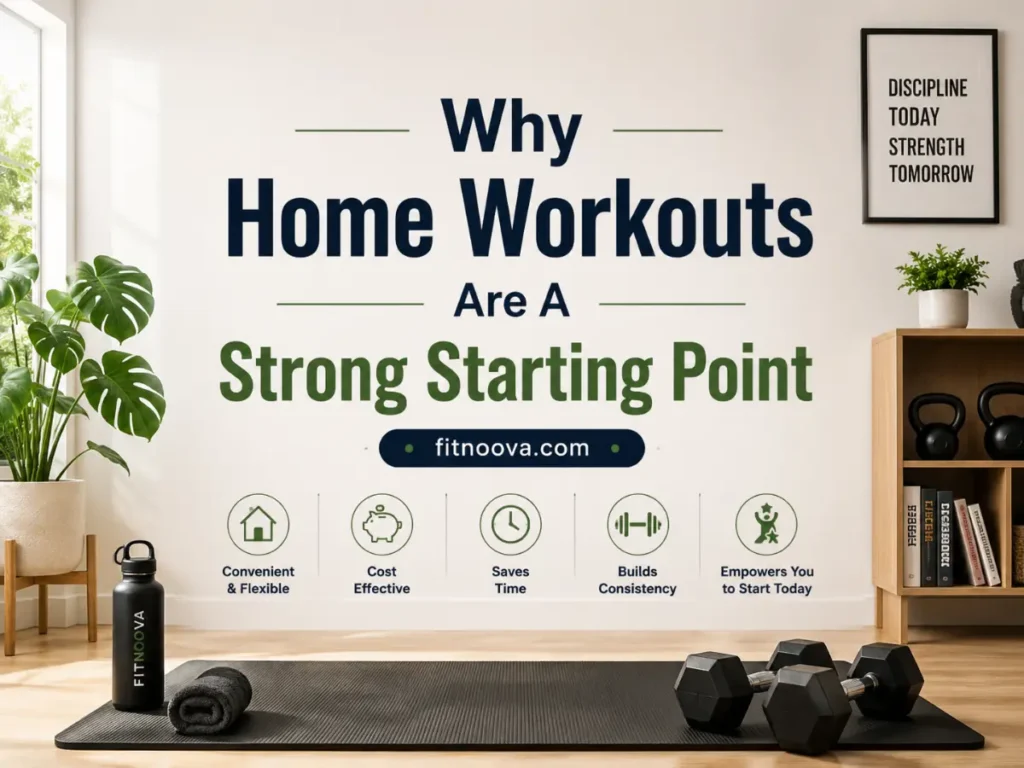
Home workouts remove many of the barriers that stop beginners from being consistent. You do not have to commute, wait for equipment, or feel like you need to know what everyone else is doing. That matters because regular physical activity supports health in many ways, including sleep, mood, and long-term physical function, and consistency matters more than perfection at the start.
Home training is especially useful if you:
- want privacy
- have a busy schedule
- prefer shorter sessions
- are not ready for a gym
- want to build confidence first
What A Beginner Home Workout Should Actually Do
A beginner plan should not try to destroy you. It should help you learn the basics, train all major muscle groups, improve stamina, and give you a structure you can follow next week too. Federal guidance recommends muscle-strengthening work for all major muscle groups on 2 or more days each week, which is one reason full-body training is such a strong starting point.
A good beginner plan should:
- train your whole body
- feel challenging but manageable
- use movements you can perform with control
- leave room for recovery
- be easy to repeat consistently
How Often Should Beginners Work Out At Home?
For most beginners, 3 training days per week is a strong default. It gives you enough practice to improve without making recovery too hard. If 3 days feels like too much, start with 2. If you recover well and enjoy it, build toward 4. The goal is not to max out effort. The goal is to build a routine you can keep.
A simple weekly target can look like this:
- 2 to 4 strength-focused home workouts
- 2 to 5 light cardio sessions, such as walking
- 1 to 2 lower-effort or full rest days
That structure fits well with current U.S. guidance, which recommends aerobic activity across the week and muscle-strengthening work on at least 2 days.
How Long Should A Beginner Home Workout Be?
A beginner home workout does not need to be long to be effective. In many cases, 20 to 40 minutes is enough. The CDC also notes that activity can be split into smaller chunks across the day, so shorter sessions still count toward your week.
If you have more time, do not automatically make the workout harder. First make it better:
- improve your form
- add one more round
- control the lowering phase
- shorten rest slightly
- add a little resistance
What Equipment Do You Need?
You can start with bodyweight only. That is enough to learn basic movement patterns and build early consistency.
Still, a few low-cost tools make progression easier:
- one light or medium resistance band
- one pair of dumbbells
- a yoga mat
- a sturdy chair or bench
- a backpack you can load with books
No equipment is not a disadvantage at the beginning. It is often the easiest way to start.
The Best Home Exercises For Beginners
The best beginner exercises train movement patterns, not random isolated muscles. That makes your workouts easier to understand and easier to progress.
Lower-Body Squat Moves
- chair squats
- bodyweight squats
- box squats
- split squats
Hip Hinge Moves
- glute bridges
- hip hinges
- Romanian deadlifts with dumbbells or a backpack
- good mornings with very light resistance
Upper-Body Push Moves
- wall push-ups
- incline push-ups
- knee push-ups
- dumbbell floor press
Upper-Body Pull Moves
- resistance band rows
- one-arm backpack rows
- dumbbell rows
Core Stability Moves
- dead bugs
- bird dogs
- front planks
- side planks
Low-Impact Cardio Moves
- marching in place
- step-ups
- light dance cardio
- brisk walking
- cycling if you have a bike
These movements cover the basics well because they train major muscle groups and build control before you worry about advanced intensity.
How Hard Should Beginner Workouts Feel?
Your workout should feel like work, but it should not feel chaotic. A good beginner session usually ends with you feeling challenged, warm, and a little tired, not wrecked.
Use this simple rule:
- if every set feels very easy, progress a little
- if your form falls apart, reduce difficulty
- if soreness keeps ruining your week, do less
For cardio, moderate intensity is a useful target. The CDC describes moderate intensity as effort where you can talk, but not sing.
How To Set Up Your Home Workout Space
You do not need a dedicated gym room. You need a small, safe area where you can move without hitting furniture or slipping.
Before you start:
- clear enough floor space to step, squat, and lie down
- wear shoes with grip if the floor is slick
- keep water nearby
- use a sturdy chair, not a wobbly one
- avoid makeshift equipment that feels unstable
A simple, repeatable setup makes it more likely that you will train again tomorrow.
Warm Up Before You Start
A warm-up does not need to be complicated. Five minutes is enough for most beginners.
Try this:
- 1 minute easy marching
- 10 arm circles each direction
- 10 chair or bodyweight squats
- 10 hip hinges
- 10 step-backs
- 20 seconds shoulder rolls
The goal is to raise your body temperature, loosen up, and make the first work set feel better.
A Simple 2-Day Home Workout Plan For Beginners
If you want the easiest place to start, use this 2-day structure on nonconsecutive days.
Workout A
- 8 to 12 chair squats
- 6 to 10 wall or incline push-ups
- 10 to 12 glute bridges
- 8 to 12 backpack or band rows
- 20 to 30 seconds plank
Repeat for 2 to 3 rounds. Rest 45 to 75 seconds between exercises as needed.
Workout B
- 6 to 10 reverse lunges per leg
- 8 to 12 dumbbell or backpack presses
- 10 to 12 hip hinges
- 8 to 10 bird dogs per side
- 20 to 30 seconds side plank each side
Repeat for 2 to 3 rounds. Rest as needed.
This is enough to begin. Do not underestimate what simple, repeatable training can do.
A Simple 3-Day Home Workout Plan For Beginners
If you want a slightly fuller routine, use this schedule:
Monday — Full Body Strength
Do Workout A.
Wednesday — Full Body Strength
Do Workout B.
Friday — Full Body Strength And Conditioning
- 10 to 12 bodyweight squats
- 6 to 10 incline push-ups
- 10 to 12 glute bridges
- 8 to 12 rows
- 30 to 60 seconds marching in place
Repeat for 2 to 3 rounds.
On other days, add light movement like walking, easy cycling, or a short mobility session.
Should Beginners Do Cardio At Home Too?
Yes, but it does not need to be extreme. Walking is one of the easiest and most useful forms of beginner cardio. You can also use step-ups, marching intervals, or light dance cardio at home. Adults should work toward at least 150 minutes of moderate-intensity aerobic activity each week, but beginners can build up gradually, and smaller chunks still count.
A simple approach is:
- walk for 10 to 20 minutes after a workout
- add 1 or 2 short cardio sessions on non-lifting days
- keep most cardio easy enough that you could still hold a conversation
How To Progress At Home
Progress does not need to be complicated. Use one change at a time.
Add Reps
Move from 8 reps to 10, then 12.
Add A Set
Go from 2 rounds to 3 rounds.
Slow The Tempo
Lower more slowly on squats, push-ups, and hinges.
Reduce Support
Move from wall push-ups to incline push-ups, then to knee or full push-ups.
Add Resistance
Use a heavier band, dumbbell, or backpack.
Improve Range Of Motion
Squat a little deeper or control lunges better as mobility improves.
The goal is steady progress, not dramatic jumps.
How To Know If Your Plan Is Working
Beginners often look for physical changes too soon. A better early scorecard is:
- your form is improving
- the same workout feels more controlled
- recovery is getting easier
- walking or stairs feel less tiring
- you are staying consistent week after week
Those are real results, and they usually come before major visual changes.
Recovery Matters More Than Beginners Think
Recovery is not separate from progress. It is part of progress. Your body adapts between workouts, not only during them.
A simple recovery plan looks like this:
- take at least 1 full rest day each week
- sleep enough to recover well
- stay hydrated
- eat enough to support training
- use easy walking or light stretching on off days
- avoid hammering the same hard workout every day
The CDC notes that regular activity supports sleep, mood, and overall health, but routines work best when they are sustainable.
Common Beginner Mistakes To Avoid
Doing Too Much Too Soon
A plan that looks impressive but feels impossible to maintain will not last.
Changing Workouts Every Week
Random routines make it harder to improve because you never practice anything long enough.
Skipping Pulling Movements
Many beginners focus on squats and push-ups and forget rows. Keep push and pull work balanced.
Chasing Soreness
Soreness is not proof of a good workout. Consistency is.
Ignoring Form
Sloppy reps make progress harder and increase frustration.
Adding HIIT Too Early
High-intensity intervals are optional. They are not a requirement for beginner results.
What To Do On Low-Motivation Days
Not every day needs to be perfect. On low-energy days, reduce the plan instead of skipping it completely.
Try one of these:
- do 1 round instead of 3
- walk for 10 minutes
- do only the warm-up plus 2 exercises
- cut the workout time in half
Keeping the habit alive matters more than having a perfect session.
When To Get Extra Help Before Pushing Harder
If you have been inactive for a long time, have a chronic condition, are managing pain, or have symptoms during exercise, adjust the plan to your situation. The CDC says adults with chronic health conditions or disabilities should still be as active as they are able and work toward the general activity recommendations when possible.
Stop and seek medical guidance promptly if you develop concerning symptoms, especially chest pain, severe shortness of breath, or dizziness. The American Heart Association says sudden or severe chest pain, especially when paired with symptoms like dizziness or shortness of breath, should be treated seriously and may require emergency care.
Frequently Asked Questions
Are home workouts enough for beginners?
Yes. Home workouts are absolutely enough for beginners if the plan is structured, progressive, and consistent. You can build strength, improve stamina, and create a long-term habit without starting in a gym.
Can I get results without equipment?
Yes. Bodyweight training can be very effective at the beginning. Equipment mainly gives you more ways to progress later.
How many days a week should I do home workouts?
Most beginners do well with 2 to 4 workout days per week. Three is a strong middle ground for many people.
Should I do full-body workouts or body-part splits?
Full-body workouts are usually the better first choice because they are simpler, easier to recover from, and easier to schedule.
Do I need HIIT to lose weight or get fit?
No. HIIT is optional. A beginner can make excellent progress with full-body strength training, regular walking, and steady consistency.
How long before I feel a difference?
Many beginners notice better energy, improved movement, and more confidence first. Visible physical changes usually take longer and depend on training, sleep, food intake, and consistency.
What if I miss a week?
Do not restart with an all-out session. Pick up again with slightly lower volume, then rebuild over the next week or two.
Conclusion
Home Workouts For Beginners give you a clear path to start exercising without a gym, complex gear, or pressure to do too much too soon. A strong plan uses basic moves, steady pacing, good form, and enough recovery to help your body adapt. Progress comes from consistency, not long sessions, so protect your joints and adjust each move before adding challenge. Keep the goal small, repeatable, and safe so the habit can grow. Start with one 15-minute session today.