Last Updated: MAY 16, 2026
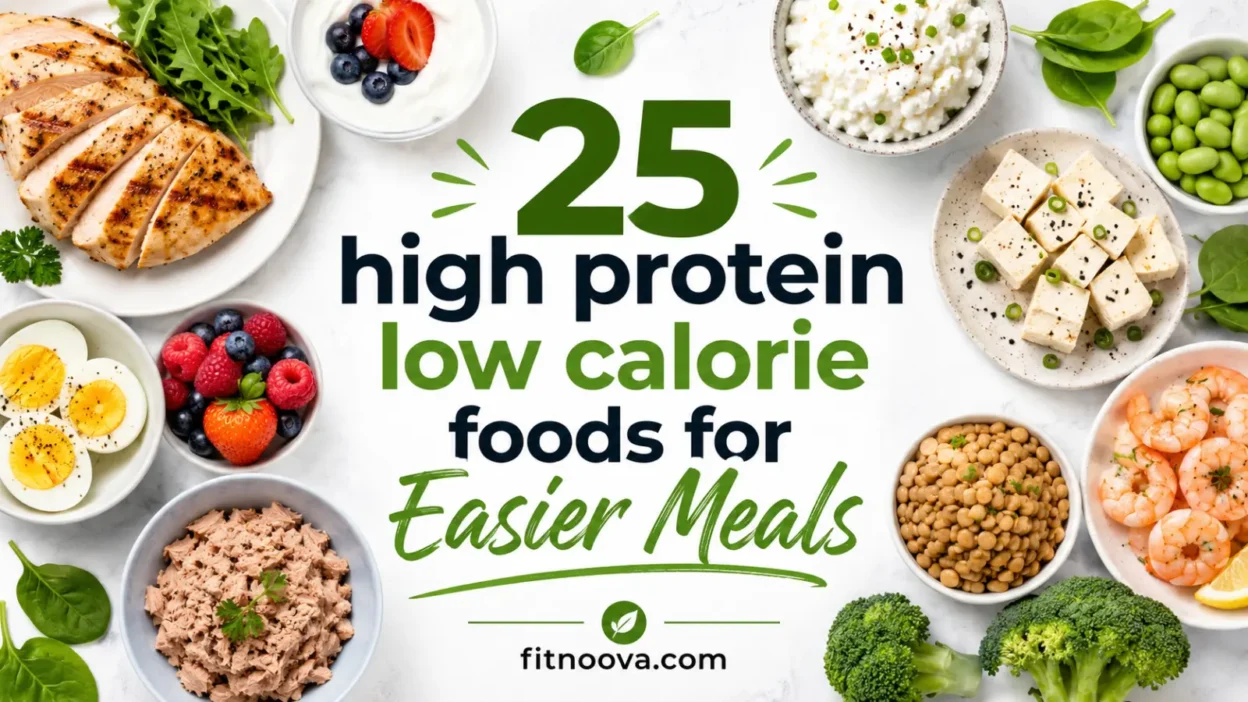
high protein low calorie foods can help you build filling meals without spending your whole calorie budget on one plate. The most useful picks are simple staples with a good protein return, such as chicken breast, turkey, tuna, shrimp, white fish, egg whites, plain Greek yogurt, cottage cheese, tofu, edamame, and lentils. These foods work because they fit real routines, not because they are trendy. They can support steady protein intake, easier meal prep, and more satisfying portions when paired with vegetables, fruit, whole grains, or healthy fats. Your best choices still depend on appetite, budget, food preferences, and any nutrition limits your clinician has given you.
Quick Answer
high protein low calorie foods are lean, protein-focused options that give you a solid amount of protein without a large calorie load. Strong choices include lean poultry, seafood, egg whites, plain Greek yogurt, cottage cheese, tofu, edamame, and lentils. Choose options that fit your meals, portions, budget, and health needs.
What Counts As High Protein And Low Calorie?
There is no single official cutoff, but a practical standard works well: a food should give you a meaningful amount of protein in a normal serving without bringing a lot of extra calories from added sugar, heavy breading, or large amounts of fat. For packaged foods, do not rely on the word “protein” on the front of the package. Check the Nutrition Facts label for serving size, calories, grams of protein, saturated fat, sodium, and added sugar. Serving size matters because the label is only useful if you compare foods on realistic portions.
Why These Foods Help
Protein-rich foods can make meals more satisfying and can support muscle retention when calories are controlled, but long-term results still depend on an eating pattern you can keep doing. That is why the best high-protein low-calorie foods are not just “lean.” They also need to be realistic to shop for, cook, and eat regularly. A sustainable healthy eating pattern still includes produce, fiber-rich carbohydrates, and fats in sensible amounts, not just protein.
25 High-Protein Low-Calorie Foods Worth Buying
1. Chicken Breast
Skinless chicken breast remains one of the most efficient staples for this goal. It is lean, widely available, easy to batch-cook, and flexible enough for bowls, wraps, soups, salads, and sandwiches. Baked, grilled, poached, air-fried, or pressure-cooked versions usually keep the calorie profile more favorable than breaded or fried versions.
2. Turkey Breast
Turkey breast is another strong pick when you want a lean protein that works in simple meals. Freshly cooked turkey is usually a better everyday choice than heavily processed deli slices, which can be high in sodium.
3. Shrimp
Shrimp is one of the easiest ways to get a lot of protein without a heavy meal. It cooks fast and works well in stir-fries, tacos, grain bowls, pasta dishes, and salads. Watch sodium in pre-seasoned or processed shrimp products.
4. Canned Tuna In Water
Tuna is convenient, portable, and protein-dense. It is especially useful for fast lunches and pantry meals. Choose versions packed in water when you want to keep calories lower, and compare sodium across brands.
5. White Fish
Cod, haddock, pollock, and similar white fish are classic lean-protein choices. They are usually lighter than fattier fish and work well when you want a high-protein dinner that does not feel especially heavy.
6. Egg Whites
Egg whites are one of the simplest ways to raise protein without adding much fat. They are useful in scrambles, omelets, breakfast sandwiches, and make-ahead egg bites. Combining egg whites with one whole egg is also a practical middle ground for many people.
7. Nonfat Greek Yogurt
Plain nonfat Greek yogurt is one of the best high-protein low-calorie foods for breakfast or snacks. It is easy to pair with fruit, oats, or nuts, and it also works as a base for sauces and dips. Plain versions are usually a better fit than sweetened flavored cups.
8. Low-Fat Cottage Cheese
Low-fat cottage cheese is filling, easy to portion, and especially useful when you want a quick snack with more staying power than a typical packaged protein bar. It can go sweet or savory, which makes it more versatile than many people expect.
9. Skyr
Skyr belongs in the same conversation as Greek yogurt. It is thick, high in protein, and often a strong option for people who want a spoonable, low-calorie dairy food that feels more substantial than regular yogurt.
10. Low-Fat Kefir
Kefir is a practical choice for people who prefer a drinkable dairy option. It is usually less protein-dense than Greek yogurt, but it can still work well in smoothies or quick breakfasts.
11. Ultra-Filtered Milk
Higher-protein milk products can make it easier to add protein to oatmeal, cereal, coffee drinks, or smoothies without much extra effort. Just compare calories and added sugars across brands.
12. Tofu
Firm tofu is one of the best plant-based options for this topic. It is not as protein-dense as chicken or shrimp, but it is practical, affordable, and easy to use in stir-fries, bowls, sheet-pan meals, and salads.
13. Tempeh
Tempeh is firmer, more savory, and usually more protein-dense than tofu. It is a strong option for plant-based eaters who want something more substantial, though it is not as low-calorie as the leanest foods on this list.
14. Edamame
Edamame is one of the best plant-based foods here because it brings both protein and fiber. That combination often makes it more satisfying than lower-fiber snack foods. It is also easy to keep in the freezer for fast meals.
15. Lentils
Lentils are not “low calorie” in the same way shrimp or egg whites are, but they are still useful because they combine protein, fiber, and meal volume. They work especially well in soups, grain bowls, salads, and meal-prep lunches.
16. Black Beans
Black beans are another smart plant-based choice when the goal is a satisfying, balanced meal instead of just the leanest possible protein source. They make the most sense in bowls, soups, tacos, and mixed dishes rather than as a standalone protein anchor.
17. Chickpeas
Chickpeas are useful, especially in lunches and meal prep, but they are usually best paired with another protein source if you want a more protein-forward meal. They are more of a supportive player than a top-tier lean protein.
18. Seitan
For people who tolerate gluten, seitan is one of the most protein-dense plant-based foods available. It can be especially helpful in sandwiches, stir-fries, and wraps when you want a meat-like texture without meat.
19. Salmon
Salmon is here for a reason, but it needs honest framing. It is a high-quality protein food, and it also provides omega-3 fats, but it is not one of the leanest or lowest-calorie options on this list. It fits best when you want a nutritious protein choice, not when you are trying to maximize protein per calorie.
20. Lean Pork Loin
Pork loin is an underrated lean-protein option. It is usually a better fit than fattier cuts and can add variety for people who are tired of chicken.
21. Lean Beef
Lean beef can fit, especially if you choose leaner cuts and keep portions sensible. It is not the most calorie-efficient option here, but it can still work well in a balanced diet.
22. Rotisserie Chicken Breast Without The Skin
This is not the purest option on the list, but it is one of the most realistic. For busy weeks, pulling the breast meat from a rotisserie chicken is often more useful than planning to cook raw chicken and never getting around to it. Sodium varies by store and seasoning.
23. Jerky With A Short Ingredient List
Jerky can be a practical travel or desk-drawer protein. It is not ideal as a main daily protein source because many brands are high in sodium and some add more sugar than expected.
24. Unsweetened Soy Yogurt With Added Protein
Among non-dairy yogurts, soy usually has a stronger protein profile than many coconut- or almond-based alternatives. Still, labels vary a lot, so this is a category where comparing protein, calories, and added sugar is essential.
25. Protein Powder
Protein powder is a convenience tool, not a nutritional gold star. It can help when you are short on time or struggle to hit your intake with regular food, but it should not crowd out meals built from actual foods. Whole-food protein sources usually bring more overall nutrition and more satisfaction.
The Best Picks For Different Situations
Best For Breakfast
Nonfat Greek yogurt, skyr, cottage cheese, egg whites, and higher-protein milk are usually the easiest wins because they require very little prep and pair well with fruit, oats, toast, or smoothies.
Best For Lunch
Chicken breast, tuna, turkey breast, tofu, lentils, and edamame are especially practical for bowls, wraps, salads, and soups. These choices usually travel well and hold up better in meal prep than more delicate foods.
Best For Dinner
Shrimp, white fish, chicken breast, tofu, tempeh, and lean pork are strong dinner proteins because they adapt well to vegetables and simple sides without pushing calories up too fast.
Best For Snacks
Greek yogurt, cottage cheese, edamame, jerky, and a basic protein shake are usually the most realistic options when you need something that actually bridges you to the next meal.
Best Plant-Based Options
Tofu, tempeh, edamame, lentils, black beans, chickpeas, and seitan are the standouts. Soy foods are especially useful because they offer one of the stronger protein profiles in the plant-based category.
How To Build A Meal Around These Foods
A simple formula works well: choose one main protein, add vegetables or fruit, include a fiber-rich carbohydrate when it helps with fullness or training demands, and use fats deliberately instead of accidentally.
A few practical examples:
- Greek yogurt with berries and oats
- Egg-white scramble with vegetables and toast
- Chicken bowl with roasted vegetables and rice
- Shrimp stir-fry with broccoli and edamame
- Lentil soup with a side salad and cottage cheese
This matters because a “high-protein food” is not automatically a balanced meal. A sustainable eating pattern still includes variety, and current federal guidance emphasizes overall diet quality, not just chasing one macro.
How To Compare Packaged Foods Quickly
Start with serving size. Then look at calories and grams of protein. After that, check sodium, saturated fat, and added sugar. This is where many foods marketed as “protein foods” become less impressive. A yogurt, frozen bowl, jerky, or snack bar can sound like a smart choice but still be heavy on sodium, added sugars, or calories for the amount of protein you get.
Common Mistakes To Avoid
Choosing Foods That Sound Healthy But Are Not Especially Efficient
Some foods are healthy without being especially low-calorie for this exact goal. Salmon, nuts, whole eggs, cheese, and nut butter can all fit in a healthy diet, but they are not usually the most efficient answers when someone wants the highest protein return for fewer calories.
Ignoring Cooking Method
The same food can shift a lot depending on how it is prepared. Frying, breading, creamy sauces, and liberal use of oil can change a lean protein into a much higher-calorie meal. Baking, broiling, grilling, steaming, and air frying are usually more favorable.
Relying Too Much On Packaged “Protein” Products
Protein chips, cookies, desserts, and bars can be convenient, but they are not automatically better than yogurt, chicken, tofu, eggs, or beans. Use them as backup, not as the foundation of your diet.
Forgetting Fiber And Meal Satisfaction
Very lean protein matters, but meals built around nothing but lean protein can be unsatisfying. Adding produce, beans, fruit, or whole grains often makes a meal easier to stick with. Sustainable eating patterns beat short-lived “perfect” meals.
Assuming More Protein Is Always Better
Protein needs depend on body size, age, training, and health status. Some people need individualized guidance, especially those with chronic kidney disease or other medical conditions that affect diet.
FAQ
What are the best high-protein low-calorie foods for weight loss?
The most practical picks are usually chicken breast, shrimp, tuna, white fish, egg whites, nonfat Greek yogurt, low-fat cottage cheese, tofu, edamame, and lentils. The best option is the one you can keep using consistently in meals that feel satisfying, not punishing.
Are eggs high protein and low calorie?
Whole eggs are high in protein, but egg whites are the leaner option if your goal is specifically more protein for fewer calories. Whole eggs can still fit in a healthy diet; they are just not as protein-efficient as egg whites for this exact search intent.
Are plant-based options good enough?
Yes. Tofu, tempeh, edamame, lentils, beans, chickpeas, and seitan can all work. Plant-based foods are often less protein-dense per calorie than the leanest animal proteins, so it helps to be deliberate about portions and combinations.
Do I need protein powder?
No. It is optional. Protein powder can be useful when convenience matters, but most people can meet their needs with regular foods. It works best as a tool, not the center of your diet.
What should I look for on the label?
Look at serving size first, then calories and grams of protein. After that, check sodium, saturated fat, and added sugar. That gives you a more honest picture than the word “protein” on the front of the package.
When should I talk to a clinician or dietitian?
Get individualized advice if you have chronic kidney disease, have been told to limit protein, have a medical condition that affects your diet, or are unsure how much protein is appropriate for you. General guidance is helpful, but personal nutrition advice should match your health history.
CONCLUSION
high protein low calorie foods work best when they are practical, affordable, and easy to repeat. Start with lean poultry, seafood, egg whites, plain dairy, tofu, edamame, and lentils, then build balanced meals around them with produce, grains, or healthy fats. Compare labels, watch sauces and add-ons, and choose portions that match your goals without making meals feel restrictive. Pick one staple today.