Last Updated: MAY 19, 2026
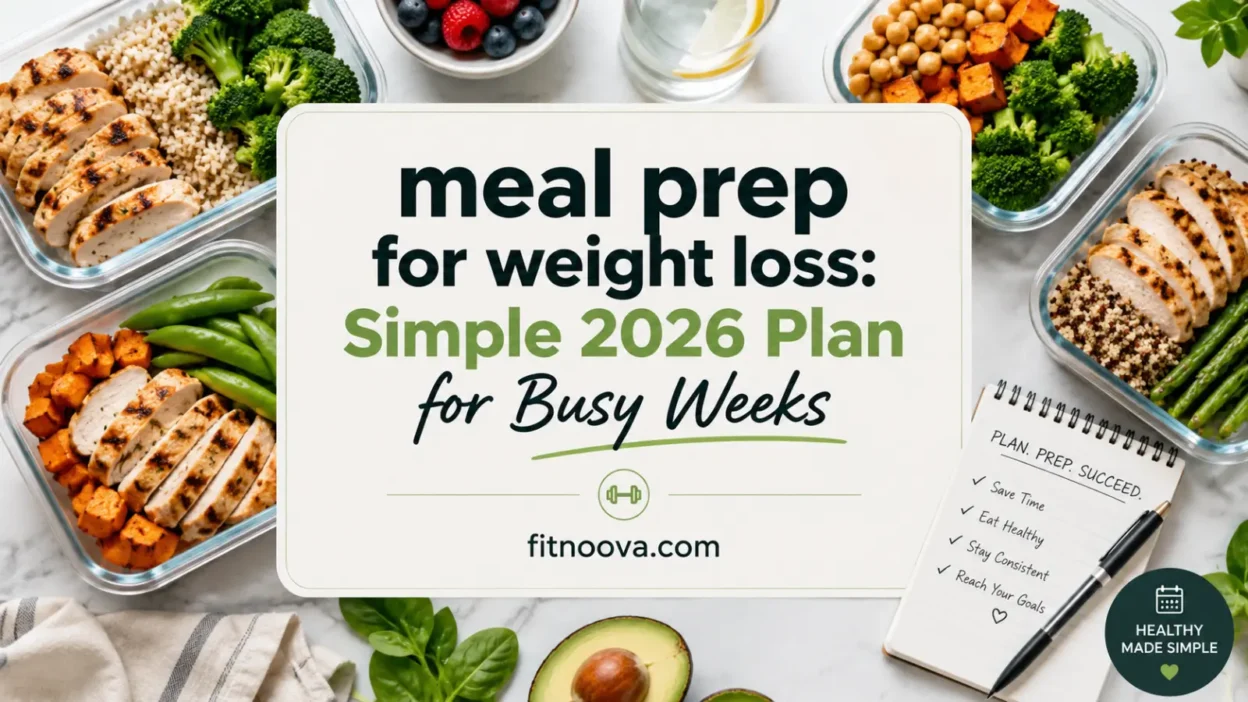
meal prep for weight loss helps you plan balanced food ahead of time so eating well feels simple, steady, and realistic. The goal is not strict dieting. It is building a repeatable routine that supports calorie control, steady portion sizes, lean protein, fiber-rich foods, and a clear grocery list. Start with a few staples you enjoy, then cook enough for several lunches, dinners, or grab-and-go options. Keep sauces, snacks, and side dishes simple so the plan fits your week instead of taking over it. A good setup makes daily choices easier when you are busy, tired, or tempted to order in, while still leaving room for variety and real-life flexibility.
Quick Answer
meal prep for weight loss works best when you plan simple, filling food in advance and keep portions consistent. Choose lean protein, high-fiber carbs, vegetables, and healthy fats, then divide them into ready-to-eat servings. This reduces guesswork, saves time, and helps you stay consistent without relying on strict rules or bland food.
What Meal Prep For Weight Loss Actually Means
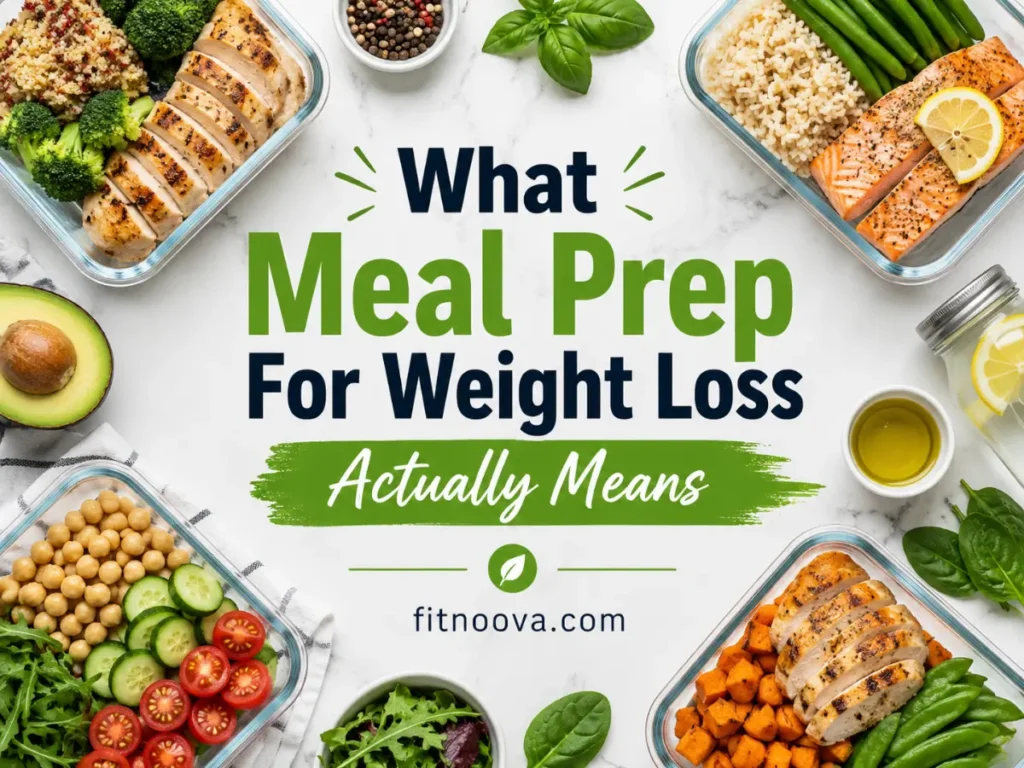
A lot of people hear “meal prep” and picture seven identical containers of bland chicken and rice. That is not necessary. Meal prep can be as simple as washing produce, cooking a batch of protein, portioning out lunches for three days, or having a few reliable breakfasts ready to grab.
For weight loss, the real advantage is decision reduction. When meals are partly planned, you are less likely to go too long without eating, order whatever is easiest, or serve yourself portions that are much larger than you intended. That matters because portion size and overall calorie intake still play a central role in weight management.
Why Meal Prep Can Help With Weight Loss
Meal prep does not cause weight loss by itself. It helps because it supports the habits that usually make weight loss more manageable.
It can help you:
- keep meals more regular
- include more nutrient-dense foods
- control portions before you are overly hungry
- reduce impulsive eating
- save time on weekdays
- make room for foods you actually enjoy instead of swinging between “perfect” and “off plan”
That kind of consistency lines up with mainstream guidance on healthy weight management, which emphasizes a healthy eating pattern, planning, and realistic behavior change over crash dieting.
Start With A Balanced Meal Template
If you are new to meal prep, do not start with calorie math alone. Start with a meal pattern you can repeat.
A strong base looks like this:
- Protein: chicken, turkey, eggs, Greek yogurt, cottage cheese, tofu, beans, lentils, fish, lean beef
- Produce: vegetables, fruit, or both
- Carb source: potatoes, rice, oats, whole-grain pasta, quinoa, beans, fruit, whole-grain bread
- Healthy fat: avocado, nuts, seeds, olive oil, nut butter, cheese in reasonable amounts
This fits the broader federal nutrition guidance to emphasize vegetables, fruits, whole grains, lean or varied protein foods, and lower-fat dairy, while limiting excess added sugar, saturated fat, and sodium.
A practical way to picture it is:
- about half the meal from vegetables and fruit
- a solid palm-size or otherwise appropriate serving of protein
- a moderate portion of starch or other carbohydrate
- a smaller portion of fat-rich extras
That is not the only way to eat, but it is a useful beginner framework because it improves fullness and makes portions easier to manage. Fruits, vegetables, and high-fiber foods can add volume, which may help you feel satisfied on fewer calories.
How To Build Meal Prep For Weight Loss In 5 Steps
1. Pick Your Prep Window
Most beginners do better with one or two short prep sessions a week instead of an all-day Sunday marathon. Prepping for three to four days is often easier to manage and fits food-safety guidance for many leftovers.
2. Choose Two Proteins, Two Carbs, And Several Produce Options
A simple mix might be:
- shredded chicken and Greek yogurt
- rice and roasted potatoes
- roasted broccoli, salad mix, berries, and baby carrots
This gives you variety without turning prep into a project.
3. Prep The Components, Not Always Full Meals
Some people do better when they prep “mix and match” foods instead of complete containers. For example:
- cooked chicken
- washed greens
- chopped cucumbers and peppers
- cooked rice
- hard-boiled eggs
- portioned hummus
- overnight oats
That keeps meals from feeling repetitive and makes it easier to adjust portions based on hunger.
4. Portion With A Little Intention
Weight loss does not require tiny portions, but it does usually require more awareness than eating straight from a takeout box or family-size pan. A portion is what you choose to eat, while a serving size is a measured amount listed on a label or guideline. Knowing that difference helps when you portion meals ahead of time.
5. Leave Some Flexibility
Rigid meal prep often backfires. It is better to plan a few dependable meals and allow room for one restaurant meal, a social event, or a favorite snack than to build a plan you cannot follow for more than four days. You do not need to cut out favorite foods entirely to lose weight.
The Best Foods To Use In Weight-Loss Meal Prep
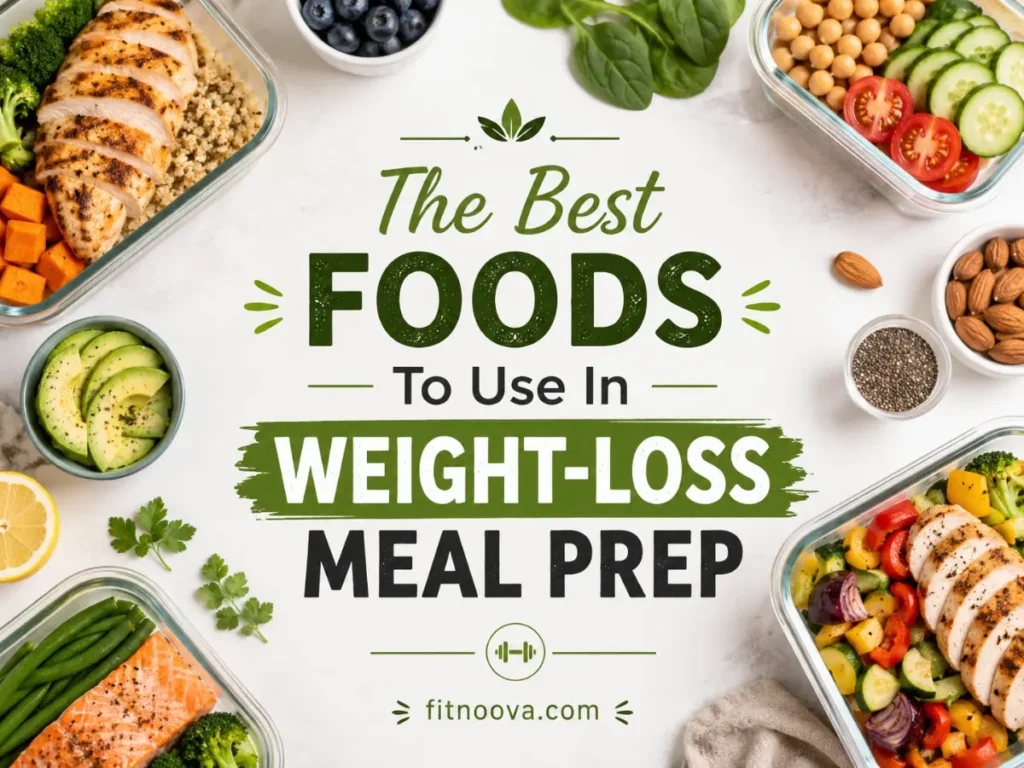
The best meal prep foods are the ones that are easy to portion, satisfying, and realistic for your budget and schedule.
Protein Staples
Chicken breast or thighs, turkey, tuna, salmon, eggs, Greek yogurt, cottage cheese, tofu, edamame, beans, and lentils all work well. Protein helps meals feel more substantial and makes a prep plan easier to stick to. General healthy eating guidance also emphasizes varied protein choices, including seafood, lean meats, eggs, legumes, nuts, seeds, and soy.
Produce Staples
Roasted vegetables, frozen vegetables, salad greens, berries, apples, oranges, grapes, and cut vegetables hold up well and make meals more filling. CDC guidance notes that fruits and vegetables add water and fiber, which can help increase volume without adding many calories.
Carb Staples
Oats, potatoes, rice, quinoa, beans, whole-grain pasta, and whole-grain bread are useful, especially when portions are deliberate. Whole grains and other higher-fiber options may help with fullness.
Fat And Flavor Staples
Olive oil, avocado, nuts, seeds, pesto, vinaigrettes, salsa, yogurt-based sauces, herbs, spices, lemon juice, and pickled vegetables can make healthy meals easier to enjoy without turning them into calorie bombs.
A Simple 3-Day Meal Prep Example
Here is one beginner-friendly example. It is not the only right plan, but it shows what balanced, realistic prep can look like.
Breakfast Options
Option 1: Greek yogurt, berries, and a small portion of granola or oats
Option 2: Overnight oats with chia seeds and fruit
Option 3: Eggs with fruit and whole-grain toast
Lunch Options
Option 1: Chicken rice bowl with roasted broccoli and a light sauce
Option 2: Tuna or chickpea salad wrap with crunchy vegetables
Option 3: Turkey chili with beans and a side salad
Dinner Options
Option 1: Salmon, potatoes, and green beans
Option 2: Tofu stir-fry with rice and mixed vegetables
Option 3: Lean taco bowls with lettuce, salsa, beans, and avocado
Snack Ideas
- cottage cheese and fruit
- apple with peanut butter
- carrots and hummus
- hard-boiled eggs
- popcorn
- a small handful of nuts
- protein-rich yogurt
This kind of structure works because it includes a mix of protein, produce, and higher-quality carbs instead of relying on “diet foods” that leave you hungry an hour later.
How Much Should You Prep?
For most beginners, three to four days is a smart starting point. That is enough to remove weekday stress without filling the fridge with food you may not want by day five. Many leftover foods are best used within about three to four days in the refrigerator, and shallow containers help them cool more quickly and safely.
If you want to prep further ahead, freezing some meals can be more practical than pushing refrigerated leftovers too long. Keep your refrigerator at or below 40°F and your freezer at 0°F.
Food Safety Matters More Than Most Meal Prep Posts Admit
Meal prep for weight loss still has to be safe to eat.
A few basics matter:
- refrigerate perishable foods within 2 hours, or within 1 hour if the temperature is above 90°F
- cool leftovers in small or shallow containers
- thaw foods in the refrigerator, cold water, or microwave, not on the counter
- label containers if you tend to lose track of dates
- discard food that has sat in the danger zone too long
These steps come straight from federal food-safety guidance and are especially important if you are batch cooking proteins, grains, soups, or mixed dishes.
Common Meal Prep Mistakes That Make Weight Loss Harder
Making Meals Too Small
Tiny lunches that look “clean” on social media often leave people ravenous by midafternoon. Then the day turns into snacking, grazing, or overeating at dinner. A weight-loss meal should still be satisfying.
Treating Carbs As The Enemy
Cutting carbs too hard can make meals less filling, less enjoyable, and harder to sustain. For many people, a moderate portion of potatoes, rice, oats, fruit, beans, or whole grains makes a meal more balanced and easier to stick with. Federal nutrition guidance supports whole grains, fruit, beans, and other nutrient-dense carbohydrate sources as part of a healthy eating pattern.
Prepping Foods You Do Not Actually Like
The best meal prep plan is the one you will eat. If you hate plain chicken breast and steamed broccoli, do not build your week around it.
Doing Too Much At Once
A 12-container plan with three sauces, two breakfast bakes, and a homemade dessert may look impressive, but many beginners quit after one week. Start smaller.
Forgetting About Weekends And Social Meals
A plan that only works Monday through Thursday is incomplete. Think through restaurant meals, family dinners, work lunches, and convenience foods before you need them.
Tips To Make Meal Prep Easier To Stick With
Use the same breakfast for a few days, but rotate lunches and dinners.
Keep emergency backup meals in the freezer.
Buy at least one convenience item that helps you stay on track, such as prewashed greens, frozen vegetables, rotisserie chicken, microwavable rice, or canned beans.
Pair meal prep with one simple behavior goal, such as:
- eating lunch before you get overly hungry
- including protein at each meal
- bringing food to work three days a week
- replacing one takeout meal with a prepped meal
Healthy weight loss is typically more realistic when the focus is consistent behavior, not fast results. Even modest, gradual weight loss can improve health markers in people who have overweight or obesity.
When To Adjust Or Get More Personalized Help
A general meal prep plan may not fit everyone. It is smart to get medical guidance before making bigger nutrition changes if you are pregnant, have diabetes, kidney disease, a history of disordered eating, significant gastrointestinal issues, or take medicines that affect appetite, blood sugar, or weight.
You may also need a more individualized plan if weight loss attempts keep leading to binge-restrict cycles, extreme hunger, low energy, or a pattern of all-or-nothing eating. General education can help, but it is not a substitute for personalized medical or nutrition care.
FAQ
How do I meal prep for weight loss if I am very busy?
Start with the smallest version that helps. Prep one breakfast, one lunch, and two grab-and-go snacks for three days. You do not need a full weekly overhaul to make meal prep useful.
What is the best meal prep ratio for weight loss?
There is no single perfect ratio. A practical starting point is a balanced plate with plenty of vegetables or fruit, a satisfying protein source, a moderate portion of carbs, and some healthy fat. Portion size still matters.
Can I eat the same meals every day and still lose weight?
You can, but most people do better with some variety. Repeating a few meals is fine if it saves time and helps consistency, but the overall eating pattern should still be balanced and enjoyable.
How long does meal prep last in the fridge?
It depends on the food, but many leftovers and prepared mixed dishes are best used within about three to four days. Use safe storage practices and do not push foods past their safe window.
Do I need to count calories to use meal prep for weight loss?
Not always. Some people benefit from tracking, while others do well with balanced portions and more consistent eating habits. If you are not tracking, portion awareness becomes even more important.
Is meal prep for weight loss expensive?
It does not have to be. Using simple staples like oats, eggs, beans, rice, potatoes, frozen vegetables, yogurt, and canned tuna can keep costs reasonable while still supporting a balanced eating pattern. USDA guidance also highlights planning, using what you have, and choosing budget-friendly staples to support healthy eating.
Conclusion
meal prep for weight loss gets easier when you keep the plan simple, repeatable, and flexible. Use a short grocery list, batch cooking, balanced plates, and healthy snacks to remove daily guesswork without making food feel boring. Focus on what you can follow most weeks, not a perfect routine. Small updates, like changing a sauce or swapping a side, can keep the system fresh. Start with one simple weekly plan.