
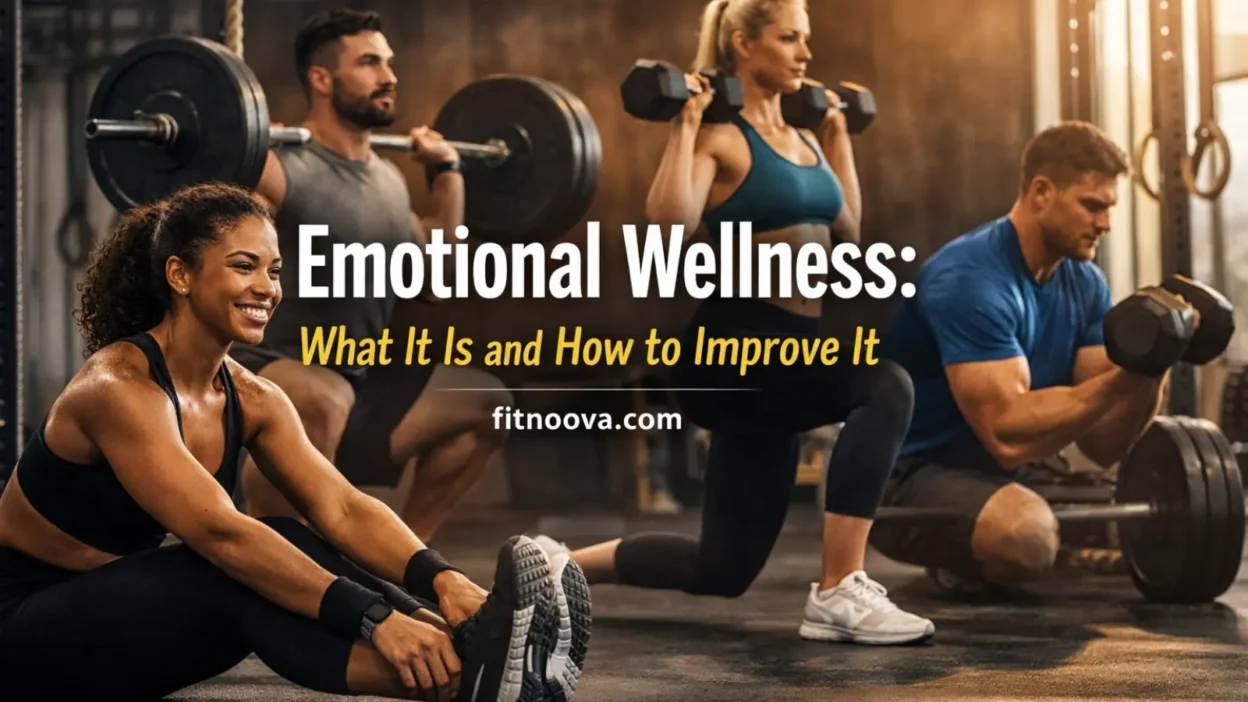
Emotional wellness is the ability to notice, understand, and manage your feelings in a healthy, realistic way. It does not mean feeling happy all the time. It means being able to cope with stress, recover from hard days, maintain supportive relationships, and make choices that protect your well-being over time. Mental health includes emotional, psychological, and social well-being, which is one reason emotional wellness matters in everyday life, not just during a crisis.
Quick Answer
Emotional wellness is the day-to-day skill of handling emotions in ways that support your health, relationships, and functioning. It often improves when you build steady habits around sleep, movement, stress management, social connection, and self-awareness rather than waiting for a breakdown before you pay attention.
What Emotional Wellness Really Means
People often use emotional wellness and mental health as if they are identical. They overlap, but emotional wellness is better understood as a practical part of overall mental health.
A person with solid emotional wellness can still feel stress, sadness, anger, grief, or frustration. The difference is that these feelings are less likely to run the whole day, damage every relationship, or push life off track for long stretches. Emotional wellness shows up in ordinary moments:
- noticing when you are overwhelmed instead of pushing through blindly
- calming yourself before reacting
- asking for help when things feel too heavy
- recovering after conflict, disappointment, or change
- making room for rest, connection, and enjoyment
This is not about being endlessly positive. It is about emotional flexibility.
Why Emotional Wellness Matters
Emotional wellness affects how you think, feel, act, relate to others, and handle stress. When it is neglected, small problems can feel bigger, patience gets shorter, sleep often gets worse, and healthy routines are harder to maintain. When it is supported, people tend to cope better, make steadier decisions, and feel more grounded in daily life.
It also connects closely to physical habits. Public health guidance consistently links physical activity, sleep, and social connection with better well-being. Regular activity can reduce anxiety and depression symptoms and improve sleep, while social connection is associated with better stress management, better sleep, and overall well-being.
Signs Your Emotional Wellness May Need Attention
You do not need to wait for a crisis to take emotional health seriously. Sometimes the early signs are easy to dismiss because they look like normal stress.
Pay attention if you have noticed:
- irritability that lingers for days
- feeling emotionally flat or disconnected
- constant tension, dread, or mental overload
- trouble winding down or sleeping well
- withdrawing from people you normally enjoy
- losing interest in hobbies or routines that used to help
- feeling like everyday demands suddenly take too much effort
- using alcohol, substances, doomscrolling, or avoidance to numb out
A rough week is normal. A pattern that keeps dragging on deserves care.
The Core Habits That Support Emotional Wellness
Most people do better with a handful of repeatable habits than with a complicated plan. Emotional wellness is usually built through consistency, not intensity.
Sleep Comes First More Often Than People Think
Sleep has a direct effect on mood, patience, concentration, and stress tolerance. Poor sleep can make you feel more reactive and emotionally worn down. NIH guidance notes that adults need 7 or more hours of sleep per night, and sleep is one of the basic foundations of emotional wellness.
A few practical ways to support sleep:
- keep a fairly consistent sleep and wake time
- cut back on late-night scrolling when possible
- limit caffeine too late in the day
- create a wind-down routine that feels calming, not performative
You do not need a perfect bedtime routine. You need one that you can repeat.
Regular Movement Helps Mood and Stress
Exercise is not only about fitness goals. It supports emotional regulation too. Major health sources note that regular physical activity can reduce symptoms of depression and anxiety, improve mood, and help with sleep. Even brisk walking counts.
For beginners, a realistic target is better than an ambitious one you will quit. That might mean:
- a 10- to 30-minute walk most days
- short strength sessions a few times a week
- stretching or gentle movement during stressful workdays
- picking something enjoyable enough to repeat
When energy is low, doing less still counts.
Social Connection Protects Emotional Health
Emotional wellness is not only an individual skill. People regulate stress better when they feel connected. CDC notes that social connection supports well-being and can improve stress management and sleep quality.
That does not mean you need a huge social circle. It may be enough to:
- text one trusted person instead of isolating
- schedule a walk or coffee with a friend
- talk honestly with a partner about stress levels
- join a class, group, or community where you feel less alone
Support does not have to look dramatic to be effective.
Stress Reduction Works Best When It Is Simple
Stress management is often presented as a polished self-care routine. In real life, it is usually smaller than that. CDC guidance includes simple coping tools such as deep breathing, stretching, meditation, journaling, spending time outdoors, and taking breaks from distressing news or social media.
Choose one or two tools you can actually use. Examples:
- five slow breaths before answering a stressful message
- a short walk after work to reset your mind
- writing down what is bothering you instead of replaying it
- stepping away from nonstop news when it is increasing distress
- keeping one part of the day less noisy and less reactive
The goal is not to eliminate stress. It is to reduce how much it controls you.
Enjoyment Is Part of Health, Not a Reward for Productivity
Many people treat rest, hobbies, and pleasure as something they have to earn. That usually backfires. Public health guidance encourages making time for hobbies and activities you enjoy because they help take your mind off stress and support emotional well-being.
This can be ordinary:
- cooking for fun
- reading before bed
- music, gardening, drawing, or gaming
- time outside without trying to “optimize” it
- doing something badly but happily
Enjoyment can be stabilizing, not wasteful.
A Simple Emotional Wellness Routine for Beginners
If you want structure, keep it light. A useful routine should support your nervous system, not become another thing to fail at.
Morning
Start with a basic check-in. Ask yourself:
- How do I feel this morning?
- What level is my energy?
- What would help me feel steadier today?
Then build from there:
- get out of bed at a fairly regular time
- eat something if you tend to skip breakfast and crash later
- get daylight exposure if possible
- move your body for even a few minutes
- avoid beginning the day with pure chaos from your phone
Midday
This is when many people start running on stress without noticing.
Helpful reset options:
- pause for lunch instead of eating while working
- take a short walk
- stretch for a few minutes
- message someone you trust
- step away from screens briefly if your brain feels fried
Evening
Evenings shape the next day more than people realize.
A simple evening plan may include:
- lowering stimulation in the last hour before bed
- reducing late caffeine or heavy stress input
- doing one calming activity
- avoiding unnecessary arguments when you are already depleted
- aiming for a consistent bedtime most nights
You do not need to do all of this. Two or three repeatable steps are enough to make a difference.
How To Build Emotional Awareness Without Overthinking Everything
Emotional awareness is the ability to notice what you are feeling before it spills into your behavior. It matters because many people react first and understand later.
A simple way to practice:
- Name the feeling as specifically as you can.
“Stressed” may actually be overwhelmed, embarrassed, lonely, resentful, or exhausted. - Notice the trigger.
Ask what happened right before the feeling got stronger. - Check what your body is doing.
Tight jaw, racing thoughts, shallow breathing, and restlessness can be early signals. - Decide what would help right now.
Not forever. Just now. - Delay reactions when possible.
A pause can protect relationships and decisions.
This kind of self-awareness is useful because it turns vague distress into something more workable.
What Emotional Wellness Is Not
It helps to clear up a few common misunderstandings.
Emotional wellness is not:
- pretending to be fine
- never getting angry or sad
- constant positivity
- doing everything alone
- being productive every hour of the day
- a substitute for therapy or medical care when those are needed
A calm-looking life is not always a healthy one. Some people appear high-functioning while quietly feeling overwhelmed all the time.
Common Mistakes That Make Emotional Wellness Harder
Waiting Until You Are Burned Out
Small habits are easier to build before things fall apart. Waiting until you feel completely depleted often makes recovery slower.
Treating Every Bad Day Like Failure
Emotional wellness includes fluctuation. A difficult day does not mean your habits are useless. It usually means you are human.
Using Avoidance as Your Main Coping Tool
Scrolling, overworking, drinking, isolating, or staying constantly busy can numb feelings for a while. They usually do not solve the issue underneath.
Making the Routine Too Complicated
When a plan includes ten habits, color-coded tracking, and no room for real life, it often collapses quickly. Simpler routines usually last longer.
Ignoring Basic Physical Needs
Skipping meals, sleeping too little, never moving, and staying overstimulated all day can make emotional regulation much harder. Physical and emotional health are closely linked.
When Emotional Wellness Needs More Than Self-Care
Self-care can help, but it has limits. If emotional distress is lasting, worsening, or making it hard to function, professional support may be the better next step.
Consider reaching out to a licensed mental health professional or healthcare provider if you notice:
- persistent sadness, anxiety, or hopelessness
- major changes in sleep, appetite, or energy
- panic, constant dread, or trouble functioning at work or home
- ongoing withdrawal from relationships
- feeling unable to cope with daily life
- thoughts of self-harm or suicide
If you are in immediate danger, call 911 or go to the nearest emergency room. In the United States, if you are suicidal or in emotional distress, you can call or text 988 for the 988 Suicide & Crisis Lifeline, which provides free, confidential support 24 hours a day.
FAQ
What is the difference between emotional wellness and mental health?
Mental health is the broader category that includes emotional, psychological, and social well-being. Emotional wellness is one practical part of that bigger picture and focuses on how well you understand, manage, and respond to emotions in daily life.
Can emotional wellness improve without therapy?
Sometimes, yes. Better sleep, regular movement, stronger routines, social support, and stress-management habits can help many people feel more steady. But if symptoms are intense, persistent, or affecting daily functioning, therapy or medical support may be more appropriate.
How long does it take to improve emotional wellness?
There is no fixed timeline. Some people feel better within days when they sleep more consistently or reduce overload. Bigger changes usually come from repeating basic habits over weeks and months.
Does exercise really help emotional wellness?
Yes, regular physical activity is linked with better mood, lower anxiety and depression symptoms, and better sleep. It does not need to be extreme to help. Walking, cycling, strength training, or other enjoyable movement can all count.
What if I know what helps but still cannot get myself to do it?
That is common. When stress is high, even basic habits can feel hard. Start smaller than you think you need to. One walk, one earlier bedtime, one honest conversation, or one appointment for support is still progress.
Is emotional wellness the same as being happy?
No. Emotional wellness is not constant happiness. It is the ability to handle a wide range of emotions in a way that supports your health, relationships, and daily functioning.
Conclusion
Emotional wellness is not a luxury and it is not just a buzzword. It is the everyday ability to handle feelings, stress, and relationships with more steadiness and less self-neglect. For most people, the strongest place to start is not a dramatic reset. It is a handful of repeatable habits: better sleep, regular movement, real connection, simple stress relief, and more honest self-awareness. If those basics are not enough, getting support is part of emotional wellness too, not a sign that you failed.