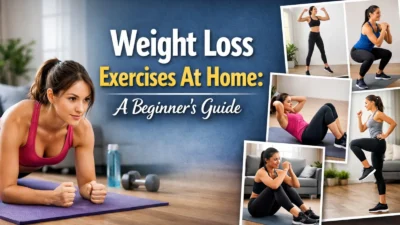

If you want a clear answer to the question of the best exercise to lose weight, start here: for most people, the best exercise is the one that burns energy, is easy to repeat, and fits real life well enough to do week after week. That usually makes brisk walking one of the strongest choices. It is accessible, low-cost, beginner-friendly, and easier to recover from than harder workouts. On top of that, current public-health guidance still centers weight-management exercise around regular aerobic activity plus strength training, not one magic workout.
Quick Answer
The best exercise to lose weight for most beginners is brisk walking, especially when paired with two weekly strength-training sessions and a routine you can keep consistently. Adults are generally advised to get at least 150 minutes of moderate-intensity activity per week, and some people may need closer to 300 minutes per week for weight loss or keeping weight off.
What “Best” Really Means for Weight Loss
People often search for a single fat-burning workout, but weight loss does not work that neatly. The best exercise is not always the hardest one. It is the one that helps you move more, recover well, preserve muscle, and stay consistent without dreading every session.
A workout can look great on paper and still fail in real life if it leaves you overly sore, hungry, exhausted, or ready to quit by week two. That is why sustainable exercise usually beats extreme exercise.
For most adults, the strongest weight-loss plan includes:
- aerobic activity you can do often
- strength training to help maintain muscle during weight loss
- a weekly routine that matches your schedule, joints, fitness level, and energy
That overall pattern lines up with current federal physical activity guidance and weight-management guidance from major health sources.
Why Brisk Walking Is Often the Best Exercise to Lose Weight
Brisk walking does not always get the same attention as running, boot camps, or HIIT, but it checks nearly every box that matters.
It Is Easy to Start
You do not need a gym, special skill, or complicated program. That lowers the barrier to entry, which matters more than people think.
It Is Easier to Recover From
Many beginners can walk regularly without the heavy soreness that often comes with intense interval training or high-impact cardio. That makes it easier to stack activity across the week.
It Is Safer for More People
Walking is usually easier on the joints than running and easier to modify if you are carrying extra weight, are older, or are getting back into exercise after a long break.
It Supports a Higher Weekly Volume
Weight loss often responds well to doing enough total activity over time. A workout you can repeat five or six days a week may help more than a brutal workout you only survive once. NIDDK notes that some people may need about 300 minutes of aerobic activity per week if the goal is weight loss or weight-loss maintenance.
It Pairs Well With Real Life
You can walk after meals, during work breaks, while listening to a podcast, or with family. That flexibility matters.
Is Walking Better Than Running for Weight Loss?
Not always, but often for beginners.
Running usually burns more calories per minute than walking, but that does not automatically make it the better long-term choice. If running causes shin pain, knee pain, or constant fatigue, it may reduce your total weekly movement. Walking may burn less per minute, yet more across the whole week because you can do it more often and recover more easily.
For many people, this is the better comparison:
- Running can be efficient.
- Walking is often more sustainable.
If you already enjoy running and tolerate it well, it can absolutely help with weight loss. But if you are asking for the best overall exercise for real-world consistency, brisk walking deserves the top spot.
Where Strength Training Fits In
If walking is often the best starting point, strength training is the best partner to add.
Weight loss is not only about the scale. You also want to keep as much muscle as possible while losing body fat. Muscle-strengthening work supports that goal, and major guidelines recommend muscle-strengthening activity at least two days per week in addition to aerobic exercise.
Strength training can include:
- bodyweight squats
- wall push-ups or incline push-ups
- dumbbell rows
- glute bridges
- split squats
- resistance band presses or pulls
- simple machine-based gym workouts
You do not need bodybuilding-style workouts. Two or three full-body sessions a week is enough for many beginners.
What About HIIT for Weight Loss?
High-intensity interval training can help with fitness and calorie burn, but it is not automatically the best exercise to lose weight for everyone.
HIIT tends to work best when:
- you already have a base of fitness
- your joints tolerate impact well
- you recover well between sessions
- you can keep the rest of your routine stable
It tends to work less well when:
- you are brand new to exercise
- you are very deconditioned
- you have joint pain
- hard workouts trigger binge eating, extreme fatigue, or skipped sessions
There is nothing wrong with HIIT, but it is often overprescribed. For many people, a simple mix of walking, strength training, and a manageable amount of moderate cardio works better.
The Best Types of Exercise to Lose Weight, Ranked by Real-World Usefulness
This is not a ranking of the “hardest” workouts. It is a ranking based on how useful they tend to be for sustainable weight loss.
1. Brisk Walking
Best for most beginners, busy adults, and people who want something simple and repeatable.
2. Strength Training
Best for preserving muscle, improving body composition, and supporting long-term results.
3. Cycling
Great for people who want low-impact cardio and can ride comfortably indoors or outdoors.
4. Swimming or Water Exercise
Excellent for people who need a low-impact option or have joint limitations.
5. Incline Walking
A strong upgrade for people who want walking to feel more challenging without running.
6. Jogging or Running
Useful if you enjoy it, tolerate impact, and can recover well.
7. HIIT
Effective for some, but not necessary for most and not the best starting point for everyone.
How Hard Should Weight-Loss Exercise Feel?
A lot of people think fat loss only “counts” if the workout leaves them drenched and wrecked. That is not true.
Moderate-intensity activity is enough to improve health and support weight management. A simple way to judge effort is the talk test: during moderate-intensity activity, you should be able to talk but not sing. During vigorous activity, saying more than a few words without pausing for breath becomes difficult.
For beginners, a good target is:
- most cardio at a moderate effort
- strength work that feels challenging but controlled
- one to three reps left “in the tank” on many sets
- enough recovery that you can train again tomorrow or the next day
A Simple Weekly Routine for Weight Loss
If you are not sure how to turn this into a plan, start with something realistic.
Beginner Weight-Loss Exercise Plan
Monday: 30-minute brisk walk
Tuesday: Full-body strength workout, 25 to 40 minutes
Wednesday: 30-minute brisk walk
Thursday: Rest day or easy walk
Friday: Full-body strength workout, 25 to 40 minutes
Saturday: 40- to 60-minute walk, bike ride, or other moderate cardio
Sunday: Easy walk or rest
This kind of routine helps you build toward the baseline weekly activity target while keeping strength work in place. Over time, you can increase total movement gradually if recovery stays good. Federal guidance notes that some activity is better than none, and the weekly total can be broken into smaller chunks.
How to Progress Without Burning Out
Progression matters, but it does not need to be dramatic.
Use one of these methods at a time:
- add 5 to 10 minutes to a few walks each week
- add one extra day of light movement
- walk at a slightly faster pace
- add hills or treadmill incline
- add a set to one or two strength exercises
- increase weight modestly when form stays solid
A good rule is to build slowly enough that your sleep, mood, and soreness stay manageable.
Common Mistakes That Make Weight-Loss Exercise Less Effective
Doing Too Much Too Soon
A huge spike in activity often leads to soreness, fatigue, and missed sessions. Start below your maximum, not at it.
Choosing a Workout You Hate
The “best” exercise is useless if you quit after ten days.
Ignoring Strength Training
Cardio helps, but strength work supports muscle retention and overall body composition.
Treating Exercise as the Only Lever
Weight loss usually works best when exercise sits alongside steady eating habits, enough sleep, and stress management. CDC and NIDDK both frame healthy weight loss as broader than exercise alone.
Assuming Sweating Means Better Fat Loss
Sweat tells you more about temperature and effort than fat loss.
Exercising So Hard You Move Less the Rest of the Day
A punishing workout can backfire if it leaves you parked on the couch for the next 20 hours.
What to Do if You Have Knee Pain, Back Pain, or Low Fitness
You do not have to force high-impact workouts.
Better options may include:
- shorter brisk walks split through the day
- cycling
- swimming or pool walking
- seated cardio machines
- controlled strength training with stable movements
- incline walking only if it feels comfortable
Back off and get medical guidance before continuing if exercise brings chest discomfort, fainting, severe dizziness, or unusual shortness of breath. Chest pain in particular should be treated seriously.
Do You Need 300 Minutes a Week?
Not everyone needs the same amount of exercise for weight loss. Current guidance generally sets 150 minutes of moderate-intensity aerobic activity per week as the baseline for health, but some people may need around 300 minutes per week for additional weight-loss or weight-maintenance benefit.
That does not mean you should jump straight to 300 minutes.
A smarter path looks like this:
- start with what you can recover from
- build consistency first
- add time gradually
- watch how your appetite, energy, and schedule respond
For some people, 150 to 180 minutes plus strength training is a strong and sustainable place to begin.
What if You Want Faster Results?
It is reasonable to want progress, but faster is not always better.
The workouts most likely to help are the ones you can repeat for months, not days. That usually means:
- moderate cardio you can recover from
- enough weekly movement to matter
- basic strength training
- a plan that does not depend on perfect motivation
If a plan only works when life is quiet, sleep is perfect, and your willpower is high, it is probably too fragile.
FAQ
What is the single best exercise to lose weight?
For most people, brisk walking is the best single exercise to lose weight because it is simple, repeatable, and easy to recover from. The best overall plan usually combines walking or other cardio with strength training.
Is cardio or weights better for weight loss?
Cardio usually burns more energy during the session, while weights help preserve muscle and improve body composition. Most people do best with both rather than choosing one.
Can I lose weight by walking every day?
Yes, walking every day can support weight loss, especially if your pace is brisk and your weekly total is high enough. It works even better when paired with strength training and steady eating habits.
How long should I exercise each day to lose weight?
There is no perfect daily number. Many adults start with about 30 minutes on most days and build from there. Some people may need more total weekly activity over time for weight loss or weight-loss maintenance.
Is HIIT better than walking for fat loss?
Not automatically. HIIT can be effective, but walking is often easier to sustain and recover from. For many beginners, that makes walking the better real-world choice.
Should beginners run to lose weight?
Only if running feels comfortable and sustainable. Many beginners do better starting with brisk walking, incline walking, cycling, or strength training, then adding running later if they want it.
Conclusion
The best exercise to lose weight is usually not the flashiest workout. For most people, it is brisk walking supported by regular strength training and enough weekly consistency to make the plan stick. Start with an approach you can repeat, build gradually, and let sustainability do the heavy lifting.