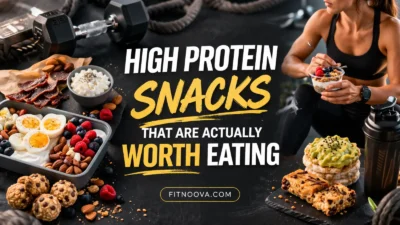

Protein snacks can be a smart way to stay satisfied between meals, especially when they are built from real, nutrient-dense foods instead of ultra-processed options. The best ones are simple, convenient, and balanced enough to help with hunger, energy, and recovery without turning into a second meal. Choosing lean, minimally processed protein sources and keeping an eye on added sugars, sodium, and saturated fat is a solid place to start.
Quick Answer
Protein snacks are snacks that provide a meaningful amount of protein, often from foods like yogurt, cottage cheese, eggs, edamame, nuts, seeds, beans, fish, poultry, or soy foods. The most useful protein snacks are easy to eat, satisfying, and built from foods that also bring other nutrients, such as fiber, calcium, or healthy fats, rather than just protein alone.
What Makes A Good Protein Snack?
A good protein snack does more than hit a number on the label. It should help you feel pleasantly full, fit your schedule, and make sense for your overall eating pattern.
In practice, the best options usually have three things going for them:
• A solid protein source
• Reasonable portions
• A short ingredient list or recognizable whole-food ingredients
Many people do best with snacks that combine protein with fiber or produce. That could mean yogurt with berries, hummus with vegetables, or tuna with whole-grain crackers. The American Heart Association also recommends choosing protein foods mostly from plant sources, eating fish regularly, and choosing lean, unprocessed meats and lower-fat dairy when you use animal foods.
Why Protein Snacks Can Be Helpful
Protein helps support muscle maintenance and repair, but that is not the only reason people reach for it. A protein-forward snack can also make the gap between meals easier to manage, which may help cut down on mindless grazing or random pantry raids later in the day.
That does not mean every snack needs to be high in protein. It just means protein snacks are especially useful when you want something more filling than a quick carb on its own. Pairing protein with fiber-rich foods can make that snack work even better for staying power.
25 Protein Snacks That Are Easy To Keep In Rotation
Here are practical options that work for beginners, busy adults, and anyone who wants better snack ideas without overthinking it.
1. Greek Yogurt With Berries
Plain Greek yogurt is one of the easiest high-protein snacks around. Add berries for sweetness and fiber, and you have something that feels substantial without being heavy.
2. Cottage Cheese With Pineapple Or Tomatoes
Cottage cheese works both sweet and savory. Pineapple makes it easy to eat after lunch or in the afternoon, while cherry tomatoes and black pepper turn it into a quick savory snack.
3. Hard-Boiled Eggs
Hard-boiled eggs travel well, take very little effort, and pair nicely with fruit or raw vegetables. They are especially useful when you want something simple that does not come from a package.
4. Edamame
Edamame is one of the strongest plant-based protein snack options because it is filling, convenient, and easy to portion. Harvard Health notes that 1 cup of edamame provides about 18 grams of protein.
5. Roasted Chickpeas
Roasted chickpeas can add crunch without relying on chips or crackers. They work well when you want a shelf-stable snack, but it still helps to check sodium on packaged versions.
6. Hummus With Vegetables
Hummus is not a protein powerhouse on its own, but it becomes a smarter snack when paired with crunchy vegetables and a realistic portion. It also works well if you want something savory that is not meat-based.
7. Apple Slices With Peanut Butter
This classic stays popular for a reason. The fruit adds fiber and volume, while the nut butter adds protein and fat. Choose versions without a lot of added sugar or excess sodium when possible.
8. Plain Yogurt With Chia Seeds
A spoonful of chia seeds can add texture and help round out a yogurt snack. This works especially well when you want a quick breakfast-style snack.
9. Cheese With Fruit
Cheese is convenient and satisfying, and fruit helps balance it out. Keeping the portion moderate makes this a better everyday option.
10. Tuna With Whole-Grain Crackers
Tuna packets are useful when you want something portable and higher in protein. Pair them with whole-grain crackers for a more complete snack. The American Heart Association specifically lists whole-grain crackers with low-sodium canned tuna or salmon as a healthy snacking idea.
11. Salmon Packet With Cucumber Slices
This is a good option when you want protein without needing a fridge for long. It is also a simple alternative to deli meat snacks.
12. Turkey Roll-Ups
Use slices of turkey around cucumber sticks or bell pepper strips. Lean, minimally processed turkey is a better choice than highly processed snack meats.
13. Tofu Cubes With Seasoning
Baked tofu cubes can be a strong make-ahead snack if you want something plant-based, savory, and easy to grab from the fridge.
14. Soy Nuts Or Roasted Edamame
These work well for crunch and convenience. Just keep an eye on sodium if you buy packaged versions.
15. Low-Sugar Protein Smoothie
A smoothie can work when food does not sound appealing, but it is usually better when it includes real ingredients like Greek yogurt, milk, soy milk, fruit, and maybe nut butter instead of relying entirely on powder.
16. Milk And A Banana
Simple still counts. The American Heart Association notes that an 8-ounce glass of milk provides about 8 grams of protein. Pairing it with fruit makes it more satisfying than drinking it alone.
17. Yogurt And Fruit
This is one of the easiest snack combinations to keep on hand. The American Heart Association includes plain low-fat or fat-free yogurt with fruit among healthy snacking options.
18. Cottage Cheese On Whole-Grain Toast
This works when you need something more substantial. It can be especially useful before a workout or during a long afternoon.
19. Trail Mix With Nuts And Seeds
Nuts and seeds are good sources of protein and healthy fats, but trail mix is easy to overeat. Pre-portioning helps. NIDDK also points to unsalted nuts and seeds as protein sources.
20. Pumpkin Seeds
Pumpkin seeds are easy to carry and easy to add to other snacks. They work well on their own or mixed into yogurt.
21. Peanut Butter On Whole-Grain Toast
The AHA lists whole-grain toast with peanut butter or another nut butter without added salt or sugar as a healthy snack option.
22. Bean Dip With Bell Peppers
Beans are a practical protein food, and they also add fiber. A cup of dry beans provides about 16 grams of protein, according to the AHA, so even snack-size portions can meaningfully contribute.
23. Cottage Cheese Bowl With Walnuts
This is a more filling option for people who want a slower-digesting snack in the evening.
24. Leftover Chicken With Raw Veggies
Not every snack needs to look like a snack food. Leftover chicken or grilled tofu can be a perfectly good afternoon option if it helps you avoid random processed grazing.
25. Protein Oatmeal
Oatmeal is usually thought of as breakfast, but a small bowl made with milk or soy milk and topped with yogurt, seeds, or nut butter can work as a satisfying snack.
How To Choose Protein Snacks At The Store
Packaged protein snacks can be useful, but not all of them are worth the price or the hype. Some are basically candy bars with added protein. Others are loaded with sodium or saturated fat.
When you read a label, start with the serving size. Then check the protein content, and also look at added sugars, sodium, and saturated fat. The FDA says these are nutrients many Americans get too much of, so they are worth limiting when you compare products.
A few practical filters help:
• Pick snacks with a clear protein source, such as yogurt, nuts, seeds, beans, eggs, fish, soy, or lean meat
• Keep added sugar reasonable
• Watch for high sodium in jerky, deli meats, flavored roasted snacks, and packaged dips
• Be careful with products that market protein heavily but still read like dessert
How Much Protein Should A Snack Have?
There is no universal rule for the perfect protein snack. The right amount depends on the rest of your diet, your appetite, your activity level, and how long you need that snack to hold you over.
For most adults, it is more useful to think in terms of function than perfection. A lighter snack might be enough if dinner is soon. A more substantial snack may make more sense after exercise, during a long workday, or when meals are widely spaced.
Using real-food examples can help. The AHA notes that milk provides about 8 grams of protein per cup, yogurt about 11 grams per cup, lean meat about 21 grams per 3-ounce serving, and beans about 16 grams per cup. Those examples show how easy it is to build a protein snack without special products.
The Best Protein Snacks For Different Situations
For Busy Workdays
Choose options that need little to no prep:
• Greek yogurt cups
• Tuna packets
• Roasted edamame
• Nuts and fruit
• Hard-boiled eggs
For After A Workout
Go with snacks that are easy to eat and not too greasy:
• Yogurt with fruit
• Milk and a banana
• Cottage cheese and fruit
• Turkey roll-ups
• Protein oatmeal
For Weight-Loss Support
Focus on snacks that are filling but still easy to portion:
• Greek yogurt with berries
• Edamame
• Cottage cheese with tomatoes
• Apple with peanut butter
• Hummus with raw vegetables
For Plant-Based Eating
Try these reliable choices:
• Edamame
• Roasted chickpeas
• Tofu cubes
• Soy yogurt
• Nut butter with fruit
• Bean dip with vegetables
Common Mistakes To Avoid
Treating “High Protein” As Automatically Healthy
A product can be high in protein and still be high in added sugar, sodium, or saturated fat. The label matters.
Choosing Processed Meat Too Often
Jerky, meat sticks, and deli meat can be convenient, but many versions are high in sodium. They are better used selectively than as the default every day.
Forgetting About Balance
Protein alone is not always the most satisfying choice. Pairing it with fruit, vegetables, or whole grains often works better for hunger and energy.
Letting Portions Drift
Nuts, seeds, trail mix, nut butter, and cheese are nutritious, but they are easy to eat mindlessly. A planned portion helps keep a snack useful instead of accidental.
Buying Expensive Protein Products You Do Not Need
You do not need specialty bars, powders, or cookies to eat protein snacks. Many of the best options are basic foods you can buy at a normal grocery store.
Who Should Be A Bit More Careful?
Protein snacks are a good fit for many people, but there are a few cases where caution matters.
If you have chronic kidney disease or have been told to limit protein, your needs may be different. NIDDK notes that protein guidance can change with kidney conditions, and too much protein may be a concern in some settings.
Food allergies matter too. Common allergens include milk, eggs, soy, peanuts, tree nuts, fish, and shellfish, which happen to show up in many protein snacks. Read labels carefully if allergies are part of the picture.
If you are pregnant, breastfeeding, managing diabetes, or working with a medical condition that affects diet, general snack advice may still be useful, but personal guidance from your clinician or dietitian comes first.
FAQ
Are protein snacks good for weight loss?
They can be. Protein snacks may help with fullness, which can make it easier to manage hunger between meals. The bigger picture still matters, including portions, overall food quality, and whether the snack actually fits your day.
What are the healthiest protein snacks?
Some of the strongest everyday choices are Greek yogurt, cottage cheese, eggs, edamame, hummus with vegetables, nuts, seeds, beans, tuna, salmon, and plain yogurt with fruit. These foods offer protein along with other nutrients instead of just a marketing claim.
Are protein bars a good snack?
Sometimes. They are convenient, but quality varies a lot. Check the ingredient list and compare protein, added sugar, sodium, and saturated fat before making them a regular habit.
Is it better to snack on protein or carbs?
That depends on the situation. If you want something that lasts longer, protein usually helps more than a quick carb by itself. In many cases, the most satisfying snack combines both, such as yogurt with fruit or peanut butter on toast.
What are easy high-protein snacks with no cooking?
Greek yogurt, cottage cheese, tuna packets, salmon packets, roasted edamame, nuts, seeds, milk, cheese, and hard-boiled eggs are all easy options. Many of them need little more than a fridge and a spoon.
Can protein snacks replace meals?
Usually, no. Most protein snacks work best as a bridge between meals, not a full substitute. If you regularly need a snack to stand in for lunch or dinner, it may make more sense to improve the meal itself.
Conclusion
The best protein snacks are not the most expensive or the most aggressively marketed. They are the ones you will actually eat, that fit your day, and that leave you feeling satisfied instead of restless and hungry again an hour later.
For most people, that means keeping protein snacks simple: yogurt, eggs, edamame, cottage cheese, nuts, seeds, beans, fish, tofu, and fruit-forward pairings that feel realistic in everyday life. Start with a few options you enjoy, keep portions sensible, and let convenience work in your favor.