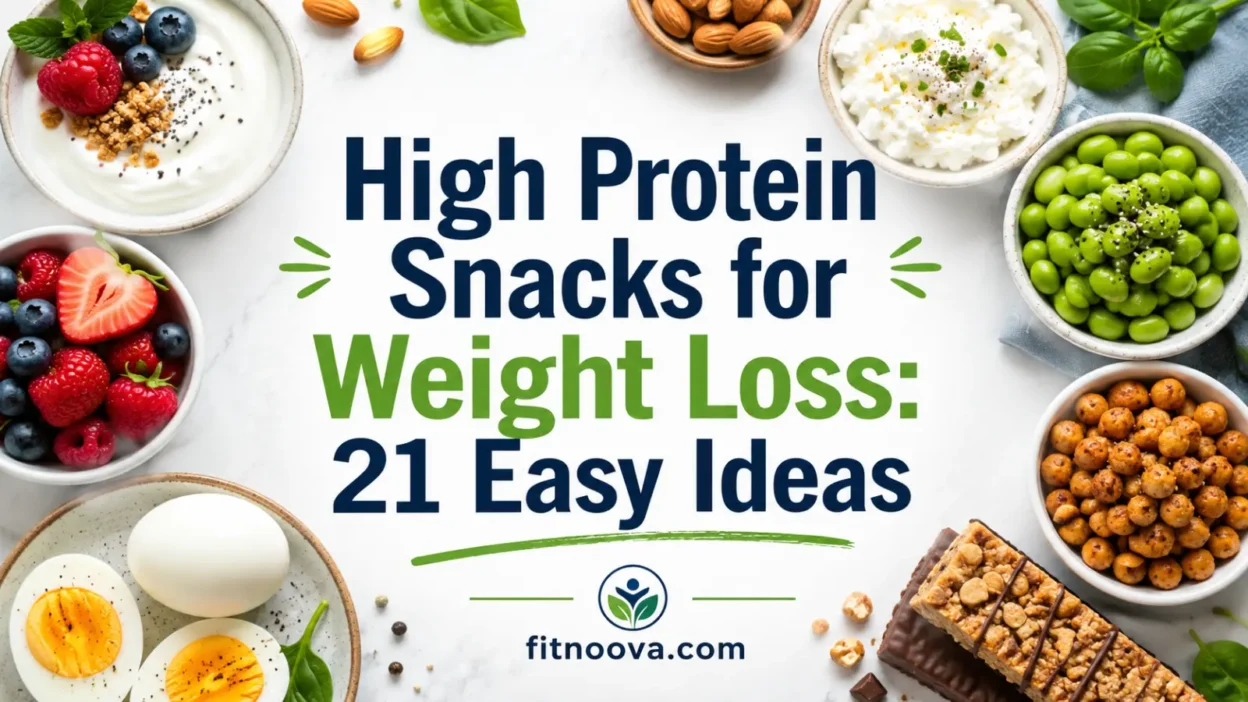
High protein snacks for weight loss can make healthy eating easier when they are simple, portion-aware, and satisfying enough to prevent random grazing later. Protein is not a fat-loss shortcut by itself, but it can help a snack feel more filling, especially when you pair it with fiber-rich foods like fruit, vegetables, beans, or whole grains.
The best choices are not always the flashiest protein bars or powders. In 2026, with high-protein products everywhere, the smarter approach is still practical: choose mostly whole or minimally processed foods, check labels when you buy packaged snacks, and keep your total daily intake aligned with your needs, appetite, and weight-loss plan.
Quick Answer
The best high protein snacks for weight loss usually provide about 10 to 20 grams of protein, fit your calorie needs, and include filling foods such as Greek yogurt, cottage cheese, eggs, tuna, edamame, tofu, lean poultry, beans, or protein-rich dairy. For better appetite control, pair protein with fiber or produce instead of relying on protein alone. A snack helps weight loss only when it supports a sustainable calorie deficit, not when it simply adds extra food to the day.
Why Protein Snacks Can Help With Weight Loss
Protein helps make snacks more satisfying because it digests more slowly than many refined carbohydrate snacks and supports muscle maintenance while you lose weight. That matters because weight loss is not just about eating less; it is about eating in a way you can repeat without feeling constantly hungry.
Still, protein does not cancel out calories. NIDDK notes that adults who want to lose weight and keep it off generally need to reduce calories from foods and beverages while following a healthy eating pattern they can maintain over time.
The current Dietary Guidelines for Americans also emphasize whole, nutrient-dense foods and limiting highly processed foods, added sugars, and refined carbohydrates. That is a helpful filter for snack choices: a high-protein cookie is still a cookie, and a protein label does not automatically make a food a better weight-loss option.
What Makes A Good High Protein Snack For Weight Loss?
A good weight-loss snack does three things: it helps manage hunger, fits your overall calorie needs, and adds useful nutrition instead of just extra calories.
For most people, a smart snack has:
- A clear protein source, usually around 10 to 20 grams
- Fiber or volume from fruit, vegetables, beans, or whole grains
- A portion that feels satisfying without turning into a second meal
- Limited added sugar, especially in packaged snacks
- Enough flavor that you do not feel like you are eating “diet food”
The CDC recommends eating a variety of protein foods, including poultry, seafood, eggs, beans, peas, lentils, nuts, seeds, and soy, while also choosing foods lower in added sugars, sodium, and saturated fat.
How Much Protein Should A Snack Have?
There is no perfect protein number for every snack. Your needs depend on body size, age, activity level, training routine, medical history, and total daily food intake.
For general context, the American Heart Association lists the adult protein RDA as 0.8 grams per kilogram of body weight per day, with protein commonly making up 10% to 35% of daily calories. Harvard’s Nutrition Source gives the same minimum reference point and notes that protein needs vary by person.
For weight loss, the practical goal is not to chase the highest protein number possible. It is to spread enough protein across meals and snacks so you feel satisfied, preserve lean tissue as much as possible, and avoid replacing balanced meals with ultra-processed “protein” foods.
21 Best High Protein Snacks For Weight Loss
Protein amounts below are estimates. Brands, serving sizes, and recipes vary, so use the Nutrition Facts label when accuracy matters.
1. Plain Greek Yogurt With Berries
Plain Greek yogurt is one of the easiest high protein snacks for weight loss because it is creamy, filling, and simple to customize. A single serving often gives about 15 to 20 grams of protein.
Add berries for sweetness and fiber. If you need crunch, sprinkle on a small amount of high-fiber cereal, chopped nuts, or chia seeds. Choose plain yogurt most often because flavored versions can be much higher in added sugar.
2. Cottage Cheese With Cucumbers Or Berries
Cottage cheese works for either savory or sweet cravings. Pair it with cucumber, tomatoes, black pepper, and herbs for a light savory snack, or add berries and cinnamon when you want something sweet.
It is especially useful for people who want a snack that feels more like a mini-meal. If sodium is a concern, compare brands and look for lower-sodium options.
3. Two Hard-Boiled Eggs With Raw Vegetables
Eggs are portable, affordable, and satisfying. One large egg has about 6 grams of protein, so two eggs make a more filling snack.
Pair them with sliced peppers, carrots, cucumbers, or cherry tomatoes for more volume. This combination works well when you are hungry between lunch and dinner but do not want a heavy snack.
4. Tuna Pouch With Cucumber Slices
A tuna pouch gives a lot of protein for relatively few calories, and it does not require cooking. Mix it with mustard, lemon juice, pepper, or a spoonful of Greek yogurt instead of heavy mayonnaise.
Eat it with cucumber rounds, celery sticks, or a few whole-grain crackers. Choose lower-sodium packets when possible, especially if you eat packaged foods often.
5. Edamame With Sea Salt And Chili Flakes
Edamame is a strong plant-based snack because it offers protein, fiber, and a satisfying bite. Keep frozen edamame on hand, steam it quickly, and season it with a small pinch of salt, chili flakes, garlic powder, or lemon.
It is a good option for people who want a snack that feels substantial without relying on dairy, meat, or protein powder.
6. Turkey Or Chicken Roll-Ups
Roll sliced turkey or chicken breast around cucumber strips, lettuce, tomato, or a thin slice of cheese. This gives you a high-protein snack with crunch and flavor.
The main thing to watch is sodium. Deli meats can be convenient, but they vary widely, so check labels and use them as a practical option rather than your only protein source.
7. Skyr With Cinnamon
Skyr is a thick Icelandic-style cultured dairy product that is usually high in protein and lower in fat, depending on the brand. It works like Greek yogurt but often has an even thicker texture.
Choose plain skyr and add cinnamon, berries, or a few chopped nuts. This is a good snack when you want something sweet but still filling.
8. Roasted Chickpeas
Roasted chickpeas are crunchy, portable, and higher in fiber than many packaged snacks. They are not as protein-dense as tuna or Greek yogurt, but they offer a balanced mix of protein, carbs, and fiber.
Use them when you want something crisp instead of chips. For weight loss, portion them before eating because they are easy to over-pour from a large bag.
9. Protein Smoothie With Greek Yogurt
A smoothie can be a good snack if it is built like a snack, not a dessert. Blend Greek yogurt with frozen berries, milk or unsweetened soy milk, ice, and cinnamon.
Skip large amounts of juice, honey, sweetened yogurt, and oversized nut butter scoops if your goal is weight loss. A smoothie can go from helpful to calorie-heavy quickly.
10. String Cheese With An Apple
String cheese is simple, portable, and portion-controlled. On its own, it may not provide enough protein for everyone, but pairing it with an apple makes the snack more filling.
This is a practical option for work bags, school pickups, errands, or late-afternoon hunger. Choose part-skim cheese if you want a lighter option.
11. Egg Bites With Vegetables
Egg bites made with eggs, egg whites, cottage cheese, spinach, peppers, mushrooms, or turkey are easy to prep ahead. Bake them in a muffin tin and keep them in the fridge for quick snacks.
They work especially well for people who skip breakfast or get hungry midmorning. Warm them up for a minute and add salsa for flavor.
12. Chicken Salad Lettuce Cups
Mix cooked chicken breast with Greek yogurt, mustard, celery, herbs, and a squeeze of lemon. Spoon it into romaine leaves or butter lettuce cups.
This gives you the texture of chicken salad without needing a large sandwich. If you want more staying power, add a few whole-grain crackers or a small piece of fruit.
13. Air-Fried Tofu Cubes
Tofu can be a strong high-protein snack when it is seasoned well. Press firm tofu, cube it, season with garlic powder, paprika, pepper, and a little soy sauce, then air-fry or bake until crisp.
Eat it with a quick dipping sauce made from Greek yogurt, hot sauce, or a small amount of peanut sauce. It is filling, plant-based, and easy to prep in batches.
14. Low-Sugar Protein Bar
A protein bar can be useful when you are traveling, stuck at work, or away from a fridge. It should not be your default snack every day, but it can be a helpful backup.
Look for a bar with a meaningful amount of protein, moderate calories, and lower added sugar. The FDA Nutrition Facts label is designed to help consumers compare calories, serving size, added sugars, and other nutrients on packaged foods.
15. Cottage Cheese Toast
Spread cottage cheese on one slice of whole-grain toast and top it with tomato, cucumber, smoked paprika, or everything seasoning. This gives you protein plus fiber-rich carbs in a snack that feels more satisfying than crackers alone.
For a sweet version, use berries and cinnamon. Keep the portion to one slice if you want it to stay snack-sized.
16. Jerky With Fruit
Jerky is high in protein and easy to carry, but it can be very high in sodium. Choose lower-sodium turkey, beef, salmon, or plant-based jerky when you can.
Pair it with fruit instead of more salty packaged snacks. The fruit adds water, fiber, and natural sweetness, which makes the snack feel more complete.
17. Hummus With A Protein Boost
Hummus is nutritious, but it is not extremely high in protein by itself. To make it more weight-loss friendly, pair a modest portion with a boiled egg, turkey slices, edamame, or roasted chickpeas.
Serve it with raw vegetables instead of eating it only with pita chips. You get more volume and crunch for fewer calories.
18. Salmon Or Sardines On Whole-Grain Crackers
Canned salmon and sardines are protein-rich and convenient. They also bring healthy fats, which can make a small snack feel more satisfying.
Use a small serving on whole-grain crackers with lemon, mustard, or sliced cucumber. If you are new to sardines, start with boneless, skinless versions packed in water or olive oil.
19. Lentil Salad Cup
Lentils are filling because they combine plant protein and fiber. Make a small snack cup with cooked lentils, chopped cucumber, tomato, parsley, lemon juice, and a little olive oil.
This is a good make-ahead option for people who want something fresh, savory, and not dairy-based.
20. Protein Oatmeal Cup
Oatmeal is not naturally high in protein, but you can make it more balanced. Cook oats with milk or unsweetened soy milk, then stir in Greek yogurt after cooking. Add cinnamon and berries.
This works well as a snack on active days or when dinner will be late. Keep the serving modest so it does not become a full meal unless that is your intention.
21. Protein Shake With A Piece Of Fruit
Protein shakes are not required for weight loss, but they can be useful when whole-food options are not realistic. Choose a whey, casein, soy, or pea protein that agrees with your digestion and does not add a lot of sugar.
Pair it with fruit if you need more staying power. Avoid using shakes to replace too many meals unless a healthcare professional has advised that approach.
Best High Protein Snacks For Different Situations
For Work
Choose snacks that do not need much assembly: Greek yogurt, skyr, cottage cheese cups, tuna packets, jerky with fruit, string cheese, or roasted edamame. Keep one shelf-stable option in your desk so vending machines are not your only backup.
For Nighttime Hunger
Pick something filling but not overly heavy, such as Greek yogurt with cinnamon, cottage cheese with berries, a boiled egg with vegetables, or a small protein smoothie. If nighttime snacking is frequent, check whether dinner is too small, too low in protein, or too low in fiber.
For Sweet Cravings
Try Greek yogurt with berries, skyr with cinnamon, chia pudding made with high-protein milk, cottage cheese with fruit, or a protein smoothie. The goal is not to ban sweets; it is to build a snack that satisfies the craving without leaving you hungrier 30 minutes later.
For Plant-Based Eating
Good plant-based options include edamame, tofu cubes, lentil salad, roasted chickpeas, hummus with vegetables and an added protein source, soy yogurt, and pea-protein shakes. Soy foods are especially useful because they tend to be more protein-dense than many other plant foods.
How To Choose Packaged High Protein Snacks
Packaged snacks can help, but the front of the package is marketing. The Nutrition Facts label is where the useful information is.
Check:
- Serving size: The package may contain more than one serving.
- Calories: Make sure the snack fits your daily needs.
- Protein: Look for enough protein to actually help fullness.
- Added sugars: Many “healthy” bars and yogurts are sweetened heavily.
- Sodium: Jerky, deli meats, cottage cheese, and packaged protein snacks can be high.
- Saturated fat: Some bars, cheeses, and meat snacks are higher than expected.
The CDC advises reading labels to track fats, sodium, added sugars, and other nutrients, and it notes that serving size reflects what people are likely to eat, not necessarily what you should eat.
Common Mistakes To Avoid
Choosing Protein Snacks That Are Really Desserts
Some protein cookies, brownies, cereals, and candy-style bars are still calorie-dense, highly processed snacks with a little added protein. They can fit occasionally, but they should not crowd out more filling foods like yogurt, eggs, beans, seafood, poultry, tofu, or fruit.
Ignoring Calories Because A Snack Has Protein
Protein helps with fullness, but calories still matter for weight loss. Nuts, peanut butter, cheese, trail mix, and protein bars can all be nutritious, but portions add up fast.
Eating Snacks When You Actually Need A Better Meal
If you snack all day, your meals may be too small or poorly balanced. Try adding protein, vegetables, and fiber-rich carbohydrates to meals before assuming you need more snack options.
Going Too Low-Carb Or Too Low-Fat
A snack does not need to be only protein. Many people feel better with a mix of protein, fiber-rich carbs, and a small amount of fat. That could be yogurt with berries, tuna with crackers, eggs with fruit, or tofu with vegetables.
Relying Only On Protein Powder
Protein powder is convenient, but it does not replace the benefits of a varied diet. Whole foods provide texture, chewing satisfaction, vitamins, minerals, fiber, and different protein sources.
Who Should Be More Careful With High Protein Snacks?
Most healthy adults can include protein-rich snacks as part of a balanced diet, but some people should get individualized guidance. Talk with a qualified healthcare professional or registered dietitian if you have kidney disease, liver disease, a history of disordered eating, diabetes with medication adjustments, digestive conditions, or if you are pregnant, breastfeeding, or managing a medical weight-loss plan.
More protein is not automatically better. The goal is enough protein from quality sources within a balanced eating pattern.
FAQ
Are high protein snacks good for weight loss?
Yes, they can be. High protein snacks may help control hunger and make it easier to avoid overeating later, especially when they replace lower-fiber, lower-protein snacks. They only support weight loss when they fit your overall calorie needs.
What is the best high protein snack for weight loss?
Plain Greek yogurt with berries is one of the best all-around options because it is high in protein, easy to prepare, and naturally pairs well with fiber-rich fruit. Other strong choices include cottage cheese, eggs, tuna, edamame, tofu, chicken, and skyr.
How many high protein snacks should I eat per day?
Many people do well with one planned snack per day, while others may need two depending on meal timing, activity level, and appetite. If snacks are making weight loss harder, reduce portions or improve meal balance first.
Are protein bars good for weight loss?
Protein bars can be helpful when convenience matters, but they vary a lot. Choose bars with enough protein, reasonable calories, and lower added sugar. Use them as a backup, not as your main protein source every day.
What high protein snacks are low in calories?
Good lower-calorie options include Greek yogurt, tuna packets, egg whites or boiled eggs, cottage cheese, shrimp, turkey slices, edamame, tofu, and skyr. Pair them with vegetables or berries to increase fullness without adding many calories.
Is peanut butter a high protein snack?
Peanut butter contains some protein, but it is mostly a fat source and is calorie-dense. It can fit in a weight-loss diet, but use a measured portion and pair it with another protein source if fullness is the goal.
Conclusion
High protein snacks for weight loss work best when they are simple, filling, and realistic for your day. Choose protein sources such as Greek yogurt, cottage cheese, eggs, tuna, edamame, tofu, lean poultry, beans, or skyr, then add fruit, vegetables, or whole grains for more fiber and satisfaction.
The goal is not to eat the most protein possible. The goal is to build snacks that help you stay consistent, manage hunger, and support a balanced eating pattern you can keep.