Last Updated: MAY 18, 2026
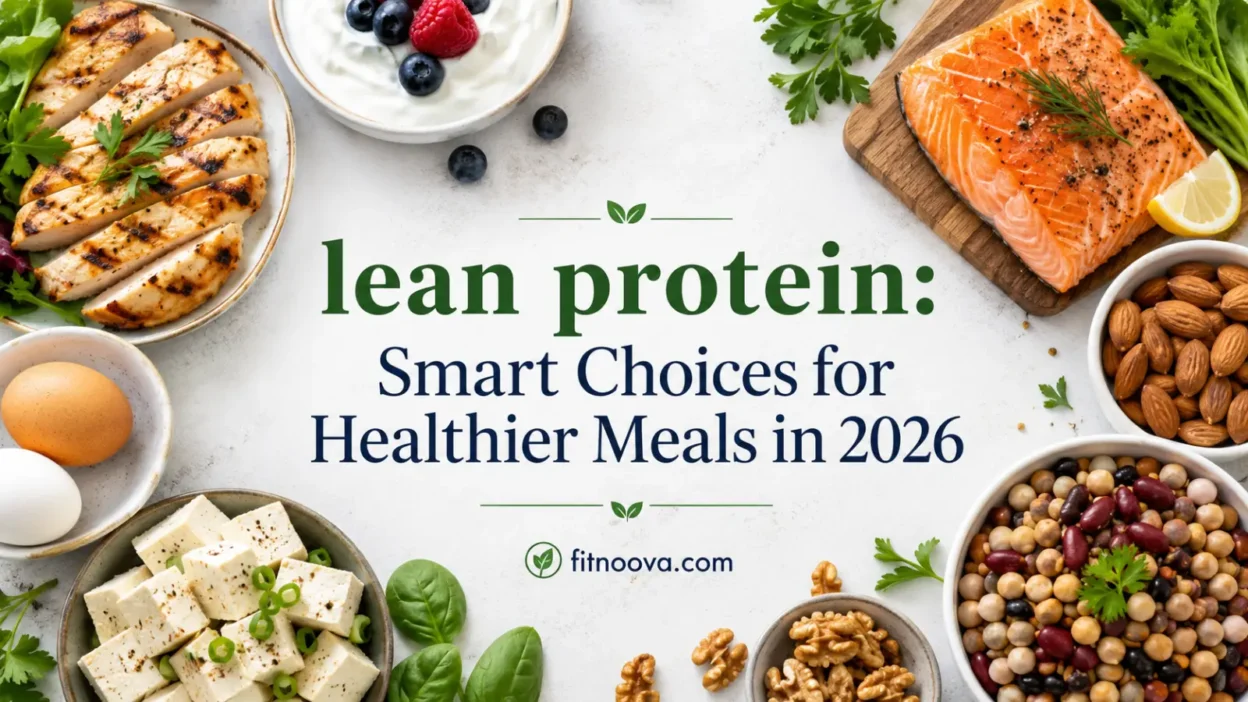
lean protein can help you build meals that feel filling without adding heavy extras. The best choices usually come from simple, nutrient-dense foods like chicken breast, turkey, fish, eggs, Greek yogurt, beans, lentils, tofu, and low-fat dairy. These options fit well into breakfast, lunch, dinner, and snacks because they support steady energy and make balanced eating easier. Focus on foods that bring quality nutrients with less saturated fat, and pair them with vegetables, whole grains, or fruit for a complete plate. The goal is not to make eating strict. It is to choose smart, everyday foods that help you stay full, support muscle repair, and keep meals practical.
Quick Answer
lean protein means foods that give your body important amino acids while keeping extra fat lower. Common options include poultry, fish, eggs, Greek yogurt, beans, lentils, tofu, and low-fat dairy. These foods can support fullness, balanced meals, and steady energy when paired with fiber-rich sides.
What Lean Protein Actually Means
In everyday nutrition advice, lean protein usually refers to foods that provide a good amount of protein without bringing along too much saturated fat. In real life, that often means choosing simpler protein foods more often and relying less on heavily processed meats or fattier cuts.
The basic idea is not perfection. It is choosing protein sources that help you meet your needs while making the rest of your diet easier to balance.
Why Lean Protein Matters
Protein is an essential nutrient that helps support muscle maintenance, tissue repair, immune function, and many other normal body processes. Lean protein matters because it helps you increase protein intake without depending too much on foods that may also be high in saturated fat, sodium, or extra calories.
For many people, this makes leaner protein choices easier to fit into a practical, sustainable eating pattern.
Best Lean Protein Foods To Eat More Often
Fish And Seafood
Fish and seafood are strong lean protein choices for many people. They provide protein and can fit well into a balanced eating pattern. Options like salmon, tuna, cod, trout, shrimp, and sardines are common choices.
Skinless Chicken And Turkey
Skinless poultry is one of the most practical lean protein options. It is easy to cook, widely available, and works well in meals like rice bowls, wraps, soups, salads, and sheet-pan dinners.
Beans, Peas, And Lentils
Beans, peas, and lentils provide protein along with fiber, which can help meals feel more filling. They are especially useful for people who want to eat less meat without making meals feel incomplete.
Soy Foods
Tofu, tempeh, and edamame are versatile lean protein choices that work well in stir-fries, grain bowls, noodle dishes, and simple lunches.
Eggs
Eggs are a convenient protein option that can fit into breakfast, lunch, or dinner. They are easy to prepare and pair well with vegetables, beans, and whole grains.
Low-Fat Dairy
Low-fat dairy foods like Greek yogurt, cottage cheese, and lower-fat milk can add protein while keeping saturated fat lower than full-fat options.
What Counts Less Often
Not every protein-rich food is a lean protein choice. Foods like sausage, bacon, many deli meats, fried chicken, and fatty cuts of red meat often bring more saturated fat, sodium, or both.
These foods can still fit sometimes, but they are not usually the strongest foundation for most of your protein intake.
How Much Protein Do You Need?
Protein needs vary based on age, body size, activity level, and overall health. A practical approach is to make sure most meals include a real protein source and to spread protein intake across the day instead of saving most of it for dinner.
If you have kidney disease, liver disease, digestive issues, or another medical reason to adjust protein intake, it is best to follow advice from a qualified clinician.
How To Add More Lean Protein Without Overcomplicating Your Diet
Start With One Meal You Repeat Often
The easiest way to improve protein intake is to fix the meal that feels weakest. For some people, that is breakfast. For others, it is lunch or evening snacking.
A few simple upgrades include adding Greek yogurt at breakfast, beans or chicken to lunch, or fish, tofu, or lentils at dinner.
Build Your Plate Around The Protein Source
A practical meal often starts with the protein source first. Once that is clear, the rest of the plate becomes easier to build.
A simple pattern includes lean protein, a high-fiber carbohydrate, and fruit or vegetables.
Keep Convenience In Mind
Protein is easier to eat consistently when it is easy to prepare. Helpful options include canned tuna, Greek yogurt, cottage cheese, tofu, frozen edamame, lentils, and pre-cooked chicken.
Read Labels On Packaged Foods
Not every food marketed as high in protein is automatically a strong everyday option. Some packaged foods also come with extra sodium, added sugars, or saturated fat. It helps to compare products and keep the overall food quality in mind.
Practical Meal Ideas With Lean Protein
Breakfast
Greek yogurt with berries and oats, eggs with vegetables and toast, or cottage cheese with fruit can all work well.
Lunch
A chicken grain bowl, lentil soup, tuna wrap, or tofu leftovers can make lunch more filling and balanced.
Dinner
Baked salmon with potatoes, turkey chili with beans, tofu with rice and vegetables, or a chicken fajita bowl are simple examples.
Snacks
Greek yogurt, edamame, cottage cheese, roasted chickpeas, and hard-boiled eggs are easy protein-focused snack options.
Common Mistakes To Avoid
Treating Protein As The Only Thing That Matters
A meal can be high in protein and still not be especially balanced. Overall food quality still matters.
Assuming More Is Always Better
Eating enough protein is useful, but more is not always better if it pushes out fiber-rich foods or makes your overall diet less balanced.
Relying Too Heavily On Processed Meats
Deli meats, bacon, sausage, and heavily processed frozen meals may provide protein, but they often come with more sodium and saturated fat.
Forgetting About Cooking Method
A lean protein can become a less balanced meal if it is deep-fried or covered in heavy sauces.
Ignoring The Rest Of The Day
Many people focus on protein only at dinner. Spreading it across meals often works better for fullness and consistency.
FAQ
Is lean protein good for weight loss?
Lean protein can help make meals more filling and easier to balance, which may support a weight-loss plan. But it works best as part of an overall eating pattern, not as a stand-alone fix.
What is the leanest meat to eat?
Skinless chicken or turkey breast is often one of the leanest meat options. Some fish and seafood are also very lean.
Are eggs considered lean protein?
Eggs are a practical whole-food protein choice and can fit well into a balanced diet.
Are beans a good source of lean protein?
Yes. Beans, peas, and lentils are strong protein foods and also provide fiber.
Do I need protein powder to eat more lean protein?
No. Most people can get more protein from regular foods like fish, poultry, yogurt, eggs, beans, lentils, and tofu.
Is red meat a lean protein?
Some cuts of red meat are leaner than others, but many red meat options contain more saturated fat than fish, skinless poultry, or plant proteins.
Conclusion
lean protein works best when it becomes part of a simple, balanced eating pattern. Choose options that fit your taste, budget, and schedule, then build meals with vegetables, whole grains, healthy fats, and fiber-rich foods. You do not need perfect meals to make better choices. Start with one smart swap today.