If you’re wondering whether to eat protein before or after workout sessions, the honest answer is simpler than most fitness advice makes it sound: both can work, and neither has to be perfect. For most people, total daily protein, consistent meals, and steady training matter more than racing to drink a shake the second you finish your last rep.
That does not mean timing is useless. Protein around training can support muscle repair and make it easier to hit your daily needs. But the “best” time depends on when you last ate, what kind of workout you’re doing, how hard you trained, and what your stomach tolerates.
Quick Answer
Protein before or after a workout can both support muscle repair and recovery. If you ate a protein-rich meal within a few hours before training, you do not need to rush into another serving immediately afterward. If you trained fasted, had a long or intense session, or will not eat a meal soon, having protein after your workout is a smart move.
Is Protein Better Before or After a Workout?
For beginners and everyday gym-goers, the better question is not “before or after?” It is “Have I had enough protein today?”
Research on protein timing generally shows that eating enough total protein across the day is more important than hitting a narrow post-workout window. A meta-analysis on protein timing found that total protein intake was the strongest predictor of muscle-size outcomes, not the exact timing of protein around the workout.
Still, protein close to exercise is useful. The International Society of Sports Nutrition notes that resistance exercise and protein intake both stimulate muscle protein synthesis, and they work together when protein is eaten before or after training.
In plain English: your muscles need the workout signal and the building blocks. Protein provides those building blocks. Whether you get them before or after training is usually less important than getting them consistently.
When Pre-Workout Protein Makes Sense
Pre-workout protein is helpful when you are training several hours after your last meal. It can also be useful if your workout is strength-focused, long, or demanding.
A simple pre-workout meal or snack might include protein plus easy-to-digest carbohydrates. Carbs help fuel training, while protein helps supply amino acids your body can use for repair and adaptation. Mayo Clinic recommends eating a meal with carbohydrates and protein within two hours after exercise when possible, and also emphasizes the connection between food, training, hydration, and recovery.
Good pre-workout options include:
- Greek yogurt with fruit
- Eggs with toast
- A turkey or tofu wrap
- Cottage cheese with berries
- A smoothie with milk, fruit, and protein
- Oatmeal with protein powder stirred in after cooking
Timing matters for comfort. A full meal usually works best two to four hours before training. A smaller snack may work better 30 to 90 minutes before exercise, especially if you get stomach discomfort during workouts.
When Post-Workout Protein Matters More
Post-workout protein becomes more important when you trained without eating first, had a hard strength session, did a long endurance workout, or will not have a regular meal for several hours.
The old idea that you must consume protein within 30 minutes after training is too rigid. The recovery window is more flexible than that for most people. But waiting all day after a hard workout is not ideal either.
A practical target is to eat a protein-containing meal or snack within about one to two hours after training if your next meal is not already close. This fits well with common sports nutrition guidance and is easier to follow than obsessing over exact minutes.
Good post-workout options include:
- Chicken, rice, and vegetables
- Salmon, potatoes, and salad
- Greek yogurt with granola
- Tofu stir-fry with noodles or rice
- Protein shake with a banana
- Cottage cheese with fruit
- Beans, eggs, or lean meat in a whole-grain wrap
If you are training for muscle growth, post-workout protein is not magic on its own. It works best alongside progressive strength training, enough total food, sleep, and recovery.
How Much Protein Should You Eat Around a Workout?
A useful serving for many adults is about 20 to 40 grams of high-quality protein before or after training. ISSN guidance notes that general per-serving recommendations for maximizing muscle protein synthesis are about 0.25 grams of high-quality protein per kilogram of body weight, or roughly 20 to 40 grams.
That does not mean everyone needs 40 grams after every workout. Smaller adults, beginners, and people doing lighter sessions may do well with the lower end. Larger adults, older adults, highly active people, or those doing demanding resistance training may need more.
For context, the standard Recommended Dietary Allowance for protein is designed to meet basic needs for healthy people, not necessarily to optimize muscle gain or athletic recovery. NIH explains that Dietary Reference Intakes vary by age and sex and are used to plan and assess nutrient intake in healthy people.
Approximate protein amounts:
| Food | Approximate Protein |
|---|---|
| 1 cup Greek yogurt | 20 grams |
| 3 ounces chicken breast | 25 grams |
| 2 eggs | 12 grams |
| 1 scoop whey or plant protein | 20–25 grams |
| 1 cup cottage cheese | 25 grams |
| 1 cup cooked lentils | 18 grams |
| 3 ounces salmon | 22 grams |
| 1 cup tofu | 20 grams |
Use these as rough planning numbers, not strict rules.
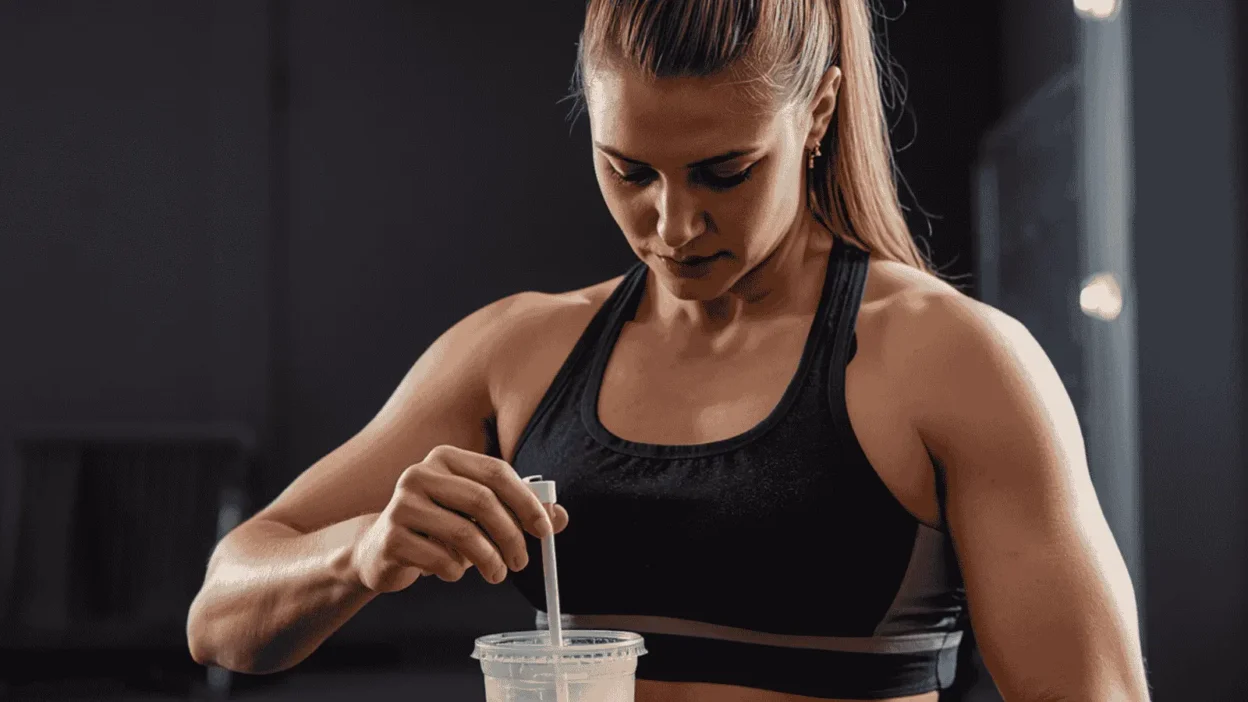
Should You Use a Protein Shake Before or After a Workout?
A protein shake is convenient, not required. It can be useful if you train early, have a small appetite after exercise, commute from the gym, or struggle to hit your protein target with meals.
Whole foods are usually more filling and provide additional nutrients. Protein powder can fill a gap, but it should not become your entire nutrition strategy.
If you use protein powder, choose one that is simple, third-party tested when possible, and easy on your stomach. Dietary supplements are regulated differently than drugs; the FDA states it is not authorized to approve dietary supplements for safety and effectiveness before they are marketed.
That does not mean all protein powders are unsafe. It means the label deserves a closer look.
What About Carbs?
Protein gets most of the attention, but carbs matter too, especially if you train hard, lift with volume, run, cycle, play sports, or exercise again within 24 hours.
Carbohydrates help replenish muscle glycogen, which is stored fuel your body uses during exercise. Pairing carbs with protein after training is often more useful than protein alone, especially after longer or more intense sessions. Mayo Clinic’s post-workout examples include foods that combine protein and carbohydrates, such as yogurt and fruit, peanut butter sandwiches, smoothies, and turkey on whole-grain bread.
Simple post-workout pairings:
- Protein shake plus banana
- Eggs plus toast
- Greek yogurt plus fruit
- Chicken plus rice
- Tuna plus crackers
- Tofu plus noodles
- Cottage cheese plus berries
If your workout was short and easy, you do not need to force a special recovery meal. Your next balanced meal is usually enough.
A Simple Protein Timing Plan For Beginners
You do not need a complicated schedule. Start with this:
If You Train In The Morning
If you can eat before training, try a small snack such as yogurt, milk, a banana with peanut butter, or a protein smoothie. If you prefer training fasted, have a protein-rich breakfast afterward.
If You Train At Lunch
Eat a balanced breakfast with protein. After your workout, have lunch with protein and carbs, such as a bowl with chicken, tofu, beans, rice, vegetables, and sauce.
If You Train After Work
Have a protein-containing lunch and, if needed, a small snack before training. Dinner can be your post-workout meal.
If You Train Late At Night
Keep it simple. Choose something that digests well and does not disrupt your sleep, such as Greek yogurt, eggs, cottage cheese, tofu, or a small shake.
Common Mistakes To Avoid
Treating The Post-Workout Window Like A Deadline
You do not lose your progress because you missed a shake by 20 minutes. If your meals are consistent and your daily protein is adequate, timing is a detail, not the foundation.
Taking Protein But Undereating Overall
Muscle recovery requires enough total food. If your calories are extremely low, a protein shake will not fully make up for poor fueling.
Skipping Carbs Before Hard Training
Protein helps repair; carbs help fuel. If your workouts feel flat, your issue may be low carbohydrate intake, not protein timing.
Using Protein Powder As A Meal Replacement By Default
A shake can help in a pinch, but regular meals give you fiber, micronutrients, and more satisfaction.
Ignoring Digestion
The “best” pre-workout protein is not helpful if it makes you nauseated during squats or sprints. Choose foods that sit well.
Assuming More Protein Always Means Better Results
There is a point where extra protein adds little benefit if your training, sleep, and overall diet are not in place. A large meta-analysis in resistance training found that protein supplementation helped strength and muscle-size gains, but benefits for fat-free mass appeared to plateau beyond about 1.62 grams per kilogram per day.
Who Should Be More Careful With Protein Advice?
Most healthy adults can include protein before or after workouts without concern. But some people should get individualized guidance before raising protein intake significantly, including those with kidney disease, certain metabolic conditions, complex medical histories, pregnancy-related nutrition needs, or a history of disordered eating.
Also be careful if workout nutrition rules make you anxious or rigid. Protein timing should make training easier to support, not turn meals into a source of stress.
FAQ
Is it better to eat protein before or after a workout?
Either can work. If you ate protein within a few hours before exercise, your post-workout timing can be more flexible. If you trained fasted or will not eat soon, protein after your workout is the better choice.
How soon after a workout should I eat protein?
A practical target is within one to two hours after training, especially if your last protein-rich meal was several hours earlier. You do not need to panic about a strict 30-minute window.
Can I drink a protein shake before a workout?
Yes. A shake before a workout can work well if it digests comfortably and helps you meet your daily protein needs. If it feels heavy, use a smaller serving or have it earlier.
Do I need protein after cardio?
It depends on the cardio. After an easy walk or short light session, a normal meal is usually enough. After long runs, cycling, intervals, sports, or combined cardio and lifting, protein plus carbs can support recovery.
Is protein timing important for weight loss?
Protein timing is less important than total daily intake, calorie balance, food quality, and strength training. Still, protein-rich meals can help with fullness and muscle retention during weight loss.
What if I work out fasted?
Fasted training is fine if you feel good doing it. Afterward, try to eat a meal or snack with protein and carbs within a reasonable window, especially after strength training or intense cardio.
Conclusion
The best answer to protein before or after workout is not one or the other for everyone. If you train after a protein-rich meal, you are already covered for a while. If you train fasted, train hard, or will not eat soon, prioritize protein after your workout.
For most people, the winning formula is steady: eat enough protein across the day, include carbs when training demands it, choose foods you digest well, and train consistently. Protein timing can help, but it should support your routine—not control it.