Sore muscles recovery is usually less about finding a hack and more about doing the basics well. Most post-workout soreness is delayed onset muscle soreness, or DOMS, which tends to show up about one to three days after a new or harder-than-usual workout and improves on its own as your body adapts.
Quick Answer
If your muscles feel sore after exercise, the most useful recovery steps are light movement, enough sleep, normal hydration, and regular meals that include protein and carbohydrates. Mild soreness is common after a new exercise, more volume, or a harder session, but sharp pain, major swelling, dark urine, or weakness that does not improve are not normal recovery signs.
What Sore Muscles Usually Mean
The most common reason you feel sore after training is DOMS. It is different from the burning feeling you get during a hard set. DOMS usually starts later, often the next day or the day after, especially when you introduce a new movement, return after a break, or increase intensity, load, or volume.
That soreness can include tenderness, stiffness, tightness, and discomfort when you stretch or contract the muscle. In most cases, it is temporary and settles as your body gets used to the work.
What it does not automatically mean is that you had an amazing workout. Soreness can happen after productive training, but it is not a requirement for progress. If you are sore for days after nearly every session, that can be a sign your training load, exercise selection, or recovery habits need work.
The Best Approach To Sore Muscles Recovery
Keep Moving, But Dial The Effort Down
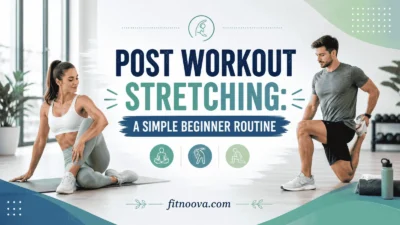
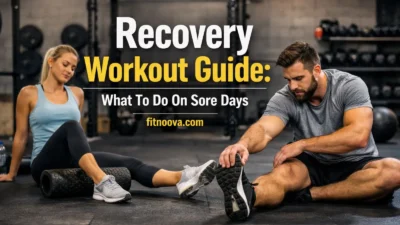
For most people, gentle movement helps more than complete inactivity. Easy walking, light cycling, easy swimming, mobility work, or a low-key yoga session can reduce stiffness and help you feel better without piling on more fatigue.
The key is intensity. Recovery work should feel easy enough that you finish feeling looser, not more beaten up. If your form is off, your range of motion is clearly limited, or the soreness worsens as you move, back off.
Sleep Like Recovery Actually Matters
Sleep is not a bonus recovery tool. It is the foundation. Sports medicine guidance consistently points to sleep as a major part of how the body repairs and adapts after training.
If you train hard but sleep poorly, recovery tends to drag. For many adults, aiming for a consistent seven to nine hours is a realistic target.
Rehydrate And Eat Normally
You do not need a complicated recovery stack for basic soreness. Replacing fluids after exercise matters, especially if you trained hard, sweated a lot, or exercised in the heat. Balanced meals also help: after training, protein supports muscle repair, and carbohydrates help refill energy stores.
For most readers, that looks like normal food:
- yogurt and fruit
- eggs and toast
- chicken, rice, and vegetables
- tofu with potatoes and greens
- milk or a simple snack if a full meal is not practical
You do not need to eat perfectly. You do need to eat enough.
Use Heat, Cold, Or Massage For Symptom Relief, Not As Magic Fixes
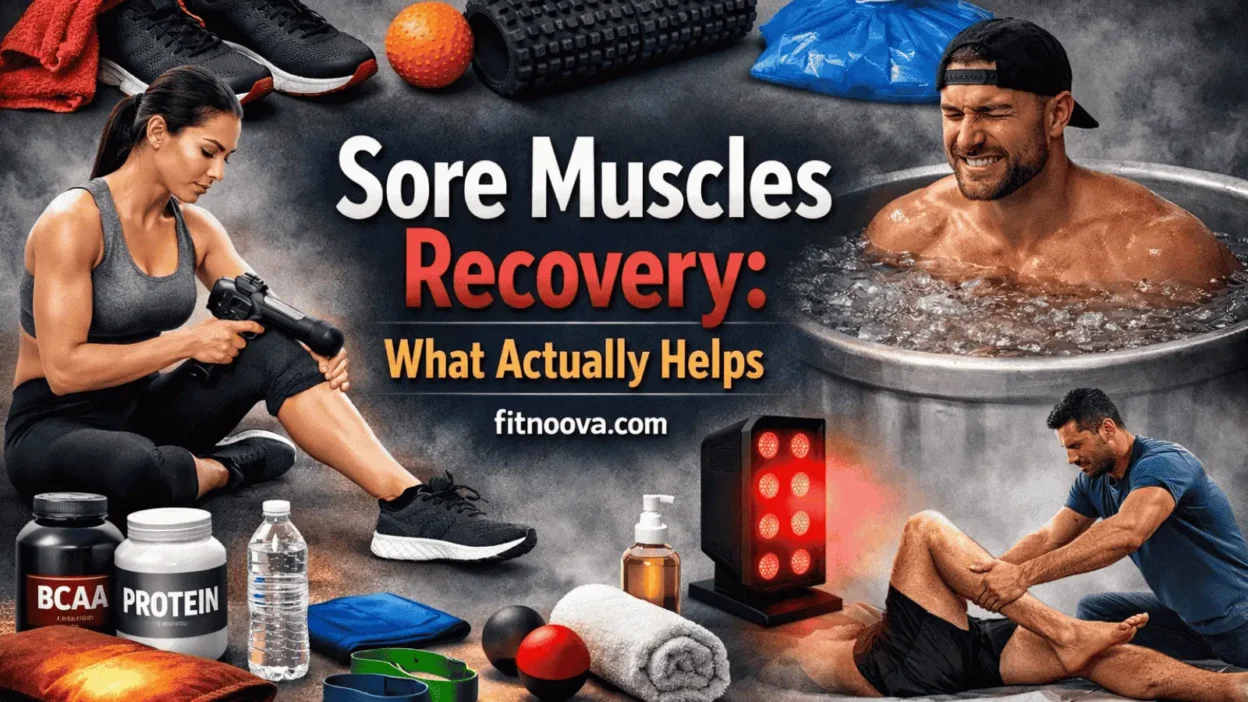
Some people feel better with a warm shower, heating pad, or warm bath. Others prefer cold water or a cold pack, especially if the area feels irritated. These can help you feel more comfortable, but they do not replace rest, sleep, and sensible training. Cleveland Clinic also notes that massage may help relieve sore muscles.
A fair way to think about these options is simple: if they make you feel better and do not aggravate symptoms, they are reasonable tools. Just do not mistake temporary relief for full recovery.
What Helps Most In The Next 24 To 72 Hours
If you are dealing with ordinary post-workout soreness, this is the practical playbook:
Day 1
Do easy movement, stay hydrated, and eat a normal meal with protein and carbs. Avoid testing yourself with another all-out session just to see if you are recovered.
Day 2
If soreness peaks, keep activity light to moderate. You can still train, but choose a different muscle group or reduce load, volume, and intensity. DOMS commonly shows up strongest during this window.
Day 3 And Beyond
You should start noticing improvement. If you feel mostly normal, return to regular training gradually. If soreness is lingering, scale the next workout instead of jumping back in at full effort.
Should You Work Out When You’re Sore?
Usually, yes, if the soreness is mild and your movement quality is still good. Mild DOMS is often manageable with a lighter session or by training a different area. Cleveland Clinic notes that muscle soreness after exercise is common, especially when you are new to an activity or coming back after time off.
A good rule is this:
- train through mild, general soreness
- modify training for moderate soreness
- stop and reassess for sharp pain, joint pain, limping, or obvious weakness
If you cannot squat with normal control, lower a weight safely, or keep decent technique, it is not the right day to push.
The Most Common Reasons You Stay Sore Too Long
You Did Too Much Too Soon
This is the classic beginner mistake. New exercises, eccentric loading, high-rep finishers, and too much volume all at once are a reliable recipe for severe soreness. DOMS is especially common after unfamiliar or more intense exercise.
You Keep Turning Recovery Days Into Hard Days
Active recovery should feel easy. If your “recovery workout” leaves you breathing hard or adds more fatigue, it is just another workout.
Your Program Has No Progression
Going from zero to five hard workouts a week is not disciplined. It is sloppy programming. The CDC’s adult guidance still comes back to a sustainable baseline: at least 150 minutes of moderate activity per week and muscle-strengthening work on two days a week. That is a better starting point than trying to cram everything into a few punishing sessions.
You Are Undersleeping And Undereating
Poor sleep and low energy intake make recovery harder. You may still be able to force workouts, but you should not expect your body to bounce back well.
What To Avoid
A few habits tend to make sore muscles recovery worse:
- repeating the same hard workout before soreness settles
- using soreness as proof you need to push harder
- turning warm-ups into nothing and cool-downs into an afterthought
- masking worsening pain with painkillers so you can train through it
- jumping straight into max loads after a long break
Cooling down does not need to be elaborate, but a few minutes of easy movement and gentle stretching after exercise is a reasonable habit. NHS guidance supports a gradual cool-down and simple post-exercise stretching.
When Soreness Is Not Normal
Normal muscle soreness is dull, tender, stiff, and temporary. It is less normal when pain is sharp, one-sided, or tied to a specific injury moment.
Slow down and consider medical advice if you have:
- severe swelling
- significant weakness
- bruising
- pain that keeps getting worse instead of easing
- symptoms that persist for several days without improvement
- dark or tea-colored urine after intense exercise
Those last symptoms matter because severe muscle pain, swelling, weakness, and dark urine can be warning signs of rhabdomyolysis, which needs urgent medical attention.
A Simple Weekly Strategy To Reduce Future Soreness
You cannot eliminate soreness completely, but you can make it more manageable.
Start Conservatively
Leave a little in the tank for the first one to two weeks of a new routine.
Repeat Key Movements
Your body adapts better when you practice the same basic patterns consistently instead of chasing random novelty every workout.
Progress One Variable At A Time
Increase either load, reps, sets, or training frequency, not all of them together.
Keep One Or Two Easy Days In The Week
That can be a full rest day or a true active recovery day with light movement.
Respect Technique
Bad reps create problems that recovery tools cannot fix.
FAQ
How long should sore muscles last?
Typical DOMS often starts within one to three days after exercise and then improves. Mild soreness may pass quickly, while harder sessions can leave you sore for a few days. If it is getting worse instead of better, or comes with swelling, weakness, or dark urine, do not treat it as routine soreness.
Is stretching enough for sore muscles recovery?
Stretching can help you feel less stiff, especially after a cool-down, but it is only one piece of recovery. Light movement, sleep, hydration, and food matter more overall.
Should I rest completely or stay active?
Most people do better with light activity than full inactivity when the soreness is mild. Walking, cycling easily, swimming, or mobility work can help. The goal is to feel better afterward, not tired.
Do I need supplements for sore muscles recovery?
Usually not. For basic post-workout soreness, the essentials are enough: fluids, regular meals, protein, carbohydrates, and sleep. Supplements are optional, not the foundation.
Can I lift weights again if I’m still sore?
Yes, if the soreness is mild and your form is still solid. Lower the load, reduce total volume, or train a different muscle group. If your movement is clearly compromised, take an easier day.
Conclusion
Sore muscles recovery usually comes down to patient, boring things that work: easy movement, enough sleep, normal hydration, adequate food, and smarter training progression. Mild soreness after a new or harder workout is common, but severe pain, swelling, weakness, or dark urine are not signs to push through. If you treat soreness as feedback instead of a badge of honor, recovery gets easier and training becomes a lot more sustainable.