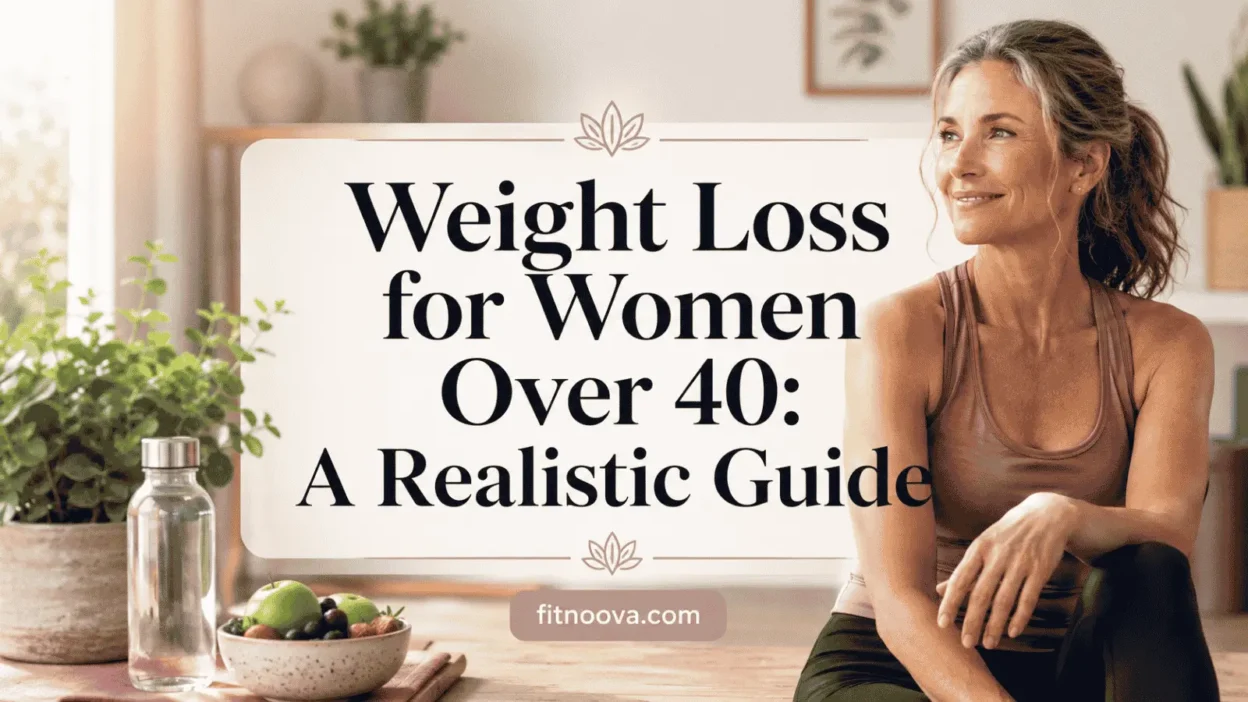
Weight loss for women over 40 can feel different than it did in your 20s or 30s, and that is not your imagination. Hormonal shifts, lower muscle mass, busier schedules, sleep changes, stress, and years of dieting can all change how your body responds. The solution is not to eat as little as possible or punish yourself with intense workouts. It is to build a smarter, more sustainable plan around strength training, daily movement, protein-rich meals, recovery, and habits you can repeat.
This guide explains what changes after 40, what actually helps, what to stop wasting energy on, and how to create a realistic routine that supports fat loss without wrecking your energy, mood, or relationship with food.
Quick Answer
For women over 40, the most effective weight-loss approach is a steady calorie deficit paired with strength training, enough protein, regular cardio, better sleep, and realistic consistency. The goal is not fast weight loss; it is losing body fat while protecting muscle, energy, bone health, and long-term health. Most women do best with a plan they can repeat for months, not a strict diet they can only tolerate for two weeks.
Why Weight Loss Can Feel Harder After 40
Weight loss after 40 is not impossible, but the “just eat less and exercise more” advice often misses the bigger picture.
During midlife, many women experience changes in body composition. Muscle mass tends to decline with age, and lower muscle mass can reduce daily energy expenditure. Perimenopause and menopause can also influence where body fat is stored, with more fat often shifting toward the abdomen. The Office on Women’s Health notes that menopause is linked with changes that can affect weight, sleep, mood, and overall health.
At the same time, life often gets more demanding. You may be managing work, family, aging parents, stress, less sleep, or less time for exercise. Those factors matter because weight loss is not just a math equation on paper. It is a behavior pattern you have to live with.
The good news: the basics still work. They just need to be applied differently. After 40, the best plan usually emphasizes muscle preservation, food quality, consistency, stress management, and recovery instead of aggressive restriction.
The Best Weight-Loss Strategy for Women Over 40
A strong plan has five parts:
- Eat enough nutritious food while creating a modest calorie deficit.
- Strength train two to four times per week.
- Add cardio and daily walking without overdoing it.
- Prioritize sleep and recovery.
- Track progress with more than the scale.
You do not need perfection in all five areas. You need enough consistency across most of them to create momentum.
Start With a Modest Calorie Deficit, Not a Crash Diet
Fat loss requires using more energy than you take in over time, but the size of the deficit matters. A very low-calorie diet may produce quick scale changes at first, but it can also increase hunger, reduce training quality, make social eating harder, and raise the chance of rebound weight gain.
A better starting point is to reduce portions slightly and improve food quality before making the plan more restrictive. That may look like:
- Adding protein to breakfast instead of skipping it
- Replacing grazing with planned meals and snacks
- Reducing liquid calories
- Keeping higher-calorie treats, but eating them intentionally
- Building meals around protein, plants, and fiber-rich carbohydrates
The CDC describes a healthy eating pattern as one that emphasizes vegetables, fruits, protein foods, dairy without added sugars, healthy fats, and whole grains. That is a useful foundation because it supports fullness, nutrient intake, and long-term health while still allowing flexibility.
Eat More Protein Than You Used To
Protein becomes more important after 40 because it helps support muscle maintenance, fullness, and recovery from training. This does not mean every meal needs to be built around a giant steak or protein shake. It means protein should stop being an afterthought.
Good options include:
- Greek yogurt or cottage cheese
- Eggs or egg whites
- Chicken, turkey, lean beef, or fish
- Tofu, tempeh, edamame, or lentils
- Beans paired with higher-protein foods
- Protein powder when convenience matters
A simple target is to include a palm-sized serving of protein at most meals. If you strength train, are actively losing weight, or often feel hungry soon after meals, you may benefit from a more intentional protein target. Anyone with kidney disease or a medical condition requiring protein limits should follow their clinician’s guidance.
Build Meals That Keep You Full
Many women over 40 do not struggle because they lack willpower. They struggle because their meals are too small, too low in protein, too low in fiber, or too snack-heavy to keep them satisfied.
A practical fat-loss plate looks like this:
- Half the plate: vegetables or fruit
- One quarter: protein
- One quarter: high-fiber carbohydrates such as potatoes, oats, beans, lentils, brown rice, or whole grains
- Add: a small amount of healthy fat, such as olive oil, avocado, nuts, or seeds
This structure works because it is simple, flexible, and repeatable. It can fit a home-cooked dinner, a work lunch, or a restaurant meal.
Strength Training Is Non-Negotiable After 40
If weight loss is the goal, cardio helps. But strength training is what helps protect the shape, strength, and function of your body while you lose fat.
The CDC recommends that adults do muscle-strengthening activities at least two days per week, along with at least 150 minutes of moderate-intensity aerobic activity weekly. The National Institute on Aging also highlights the importance of strength training for healthier bodies as people age, especially because muscle mass is a “use it or lose it” tissue.
You do not need to train like a bodybuilder. You need to challenge your muscles consistently.
A Simple Weekly Strength Plan
For beginners, start with two or three full-body sessions per week. Each workout should include these movement patterns:
- Squat or sit-to-stand movement
- Hip hinge, such as a Romanian deadlift or glute bridge
- Push, such as a push-up or chest press
- Pull, such as a row
- Core stability, such as a plank or dead bug
- Loaded carry or balance work if appropriate
A beginner workout might look like this:
Workout A
- Chair squat: 2 to 3 sets of 8 to 12 reps
- Dumbbell Romanian deadlift: 2 to 3 sets of 8 to 10 reps
- Incline push-up: 2 to 3 sets of 6 to 10 reps
- One-arm dumbbell row: 2 to 3 sets of 8 to 12 reps per side
- Dead bug: 2 sets of 6 to 10 reps per side
Workout B
- Step-up: 2 to 3 sets of 8 to 10 reps per side
- Glute bridge: 2 to 3 sets of 10 to 15 reps
- Dumbbell shoulder press: 2 to 3 sets of 8 to 10 reps
- Band row or cable row: 2 to 3 sets of 10 to 12 reps
- Side plank: 2 short holds per side
Use a weight that feels challenging but controlled. Most sets should end with about two or three good reps left in the tank. If your form breaks down, the weight is too heavy or the set has gone too long.
Cardio Helps, But More Is Not Always Better
Cardio supports heart health, calorie expenditure, stamina, mood, and blood-sugar control. It can also help with weight loss when paired with nutrition. But doing more and more cardio while eating too little can backfire by increasing fatigue and hunger.
Start with what you can recover from. For many women, that means:
- Brisk walking most days
- Two or three moderate cardio sessions per week
- Shorter sessions when stress or sleep is poor
- Low-impact options if joints are sensitive
Walking is underrated because it is repeatable. A 20- to 30-minute walk after lunch or dinner can support movement goals without requiring gym clothes, high motivation, or a long recovery window.
Sleep and Stress Can Affect Your Weight-Loss Consistency
Poor sleep does not erase your effort, but it can make weight loss harder. It often increases cravings, lowers motivation to train, and makes hunger harder to manage. Midlife sleep can also be disrupted by perimenopause symptoms, stress, alcohol, late meals, or inconsistent routines.
Start with the basics:
- Keep a consistent wake time when possible
- Reduce alcohol close to bedtime
- Limit late-night scrolling
- Keep the bedroom cool and dark
- Avoid making intense workouts your only stress outlet
- Talk with a healthcare professional if night sweats, insomnia, snoring, or severe fatigue are ongoing
Stress matters too. Many women over 40 are not failing because they do not know what to do. They are overloaded. A realistic plan should reduce decision fatigue, not add another full-time job.
What Progress Should Look Like
Healthy weight loss is not linear. Scale weight can rise from water retention, sore muscles, salty meals, constipation, menstrual-cycle changes, travel, or poor sleep. That does not mean the plan is failing.
Track several markers:
- Waist measurement
- How clothes fit
- Strength in workouts
- Daily energy
- Hunger and cravings
- Sleep quality
- Average weekly weight, not one weigh-in
- Consistency with meals and movement
For many women, losing about 0.5 to 1 pound per week is a reasonable pace. Some weeks will be slower. Some weeks the scale will not move at all. The question is not “Did the scale drop today?” It is “Are my habits repeatable enough to keep going?”
A Realistic 7-Day Weight-Loss Routine for Women Over 40
This is a sample structure, not a rulebook. Adjust it based on your fitness level, schedule, joints, sleep, and medical needs.
Monday: Full-Body Strength
Do Workout A. Keep the effort moderate and focus on form. Finish with a 10-minute easy walk if you have time.
Tuesday: Walk And Mobility
Take a 25- to 40-minute brisk walk. Add five minutes of gentle hip, back, and shoulder mobility.
Wednesday: Full-Body Strength
Do Workout B. Add weight only if your reps feel controlled and pain-free.
Thursday: Easy Cardio
Choose cycling, walking, swimming, elliptical, or another low-impact option for 20 to 35 minutes. You should be able to speak in short sentences.
Friday: Strength Or Active Recovery
If you recover well, repeat Workout A with slightly lighter effort. If you feel worn down, take a walk and stretch instead.
Saturday: Longer Walk Or Enjoyable Activity
Do something active that does not feel like punishment: a hike, dance class, bike ride, long walk, or recreational sport.
Sunday: Rest And Meal Setup
Rest, do light movement, and prepare two or three easy protein options for the week.
Common Mistakes That Slow Progress
Eating Too Little During The Day
Skipping breakfast, picking at lunch, and then overeating at night is common. It is not a character flaw; it is often biology. More balanced meals earlier in the day can make evenings easier.
Doing Only Cardio
Cardio is useful, but relying on it while ignoring strength training can make it harder to preserve muscle. Strength work should be part of the plan even if fat loss is the main goal.
Changing Everything At Once
A strict diet, daily workouts, no sugar, no alcohol, 10,000 steps, and 5 a.m. wake-ups might sound productive, but too much change at once usually collapses. Start with the two or three habits that will make the biggest difference.
Ignoring Recovery
Soreness is not the goal. Progress comes from training, recovering, and repeating. If your joints ache, your sleep is poor, or your performance keeps dropping, reduce intensity before quitting completely.
Chasing Menopause “Hacks”
There is no special menopause trick that overrides the basics. Hormones matter, but the foundation still includes strength training, enough protein, nutrient-dense meals, movement, sleep, and consistency. Mayo Clinic notes that menopause-related weight gain is influenced by aging, lifestyle, and genetic factors, not hormones alone.
When To Get Medical Guidance
General weight-loss advice is not a substitute for personal medical care. Consider speaking with a healthcare professional if you have:
- Rapid or unexplained weight gain
- New fatigue, hair loss, constipation, or cold intolerance
- Irregular bleeding after menopause
- Chest pain, dizziness, or unusual shortness of breath during exercise
- A history of eating disorder behaviors
- Diabetes, thyroid disease, kidney disease, heart disease, or osteoporosis
- Joint pain that worsens with activity
- Menopause symptoms that seriously disrupt sleep or daily life
It is also worth reviewing medications with a clinician if weight changed after starting or changing a prescription.
FAQ
Why is weight loss harder for women over 40?
Weight loss can feel harder after 40 because muscle mass, hormones, sleep, stress, activity levels, and recovery can all change. The basics still work, but most women need a more strategic plan that protects muscle and supports consistency.
What is the best exercise for weight loss for women over 40?
The best plan combines strength training, walking, and moderate cardio. Strength training helps preserve muscle, while walking and cardio support heart health and calorie expenditure. Beginners should start with two full-body strength workouts per week and build gradually.
Can menopause cause belly fat?
Menopause can contribute to changes in fat distribution, with more fat often stored around the abdomen. Aging, reduced activity, sleep disruption, stress, and genetics also play a role, so the most effective approach is still a full lifestyle strategy rather than a single hormone-focused fix.
How many calories should a woman over 40 eat to lose weight?
There is no single calorie target that works for every woman. Body size, activity level, medical history, dieting history, and goals all matter. A better starting point is to build balanced meals, reduce obvious excess calories, increase protein and fiber, and adjust based on progress over several weeks.
Is intermittent fasting good for women over 40?
Intermittent fasting can help some people reduce calorie intake, but it is not required for fat loss. It may not be a good fit if it leads to overeating later, poor workout energy, irritability, or a more stressful relationship with food.
How often should women over 40 lift weights?
Two to four days per week works well for most women. Beginners can start with two full-body workouts. More experienced lifters may prefer three or four sessions, as long as recovery, sleep, and joint comfort remain good.
Conclusion
Weight loss for women over 40 works best when it is steady, strength-focused, and realistic. You do not need a punishing diet, daily intense workouts, or a perfect routine. You need enough protein, a modest calorie deficit, regular strength training, enjoyable movement, better recovery, and habits you can repeat during normal weeks.
The goal is not just to weigh less. It is to feel stronger, protect your health, maintain muscle, and build a way of eating and moving that still makes sense months from now.