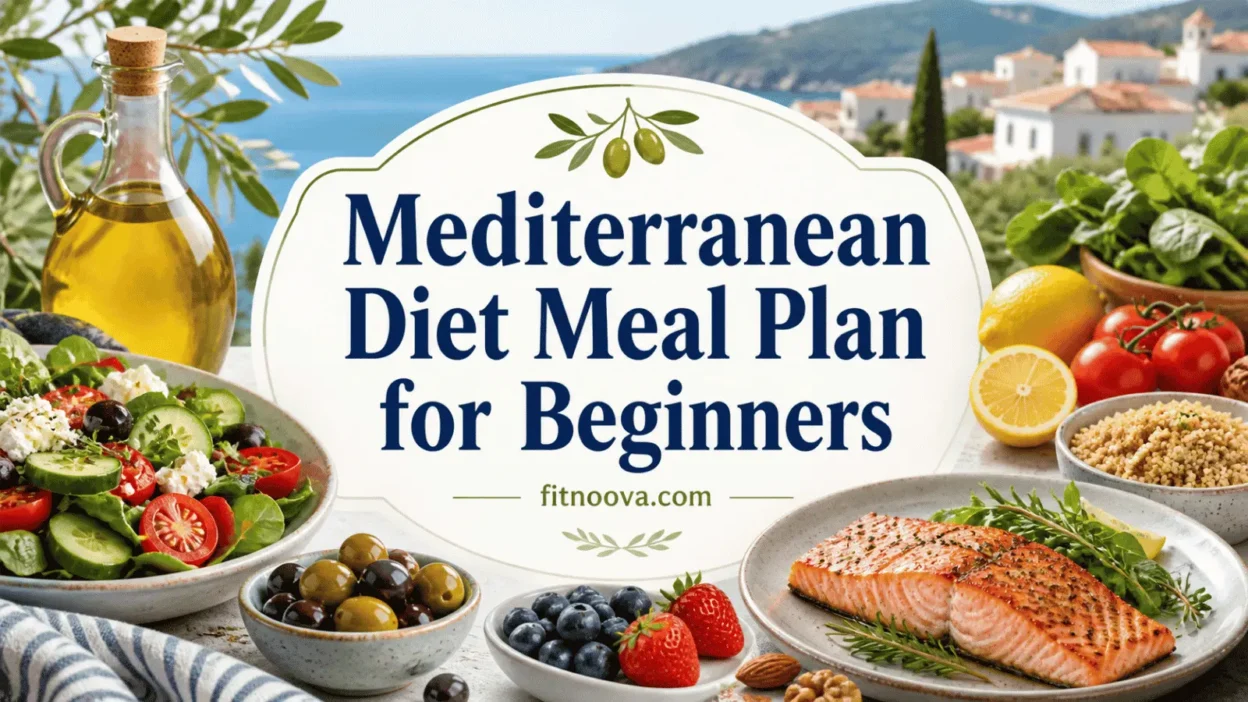
A Mediterranean diet meal plan is a simple way to eat more vegetables, fruits, beans, whole grains, fish, nuts, seeds, and olive oil without following a rigid diet. It is less about strict rules and more about building meals around minimally processed foods, satisfying flavors, and habits you can repeat.
The Mediterranean eating pattern is widely recognized for supporting heart health and overall wellness because it emphasizes plant-forward meals, unsaturated fats, and fewer highly processed foods. The American Heart Association describes it as a heart-healthy approach centered on vegetables, fruits, whole grains, beans, nuts, seeds, olive oil, fish, and poultry, with limited sweets and red meat.
Quick Answer
A good Mediterranean diet meal plan includes mostly vegetables, fruits, whole grains, legumes, nuts, seeds, extra-virgin olive oil, herbs, and spices, plus moderate amounts of fish, poultry, eggs, and dairy. For beginners, the easiest approach is to plan 3 to 4 simple breakfasts, lunches, and dinners you can repeat through the week instead of trying to cook something new every day.
What Is The Mediterranean Diet?
The Mediterranean diet is a flexible eating pattern inspired by traditional foods from countries bordering the Mediterranean Sea. There is no single official version, but most Mediterranean-style plans share the same foundation: plenty of plant foods, olive oil as the main added fat, seafood and legumes often, smaller portions of poultry and dairy, and less red meat, sweets, and heavily processed foods.
Harvard’s Nutrition Source describes the pattern as rich in fruits, vegetables, beans, nuts, whole grains, fish, olive oil, and smaller amounts of dairy, with lifestyle factors such as regular movement and shared meals also playing a role. Mayo Clinic similarly notes that the diet emphasizes vegetables, fruits, whole grains, beans, nuts, seeds, olive oil, herbs, and spices, with fish, poultry, legumes, and eggs included weekly.
For someone starting from a typical American diet, this does not mean replacing every familiar meal overnight. A Mediterranean diet meal plan works best when it helps you make better default choices: oatmeal instead of a pastry, lentil soup instead of fast food, salmon with vegetables instead of a heavy takeout dinner, or hummus and whole-grain pita instead of chips and dip.
Mediterranean Diet Food List
Use this food list as your meal-planning base. You do not need every item every week. Pick foods you already like, then add variety over time.
Foods To Eat Often
Vegetables should show up at most meals. Easy options include spinach, arugula, romaine, tomatoes, cucumbers, peppers, zucchini, eggplant, onions, mushrooms, carrots, broccoli, cauliflower, and leafy greens.
Fruits work well at breakfast, as snacks, or as a naturally sweet finish after dinner. Berries, oranges, apples, grapes, pears, peaches, melon, figs, and dates all fit.
Whole grains provide steady, satisfying carbohydrates. Good choices include oats, brown rice, quinoa, farro, barley, bulgur, whole-grain bread, whole-grain pasta, and whole-grain pita.
Legumes are one of the most useful Mediterranean staples. Beans, lentils, chickpeas, split peas, and white beans can turn a salad, soup, grain bowl, or pasta dish into a filling meal.
Healthy fats usually come from extra-virgin olive oil, nuts, seeds, avocado, and fatty fish. Cleveland Clinic notes that extra-virgin olive oil is the main source of fat in the Mediterranean diet.
Protein can come from fish, seafood, beans, lentils, chickpeas, Greek yogurt, eggs, poultry, tofu, and smaller amounts of cheese. Fish such as salmon, sardines, tuna, trout, and cod are especially useful because they are easy to pair with vegetables and grains.
Herbs and spices matter more than beginners realize. Garlic, basil, parsley, oregano, rosemary, dill, mint, cumin, paprika, black pepper, and lemon juice make simple meals taste complete without relying heavily on salt, sugar, or creamy sauces.
Foods To Limit Without Making Them Forbidden
A Mediterranean diet does not require perfection. Still, the pattern generally keeps red meat, processed meats, refined grains, sugary drinks, sweets, butter-heavy foods, and highly processed snacks to smaller or less frequent portions.
That distinction matters. You are not “off plan” because you had dessert at a birthday dinner or a burger on the weekend. The goal is to make your usual meals more nutrient-dense and plant-forward most of the time.
How To Build A Balanced Mediterranean Plate
A simple Mediterranean plate has four parts:
Fill half your plate with vegetables or vegetables plus fruit. Add one quarter plate of protein, such as fish, chicken, beans, lentils, eggs, or Greek yogurt. Add one quarter plate of whole grains or starchy vegetables, such as quinoa, brown rice, farro, whole-grain pasta, potatoes, or whole-grain bread. Finish with a small amount of healthy fat, usually olive oil, nuts, seeds, avocado, or olives.
This structure is easier than counting every gram. It also keeps meals satisfying because you are getting fiber, protein, carbohydrates, and fat in the same meal.
For example, dinner might be grilled salmon, roasted zucchini, tomatoes, and peppers, plus brown rice and a drizzle of olive oil. Lunch might be a chickpea Greek salad with cucumbers, tomatoes, greens, feta, olives, and whole-grain pita. Breakfast might be Greek yogurt with berries, walnuts, and oats.
7-Day Mediterranean Diet Meal Plan
This beginner Mediterranean diet meal plan is designed to be realistic, repeatable, and flexible. Portion sizes should be adjusted based on your appetite, body size, activity level, health goals, and medical needs. If you have diabetes, kidney disease, food allergies, a history of disordered eating, or a condition that requires a specific diet, it is best to work with a qualified clinician or registered dietitian.
Day 1
Breakfast: Greek yogurt with berries, chopped walnuts, and a spoonful of oats.
Lunch: Chickpea salad bowl with cucumbers, tomatoes, greens, olives, feta, lemon juice, olive oil, and whole-grain pita.
Dinner: Baked salmon with roasted broccoli, cherry tomatoes, and quinoa.
Snack: Apple slices with peanut butter or a small handful of almonds.
Day 2
Breakfast: Oatmeal cooked with milk or fortified soy milk, topped with blueberries, cinnamon, and chia seeds.
Lunch: Lentil soup with a side salad and whole-grain bread.
Dinner: Turkey or white bean stuffed peppers with brown rice, herbs, tomato sauce, and a side of greens.
Snack: Carrots and cucumbers with hummus.
Day 3
Breakfast: Whole-grain toast with avocado, tomato, and a boiled egg.
Lunch: Tuna and white bean salad with arugula, red onion, cucumber, olive oil, and lemon.
Dinner: Whole-grain pasta with sautéed vegetables, chickpeas, garlic, olive oil, and a sprinkle of parmesan.
Snack: Orange slices and pistachios.
Day 4
Breakfast: Smoothie with Greek yogurt, berries, spinach, ground flaxseed, and unsweetened milk.
Lunch: Leftover whole-grain pasta with extra greens or a side salad.
Dinner: Chicken kebab-style bowls with brown rice, cucumber-tomato salad, tzatziki, and roasted vegetables.
Snack: Cottage cheese or plain yogurt with fruit.
Day 5
Breakfast: Scrambled eggs with spinach, tomatoes, and whole-grain toast.
Lunch: Hummus and roasted vegetable wrap with a side of fruit.
Dinner: Shrimp or tofu skillet with zucchini, peppers, onions, tomatoes, herbs, and farro.
Snack: Pear with a few walnuts.
Day 6
Breakfast: Overnight oats with chopped apple, cinnamon, walnuts, and plain yogurt.
Lunch: Mediterranean grain bowl with quinoa, lentils, greens, roasted vegetables, olives, and tahini-lemon dressing.
Dinner: Homemade veggie pizza on whole-grain flatbread with tomato sauce, mushrooms, peppers, spinach, and mozzarella.
Snack: Roasted chickpeas or hummus with bell pepper strips.
Day 7
Breakfast: Greek yogurt parfait with strawberries, oats, pumpkin seeds, and a drizzle of honey if desired.
Lunch: Leftover lentil soup or a salmon salad sandwich on whole-grain bread.
Dinner: Sheet-pan chicken or chickpeas with potatoes, carrots, onions, zucchini, olive oil, garlic, lemon, and herbs.
Snack: Grapes with a small piece of cheese.
Simple Mediterranean Diet Grocery List
A good grocery list makes the plan easier to follow. You can swap foods based on budget, taste, season, and what is available.
Produce
Buy a mix of fresh and frozen vegetables. Greens, tomatoes, cucumbers, peppers, onions, zucchini, broccoli, carrots, and frozen spinach are versatile choices. For fruit, choose berries, apples, oranges, grapes, pears, bananas, or whatever is in season.
Proteins
Start with salmon or tuna, chicken breast or thighs, eggs, Greek yogurt, lentils, chickpeas, black beans, white beans, tofu, and hummus. Canned fish and canned beans are especially helpful for quick lunches.
Grains And Starches
Choose oats, quinoa, brown rice, farro, whole-grain pasta, whole-grain bread, whole-grain pita, potatoes, or sweet potatoes.
Fats, Flavor, And Pantry Staples
Keep extra-virgin olive oil, nuts, seeds, olives, tahini, vinegar, canned tomatoes, tomato paste, garlic, herbs, spices, and low-sodium broth on hand. These are the ingredients that make quick meals taste intentional instead of thrown together.
How To Meal Prep Without Spending Your Sunday Cooking
Mediterranean meal prep does not have to mean lining up identical containers for the week. A more flexible method is to prep ingredients you can mix and match.
Cook one grain, such as quinoa, brown rice, or farro. Make one protein, such as baked salmon, chicken, lentils, chickpeas, or boiled eggs. Wash and chop a few vegetables. Make one sauce or dressing with olive oil, lemon juice, garlic, herbs, and yogurt or tahini.
With those basics ready, you can build different meals in minutes. Quinoa can become a lunch bowl, a side for dinner, or a base for a salad. Chickpeas can go into wraps, soups, pasta, or roasted snacks. Greek yogurt can become breakfast, a dip, or a creamy sauce.
Beginner-Friendly Mediterranean Meal Ideas
If you do not want to follow a full seven-day plan, start with a few dependable meals.
For breakfast, try oatmeal with berries and nuts, Greek yogurt with fruit and seeds, whole-grain toast with avocado and egg, or a vegetable omelet with a side of fruit.
For lunch, try lentil soup, a chickpea salad bowl, a tuna and white bean salad, hummus wraps, or leftovers over greens.
For dinner, try salmon with vegetables and quinoa, chicken with roasted potatoes and salad, whole-grain pasta with vegetables and beans, shrimp with farro and zucchini, or a sheet-pan meal with chickpeas, vegetables, olive oil, and herbs.
For snacks, try fruit with nuts, vegetables with hummus, Greek yogurt, roasted chickpeas, whole-grain toast with nut butter, or a small portion of cheese with fruit.
Mediterranean Diet Meal Plan For Weight Loss
A Mediterranean diet meal plan can support weight management, but it is not a magic weight-loss diet. It works best when it helps you eat more filling, nutrient-dense foods while reducing mindless snacking, sugary drinks, large portions of refined carbohydrates, and frequent highly processed meals.
For fat-loss support, focus on practical behaviors: include protein at meals, eat plenty of vegetables, use olive oil thoughtfully rather than pouring freely, choose whole grains most often, keep sweets occasional, and pay attention to hunger and fullness. Nuts, olive oil, avocado, and cheese can all fit, but portions still matter because these foods are calorie-dense.
Avoid turning the Mediterranean diet into another strict plan. Skipping meals, cutting carbohydrates too low, or labeling foods as “clean” and “bad” often backfires. A sustainable plan should leave you satisfied, energized, and able to train, work, sleep, and live normally.
Common Mistakes To Avoid
One common mistake is using olive oil as if more is always better. Olive oil is a healthy unsaturated fat, but it is still energy-dense. Use it to improve flavor and satisfaction, not as something to add heavily to every meal.
Another mistake is eating too little protein. Mediterranean meals can be plant-forward and still include enough protein from fish, poultry, eggs, yogurt, beans, lentils, tofu, and seafood.
Some beginners also rely too much on pasta and bread while missing the larger pattern. Whole-grain pasta and bread can fit, but the foundation should still include vegetables, legumes, fruits, nuts, seeds, and healthy fats.
The final mistake is trying to overhaul everything at once. A better starting point is to change one meal at a time. Make breakfast Mediterranean-style this week, improve lunches next week, then add two simple dinners you can repeat.
Who Should Modify This Meal Plan?
Most healthy adults can adapt a Mediterranean-style meal plan, but individual needs vary. People with diabetes may need more specific carbohydrate planning. People with kidney disease may need guidance on potassium, phosphorus, sodium, or protein. Anyone with food allergies, digestive conditions, pregnancy-related nutrition needs, or a history of disordered eating should get personalized advice from a qualified healthcare professional.
The Mediterranean diet is flexible enough to modify, but that flexibility is exactly why individual guidance can be useful. A registered dietitian can help adjust portions, food choices, sodium, calories, protein, and meal timing without stripping the plan down to bland “diet food.”
FAQ
Is the Mediterranean diet good for beginners?
Yes. The Mediterranean diet is one of the easier healthy eating patterns for beginners because it is flexible and does not require strict tracking. Start with simple meals like Greek yogurt with fruit, lentil soup, chickpea salad, salmon with vegetables, or whole-grain pasta with beans and greens.
Can I eat chicken on a Mediterranean diet?
Yes. Chicken can fit well, especially when paired with vegetables, whole grains, beans, salads, olive oil, herbs, and yogurt-based sauces. The general idea is to eat more fish, legumes, and plant-forward meals while keeping red and processed meats less frequent.
Can I eat pasta on a Mediterranean diet?
Yes. Pasta can fit, especially whole-grain pasta served with vegetables, beans, seafood, tomato sauce, olive oil, and herbs. Keep the pasta portion balanced with protein and vegetables rather than making it the entire meal.
What should I drink on a Mediterranean diet?
Water is the best default drink. Unsweetened tea, coffee, and sparkling water can also fit. If you drink alcohol, keep it moderate and follow your healthcare provider’s advice; if you do not drink, there is no need to start for health reasons.
How much olive oil should I use?
Use olive oil as your main added fat, but keep portions reasonable. For many meals, 1 to 2 teaspoons in cooking or a light drizzle on a salad is enough to add flavor and satisfaction.
Do I need to count calories on a Mediterranean diet?
Not always. Many people can improve their eating habits by focusing on food quality, portions, and consistency first. If your goal is weight loss and progress has stalled, tracking portions or calories temporarily may help, but it should not make eating feel stressful or restrictive.
Conclusion
A Mediterranean diet meal plan works because it is practical, flavorful, and flexible. Build most meals around vegetables, fruits, whole grains, beans, lentils, nuts, seeds, olive oil, and satisfying proteins like fish, yogurt, eggs, poultry, or legumes. Start with a few repeatable meals, keep your pantry stocked, and adjust the plan to your appetite, schedule, budget, and health needs.