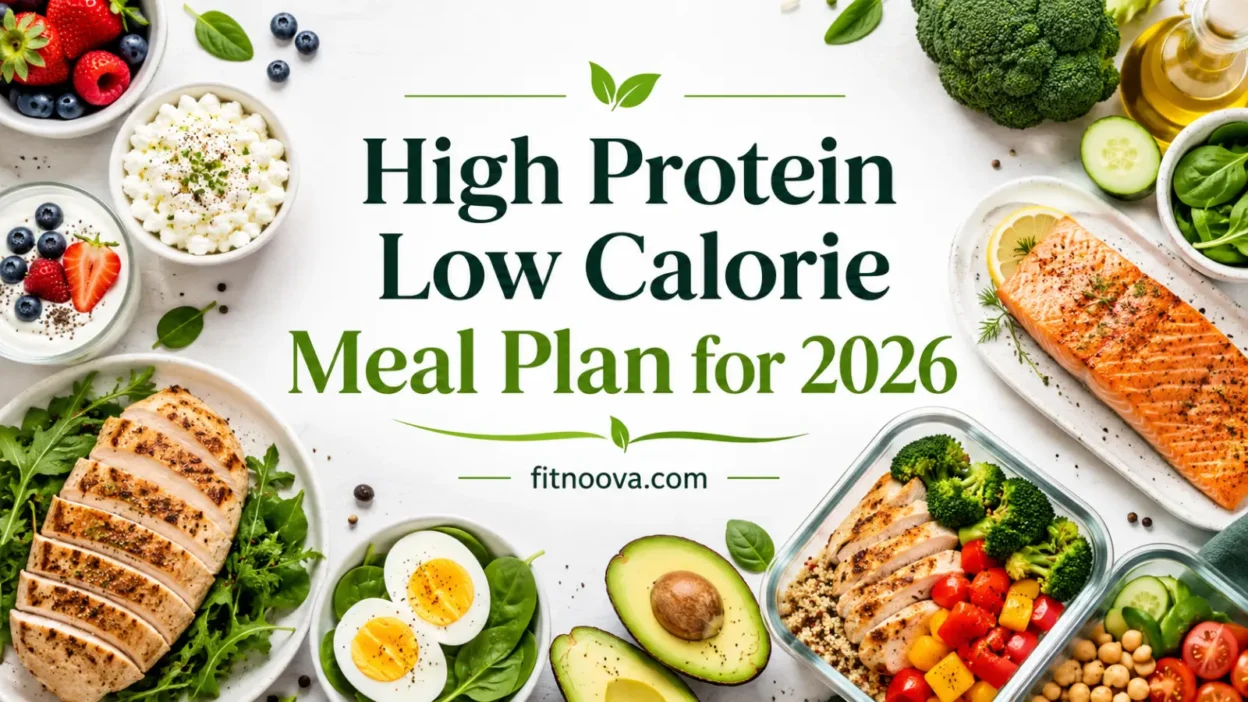
A high protein low calorie meal plan can help you build meals that feel satisfying without pushing calories too high. The goal is not to eat tiny portions or remove entire food groups. It is to choose lean protein, high-volume fruits and vegetables, smart carbohydrates, and enough healthy fat to keep meals balanced.
This guide gives you a practical 7-day plan, simple portion rules, meal prep ideas, and food swaps you can use even if you are busy, new to tracking calories, or trying to support weight loss in a sustainable way.
Quick Answer
A good high protein low calorie meal plan includes a source of lean protein at most meals, plenty of vegetables or fruit, moderate portions of high-fiber carbohydrates, and small amounts of healthy fats. For many adults, a realistic plan lands around 1,500 to 1,800 calories per day, but your needs may be higher or lower based on body size, activity, age, and health status.
Protein helps meals feel more filling, while a moderate calorie deficit can support gradual weight loss. The CDC notes that people who lose weight gradually, about 1 to 2 pounds per week, are more likely to keep it off than people who lose weight quickly.
What a High Protein Low Calorie Meal Plan Means
A high protein low calorie meal plan is built around foods that give you more protein per calorie. Think Greek yogurt, eggs, chicken breast, tuna, salmon, shrimp, turkey, tofu, tempeh, cottage cheese, lentils, beans, edamame, and protein-rich dairy or fortified soy options.
It should still include carbohydrates and fats. A low calorie meal plan that removes too much food variety can become hard to follow, low in fiber, and less enjoyable. Current healthy eating guidance emphasizes a pattern that includes vegetables, fruits, protein foods, dairy or fortified alternatives, healthy fats, and whole grains.
The best version of this plan is simple: enough protein to support fullness and muscle maintenance, enough produce to add volume and fiber, enough carbs to support energy, and enough flexibility to fit real life.
Who This Meal Plan Is Best For
This plan is a good fit for adults who want meals that are filling, structured, and weight-loss friendly without being extreme. It can work well for beginners, busy adults, people who meal prep, and people who want a clearer way to build balanced plates.
It may not be appropriate without medical guidance if you are pregnant, breastfeeding, under 18, recovering from an eating disorder, managing kidney disease, taking diabetes medication, or following a medical nutrition plan. If you have a health condition or need a specific calorie target, use this as general education and ask a qualified health professional for personal guidance.
How Much Protein Should You Aim For?
For healthy adults, the long-standing Recommended Dietary Allowance for protein is based on body weight, and many public nutrition tools use Dietary Reference Intake values from the National Academies. The FDA’s Daily Value for protein on food labels is 50 grams per day, but that number is a general label reference, not a personalized target.
For a high protein eating pattern, many active adults aim higher than the minimum. Sports nutrition guidance often places protein needs for exercising individuals around 1.2 to 2.0 grams per kilogram of body weight per day, depending on training, goals, and overall calorie intake.
For a beginner-friendly meal plan, a practical target is often:
- 25 to 35 grams of protein at breakfast
- 30 to 45 grams at lunch
- 30 to 45 grams at dinner
- 10 to 25 grams from one snack, if needed
That usually puts many people in the range of 100 to 140 grams per day. Smaller bodies, sedentary adults, and people eating fewer calories may need less. Larger, more active people may need more.
The Simple Plate Formula
Use this formula when you do not want to track every gram:
Half the plate: vegetables, salad, berries, melon, or other high-volume produce
One quarter of the plate: lean protein
One quarter of the plate: high-fiber carbohydrate
Add: a small amount of healthy fat or sauce for flavor
Examples:
- Grilled chicken, roasted vegetables, brown rice, and salsa yogurt sauce
- Turkey lettuce bowl with black beans, corn, avocado, and pico de gallo
- Egg white and whole egg scramble with spinach, potatoes, and fruit
- Tofu stir-fry with broccoli, mushrooms, edamame, and cauliflower rice
- Tuna cucumber salad with whole-grain crackers and a side of fruit
The American Heart Association recommends choosing a variety of protein sources, including beans, lentils, nuts, seeds, soy foods, fish, seafood, lean meats, and skinless poultry, while paying attention to saturated fat.
Best High Protein Low Calorie Foods
The easiest meal plan starts with foods that make protein simple.
Lean Animal Proteins
Chicken breast, turkey breast, tuna, cod, shrimp, lean ground turkey, egg whites, whole eggs, low-fat cottage cheese, plain Greek yogurt, and low-fat milk can all help raise protein without adding too many calories.
Whole eggs are not “bad,” but using a mix of whole eggs and egg whites can raise protein while keeping calories controlled.
Plant-Based Protein Options
Tofu, tempeh, edamame, lentils, chickpeas, black beans, split peas, seitan, soy milk, and high-protein plant yogurts can work well. Beans and lentils bring carbohydrates too, but they also add fiber, minerals, and fullness.
Plant proteins may be less protein-dense than chicken or fish, so plant-based meal plans often need slightly larger portions or a mix of protein sources.
High-Volume Produce
Vegetables and fruit help make meals larger without adding many calories. Good choices include leafy greens, cucumber, zucchini, broccoli, cauliflower, peppers, mushrooms, carrots, berries, apples, oranges, melon, and grapefruit.
Fruits and vegetables provide fiber and essential nutrients, and the CDC notes that adding more of them can support weight management without simply eating less food.
Smart Carbohydrates
A low calorie meal plan does not need to be low carb. Choose portions that fit your calorie needs: oats, potatoes, sweet potatoes, brown rice, quinoa, whole-grain bread, corn tortillas, beans, lentils, fruit, and whole-grain pasta.
Carbs are especially useful if you strength train, walk a lot, or feel low-energy on very low-carb plans.
Flavor Boosters That Keep Calories Reasonable
Use mustard, salsa, hot sauce, lemon juice, vinegar, herbs, spices, garlic, pickles, low-sugar marinades, light dressings, and Greek-yogurt-based sauces. These make meals more enjoyable without relying heavily on butter, cream, or large amounts of oil.
7-Day High Protein Low Calorie Meal Plan
This sample plan is designed for general healthy adults and lands roughly around 1,500 to 1,800 calories per day with about 110 to 140 grams of protein, depending on brands and portions. Adjust portions up or down based on your hunger, activity level, body size, and progress.
Day 1
Breakfast: Plain Greek yogurt bowl with berries, chia seeds, and a small serving of oats
Lunch: Grilled chicken salad with mixed greens, cucumber, tomatoes, chickpeas, and light vinaigrette
Snack: Cottage cheese with pineapple or berries
Dinner: Turkey taco bowl with lean ground turkey, cauliflower rice, black beans, salsa, lettuce, and a small amount of avocado
Day 2
Breakfast: Egg scramble with one whole egg, egg whites, spinach, mushrooms, and roasted potatoes
Lunch: Tuna cucumber wrap with a high-fiber tortilla, lettuce, tomato, and Greek-yogurt dressing
Snack: Protein smoothie with milk or soy milk, protein powder, frozen berries, and ice
Dinner: Salmon with roasted broccoli, carrots, and a small serving of quinoa
Day 3
Breakfast: Overnight oats made with Greek yogurt, protein powder, berries, and cinnamon
Lunch: Turkey burger bowl with lettuce, pickles, tomatoes, roasted potatoes, and mustard-yogurt sauce
Snack: Boiled eggs or edamame
Dinner: Chicken stir-fry with broccoli, peppers, mushrooms, soy-ginger sauce, and cauliflower rice or brown rice
Day 4
Breakfast: Cottage cheese bowl with sliced apple, cinnamon, and a few walnuts
Lunch: Shrimp rice bowl with cabbage slaw, cucumber, edamame, and spicy yogurt sauce
Snack: Greek yogurt or a low-sugar protein bar
Dinner: Lean beef or turkey chili with beans, tomatoes, peppers, and a side salad
Day 5
Breakfast: Egg white breakfast sandwich with one whole egg, turkey, spinach, and a whole-grain English muffin
Lunch: Chicken vegetable soup with white beans and a side of fruit
Snack: Carrots and cucumber with high-protein ranch dip made from Greek yogurt
Dinner: Baked cod with sweet potato, green beans, and lemon-herb yogurt sauce
Day 6
Breakfast: Protein pancakes made with oats, egg whites, cottage cheese, and berries
Lunch: Tofu or chicken lettuce cups with shredded vegetables, rice, and a light peanut-lime sauce
Snack: Cottage cheese, Greek yogurt, or roasted edamame
Dinner: Turkey meatballs with zucchini noodles, marinara, and a small serving of whole-grain pasta
Day 7
Breakfast: Greek yogurt parfait with berries, high-fiber cereal, and ground flaxseed
Lunch: Salmon or tuna salad plate with greens, boiled egg, cucumber, tomatoes, and whole-grain crackers
Snack: Protein shake or apple with powdered peanut butter dip
Dinner: Chicken fajita bowl with peppers, onions, lettuce, salsa, Greek yogurt, and a small serving of rice or beans
How To Adjust the Plan for Your Calories
A meal plan is only useful if it matches your body and schedule. Instead of cutting entire meals, adjust portions.
To lower calories slightly:
- Use cauliflower rice for half the grain portion.
- Choose nonfat or low-fat Greek yogurt instead of full-fat.
- Measure oils, nut butters, dressings, and cheese.
- Use extra vegetables to increase meal size.
- Choose leaner cuts of meat more often.
To raise calories while keeping protein high:
- Add an extra serving of rice, oats, potatoes, or whole-grain bread.
- Add olive oil, avocado, nuts, or seeds.
- Increase protein portions slightly.
- Add a second snack after workouts or long workdays.
For weight loss, the calorie deficit should be moderate. A plan that leaves you exhausted, distracted by food, or unable to train well is probably too aggressive.
High Protein Low Calorie Meal Prep Plan
Meal prep works best when you prepare ingredients, not seven identical meals.
Cook 2 Proteins
Pick two:
- Chicken breast or thighs with visible fat trimmed
- Lean ground turkey
- Salmon, cod, or shrimp
- Tofu or tempeh
- Hard-boiled eggs
- Turkey meatballs
- Greek-yogurt chicken salad
Prep 2 Carbs
Pick two:
- Brown rice
- Quinoa
- Potatoes
- Sweet potatoes
- Oats
- Whole-grain pasta
- Beans or lentils
Prep 3 Vegetables
Pick three:
- Roasted broccoli
- Bell peppers and onions
- Salad greens
- Cucumbers and tomatoes
- Zucchini noodles
- Cauliflower rice
- Cabbage slaw
Make 2 Sauces
Try:
- Greek yogurt, lemon, garlic, dill, salt, and pepper
- Salsa mixed with Greek yogurt
- Mustard, vinegar, honey, and black pepper
- Soy sauce, ginger, garlic, lime, and a small amount of sesame oil
This gives you enough variety to build bowls, wraps, salads, soups, and plates without starting from scratch every day.
Grocery List for a High Protein Low Calorie Meal Plan
Protein
Chicken breast, lean turkey, eggs, egg whites, tuna, salmon, shrimp, cod, Greek yogurt, cottage cheese, tofu, tempeh, edamame, lentils, black beans, and protein powder if useful.
Produce
Spinach, romaine, broccoli, cauliflower, zucchini, mushrooms, peppers, onions, cucumbers, tomatoes, carrots, cabbage, berries, apples, oranges, melon, and lemons.
Carbohydrates
Oats, potatoes, sweet potatoes, brown rice, quinoa, whole-grain bread, high-fiber tortillas, beans, lentils, and whole-grain pasta.
Fats and Flavor
Avocado, olive oil, nuts, seeds, salsa, mustard, hot sauce, vinegar, pickles, herbs, spices, low-sugar marinades, and light dressings.
Common Mistakes To Avoid
Cutting Calories Too Low
A very low calorie plan may look effective on paper, but it can increase hunger, reduce training energy, and make consistency harder. If you are constantly tired, cold, irritable, dizzy, or thinking about food all day, your plan may be too restrictive.
Eating Protein but Skipping Fiber
A chicken-and-shakes approach can hit protein goals but still miss the point. Fiber-rich foods such as vegetables, fruit, beans, lentils, and whole grains help meals feel complete. The FDA lists 28 grams as the Daily Value for fiber on Nutrition Facts labels, which can be a useful reference point when comparing foods.
Forgetting About Sodium, Added Sugar, and Saturated Fat
High protein packaged foods are not automatically better. Some protein bars, shakes, frozen meals, and deli meats can be high in sodium, added sugar, or saturated fat. The Nutrition Facts label can help you compare products, especially for sodium, saturated fat, added sugars, fiber, and protein.
Relying Only on Protein Powder
Protein powder can be convenient, but it should not replace most whole foods. A better approach is to use it when it solves a real problem, such as a rushed breakfast or a low-protein snack.
Making Every Meal Too Plain
A meal plan that tastes boring usually fails. Use sauces, spices, herbs, citrus, pickled vegetables, salsa, and texture. A lower calorie plan does not need to feel like punishment.
FAQ
Can you lose weight on a high protein low calorie meal plan?
Yes, if the plan creates a consistent calorie deficit while still giving you enough protein, fiber, and overall nutrition. Protein can help meals feel more satisfying, but calories still matter. A steady, moderate approach is usually easier to maintain than an aggressive short-term cut.
How many calories should a high protein low calorie meal plan have?
Many sample plans use 1,500 to 1,800 calories per day, but that is not right for everyone. Smaller, less active adults may need less, while taller people, active adults, and people who strength train may need more. Your best target is one that supports gradual progress without constant hunger or low energy.
Is 100 grams of protein a day enough?
For many adults, 100 grams can be a solid high-protein target, especially in a calorie-controlled plan. Some people need less, and some need more based on body size, activity level, and goals. A practical approach is to spread protein across meals rather than trying to eat most of it at dinner.
Can this meal plan work without meat?
Yes. Use tofu, tempeh, edamame, lentils, beans, Greek yogurt, cottage cheese, eggs, soy milk, seitan, and protein powder if needed. Vegetarian and plant-forward plans may require more planning because some plant proteins come with more carbohydrates or fat, but they can still fit a high protein low calorie structure.
Are carbs allowed on a high protein low calorie meal plan?
Yes. Carbs can fit well, especially from potatoes, oats, fruit, beans, lentils, rice, quinoa, and whole grains. The key is portion size and food quality, not removing carbs entirely.
What is the easiest high protein low calorie breakfast?
Greek yogurt with berries, egg whites with one whole egg, cottage cheese with fruit, or overnight oats made with Greek yogurt are all simple options. The best breakfast is one you can repeat, enjoy, and digest well.
Conclusion
A high protein low calorie meal plan works best when it is simple, filling, and flexible. Build each meal around lean protein, add vegetables or fruit for volume, include smart carbs for energy, and use enough healthy fat and flavor to make the plan sustainable.
The goal is not to eat perfectly. The goal is to make your usual meals easier to repeat, easier to enjoy, and better aligned with your health and fitness goals.